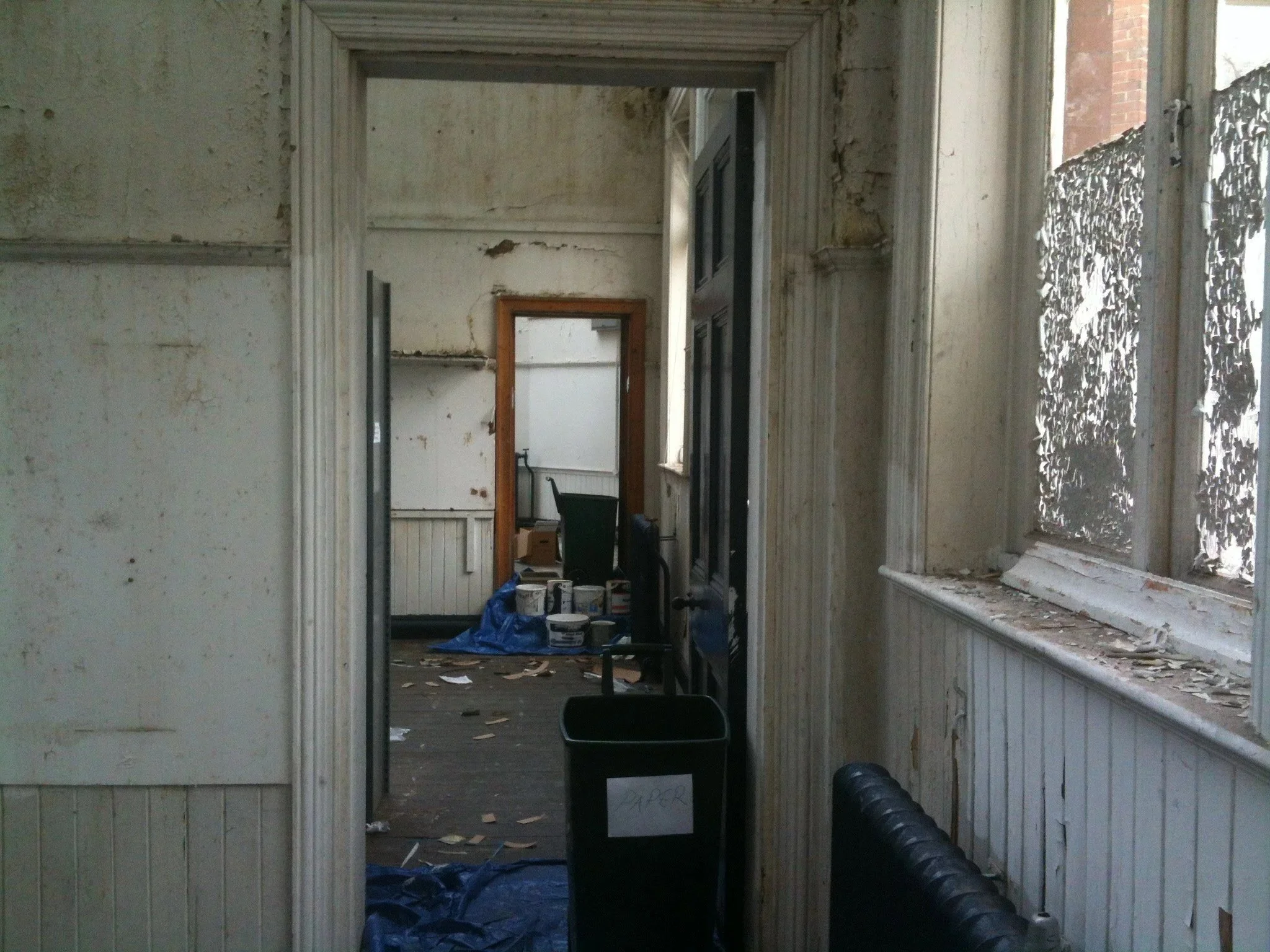
Think Tank before renovation (2011). Photo by Robert Pacitti.
RENOVATION
(2010 - 2012)
Site specific • Access • Heritage • CommunityIn 2010, Robert Pacitti was searching for a new home in Ipswich for Pacitti Company. One of the buildings he spotted - simply by walking the streets and peering through windows - was the rather unloved Victorian Wing of Ipswich Museum, formerly the town’s art school. It was tired and clearly falling into disrepair, but a chance encounter with a friend who worked next door led to a key, a spontaneous tour, and the beginning of something special.
Inside, the building was a patchwork of interlinking rooms, with holes in the roof, water running down the walls, peeling paint on almost every surface, and floorboards that looked more than a little questionable. Even in that state, Pacitti could immediately imagine its potential. He began listing all the things they could do if they secured the building - ideas that would later become the foundation of the Think Tank’s first decade.
Nine months later, following generous partnership and support from Ipswich Borough Council and the Ipswich Museum Service, Pacitti Company moved into the newly refurbished Victorian Wing. The stripped-back, functional and carefully considered renovation was led by project manager Andy Brumwell, working with Mark Hunter and Graham Hornsby from Ipswich Borough Council and Jayne Austin from the Colchester & Ipswich Museum Service. Their commitment made the project possible.
The Think Tank opened in October 2012 as an accessible, welcoming building dedicated to the public exploration of live performance and related fields. Its three Victorian classrooms were re-imagined for 21st-century use as creative spaces where artists, specialists and the public could come together. A rolling programme of friendly, inclusive events invited visitors to spend time, learn, make and think in comfort.
During the ten years Robert served as curator and artistic director, the Think Tank became many things at once. It hosted Pacitti Company’s public learning programme, housed its office operations and served as the core of its research activity. It was Robert’s studio and an incubator for artist residencies, while also developing into a go-to venue for alternative live performances, gigs, exhibitions, club nights and parties.
During SPILL Festival, the Think Tank became a venue, box office and meeting point. To help sustain the building, it was also hired out for events, meetings and celebrations, and used as a location for film and television shoots.
ROOM 1
Room 1 became the company base: a flexible, mixed-use space with staff desks, a meeting area and a small studio tucked inside a shed. From here, Pacitti Company ran its day-to-day operations, organised the Think Tank’s public programme, and led the planning and delivery of SPILL Festival.
ROOM 2
Room 2 became the Think Tank’s main public gathering space - a place for people to meet, share ideas and spend time together. Movable tables allowed the room to shift easily between different configurations, from classroom-style learning to boardroom discussions.
Most often, the space was arranged around a central table configuration, bringing people together over food, conversation and collaborative thinking. A wall-mounted smart TV and surround-sound system allowed moving-image work to be shared, virtual meetings to take place and even online dinners to be hosted. The room could accommodate up to 35 people eating together at one time.
ROOM 3
Room 3 was a space for making, experimenting and sharing - an incubator, event space and temporary gallery. Painted white and kept intentionally clear, it provided a flexible environment for performance makers, sound artists, filmmakers, installation artists and others to experiment, create and explore ideas.
The emphasis was on giving artists the time and space they needed for research and investigation, placing value on process rather than pushing towards a finished product. Established and early makers were welcomed, including local artists and visiting contributors from further afield.
Wherever possible, artists working in Room 3 were invited to share aspects of their practice with the public through informal showings, conversations and artists’ talks, creating a gentle bridge between experimentation and audience engagement.
The space also doubled as a research and creative workspace for Pacitti Company.
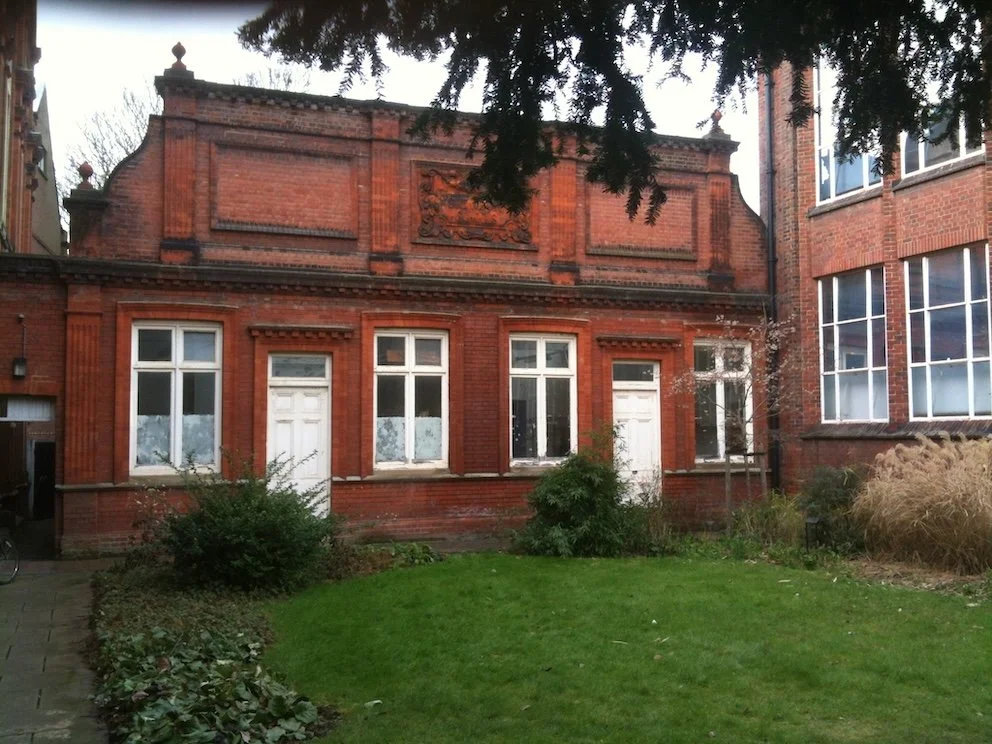
Think Tank, pre-renovation (2011). Photo by Robert Pacitti.
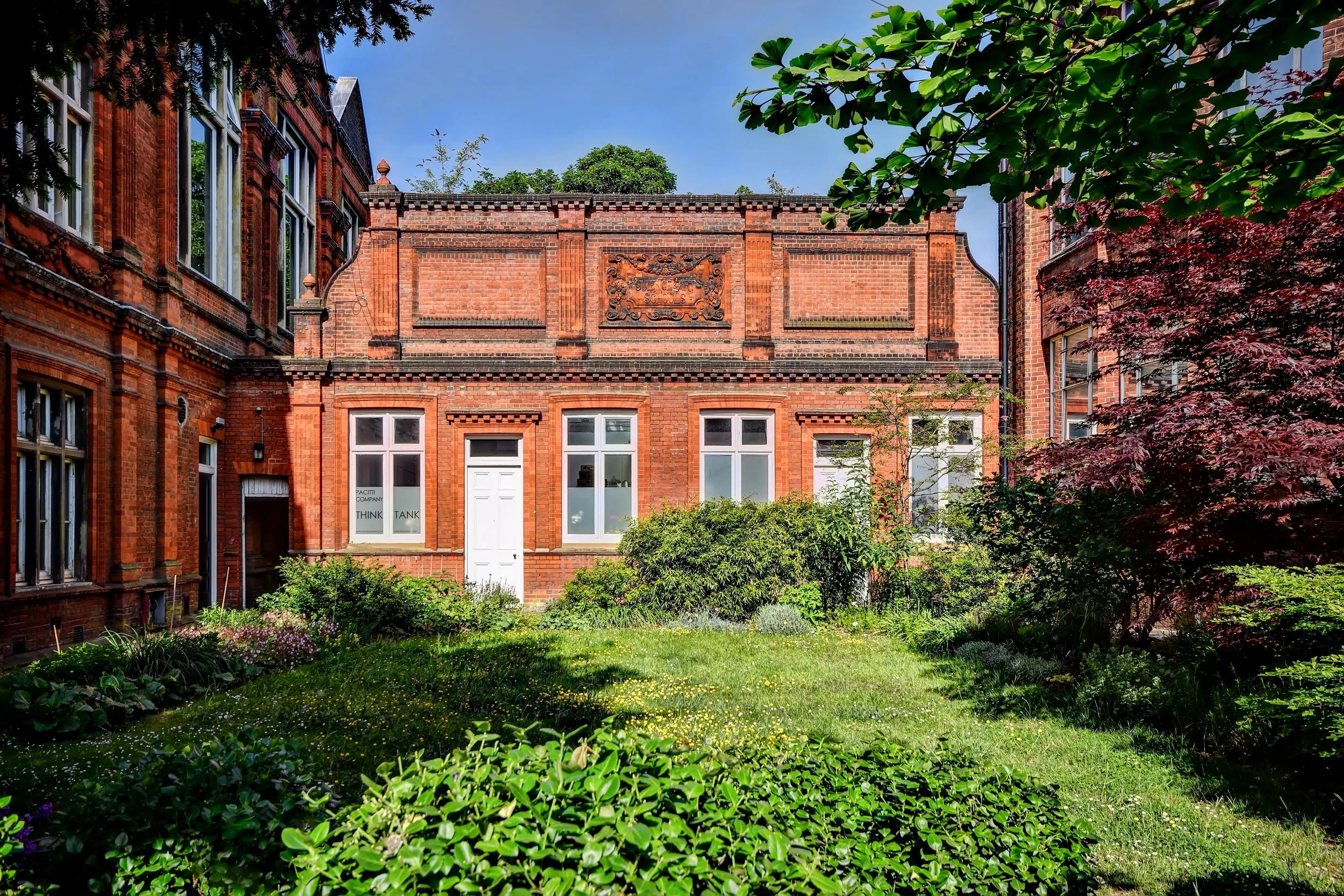
Think Tank, renovated (2012). Photo by Carl Lamb.
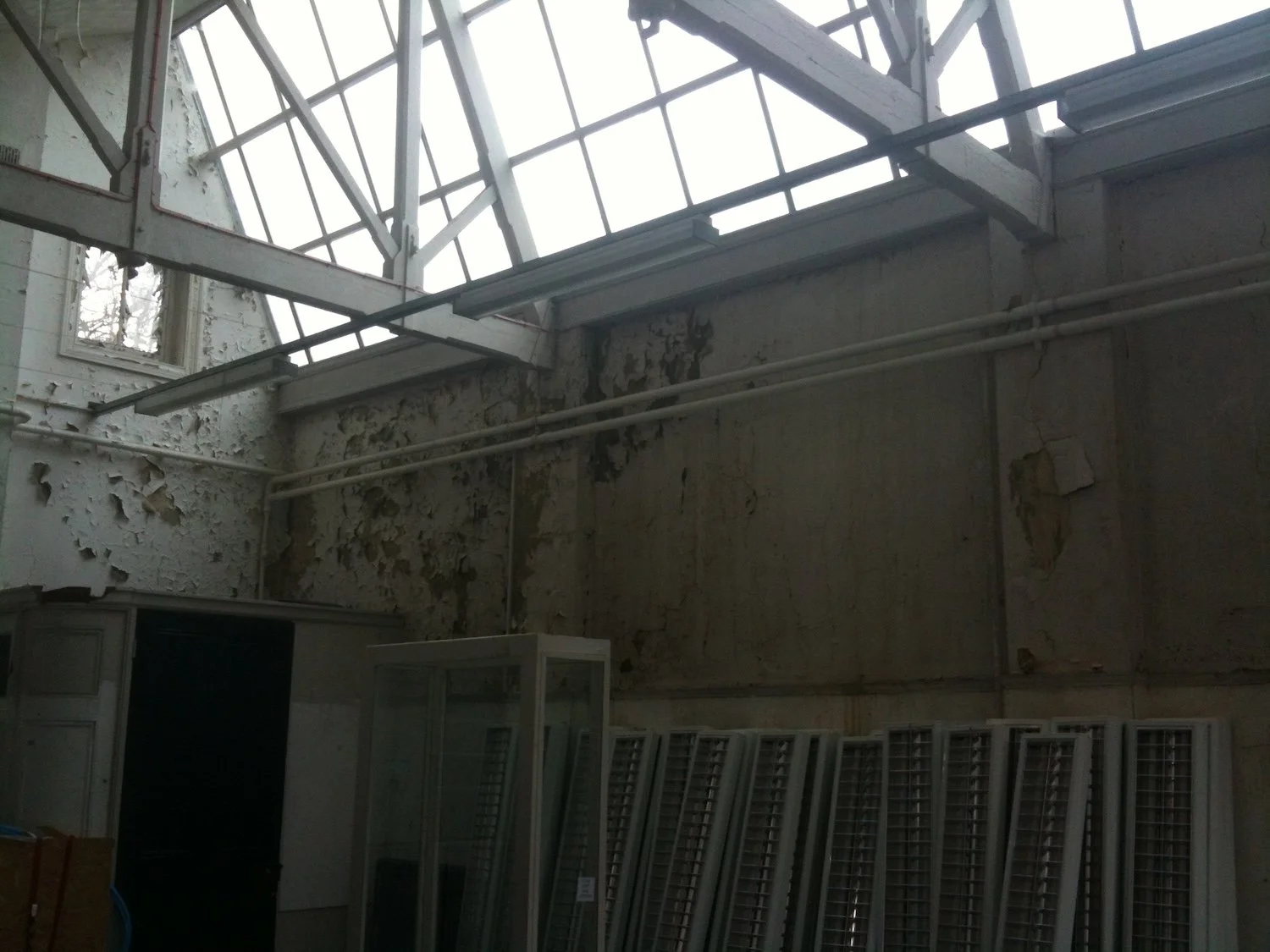
Room 1, pre-renovation (2011). Photo by Robert Pacitti.
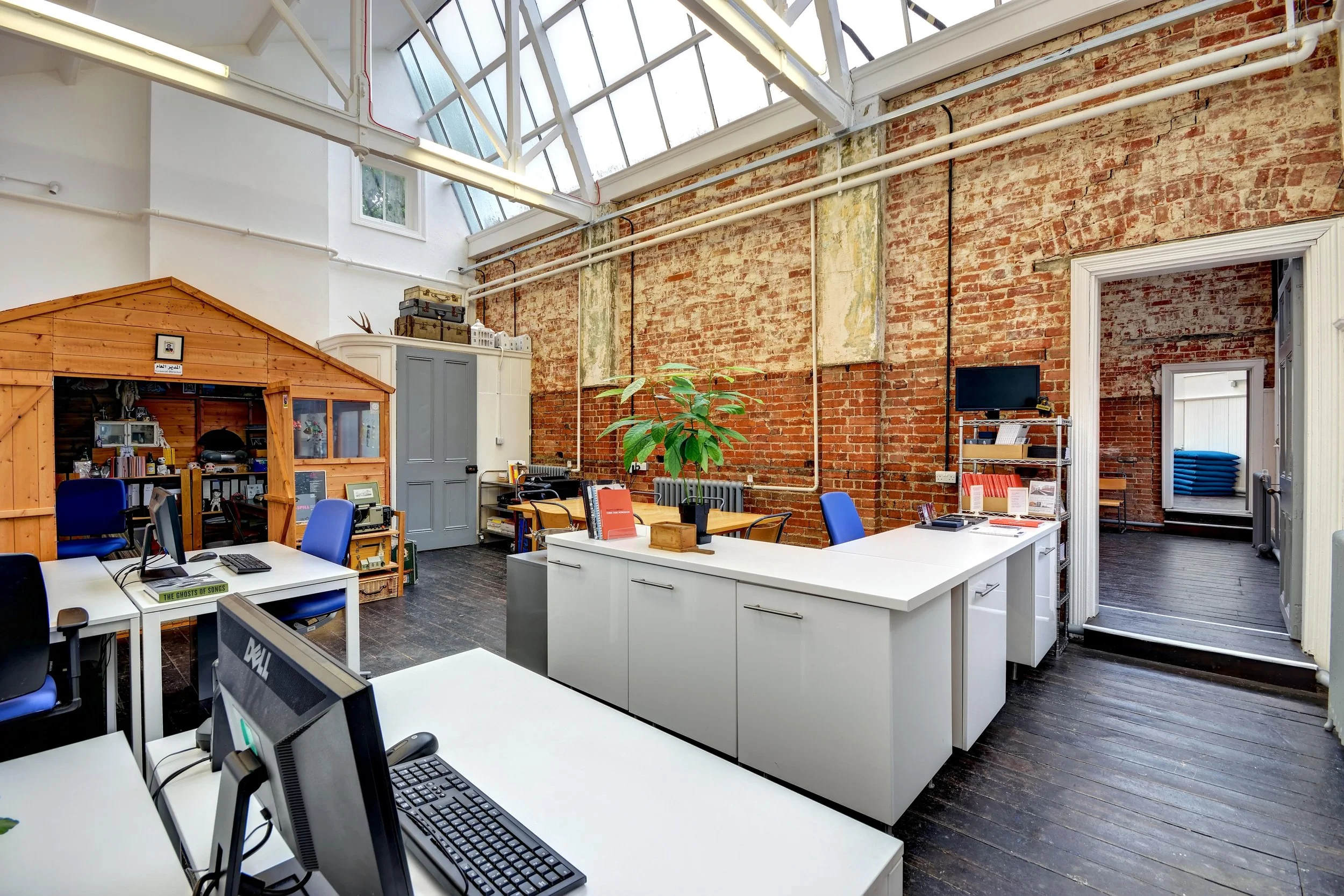
Room 1, renovated (2012). Photo by Carl Lamb.
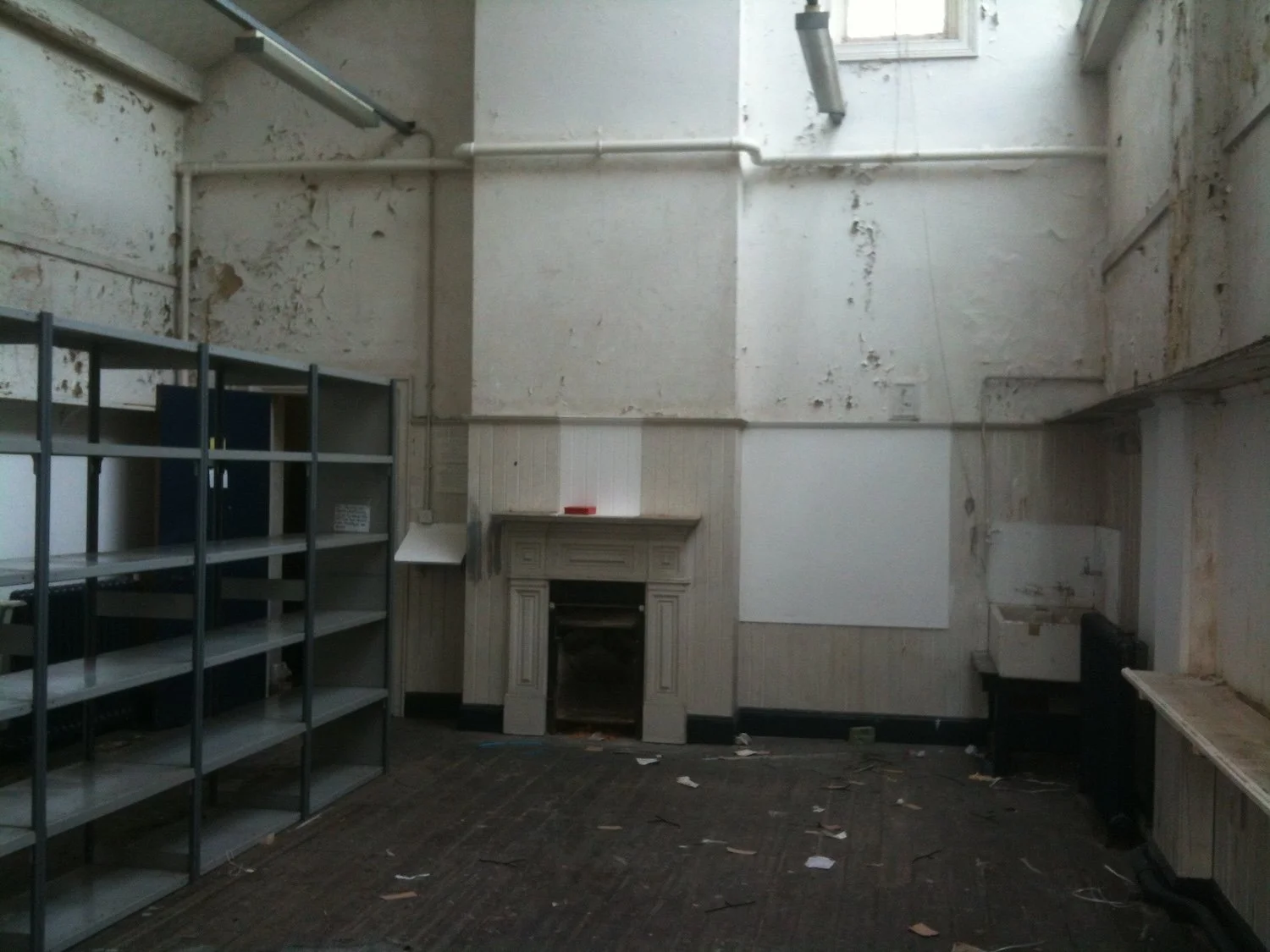
Room 2, pre-renovation (2011). Photo by Robert Pacitti.
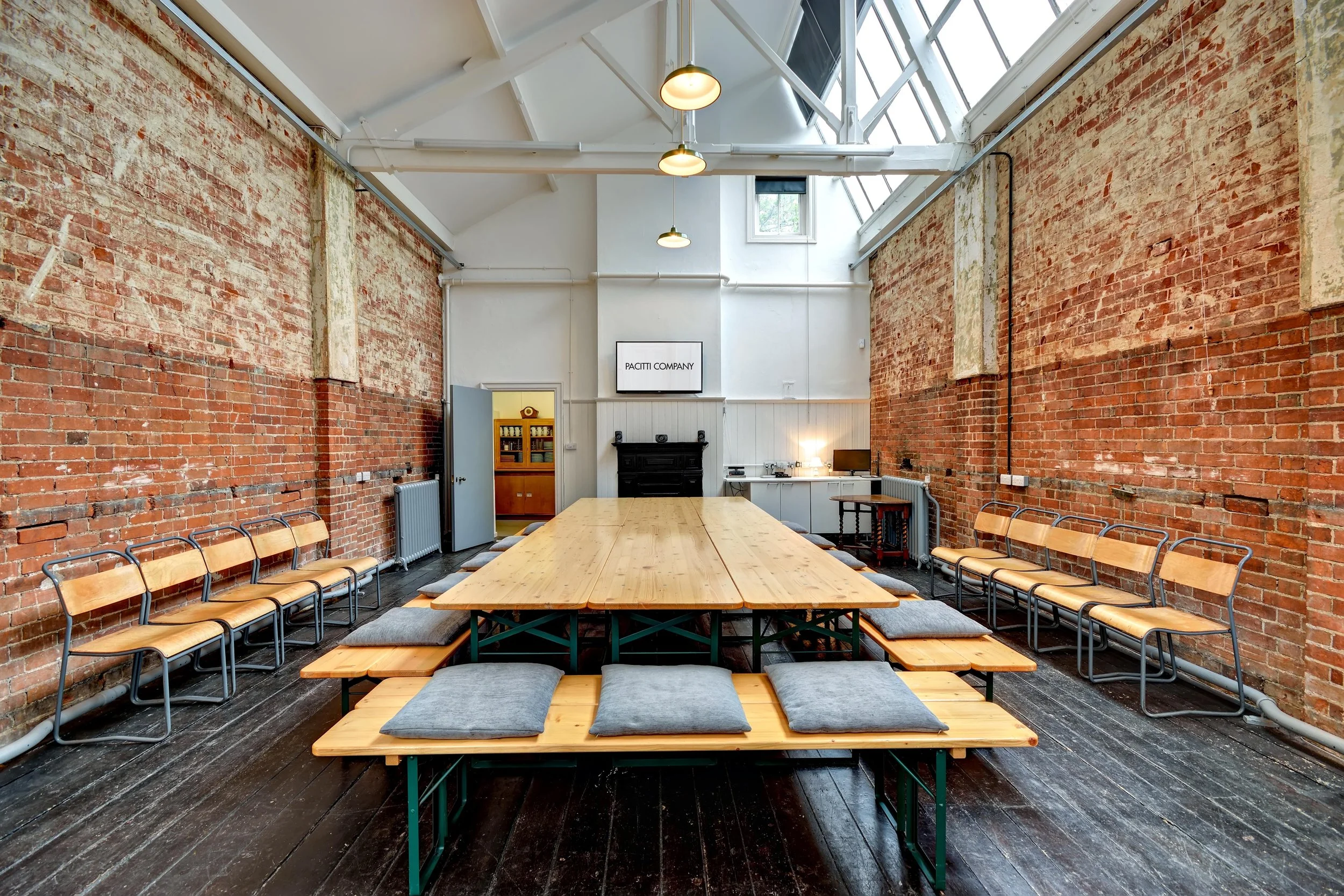
Room 2, renovated (2012). Photo by Carl Lamb.
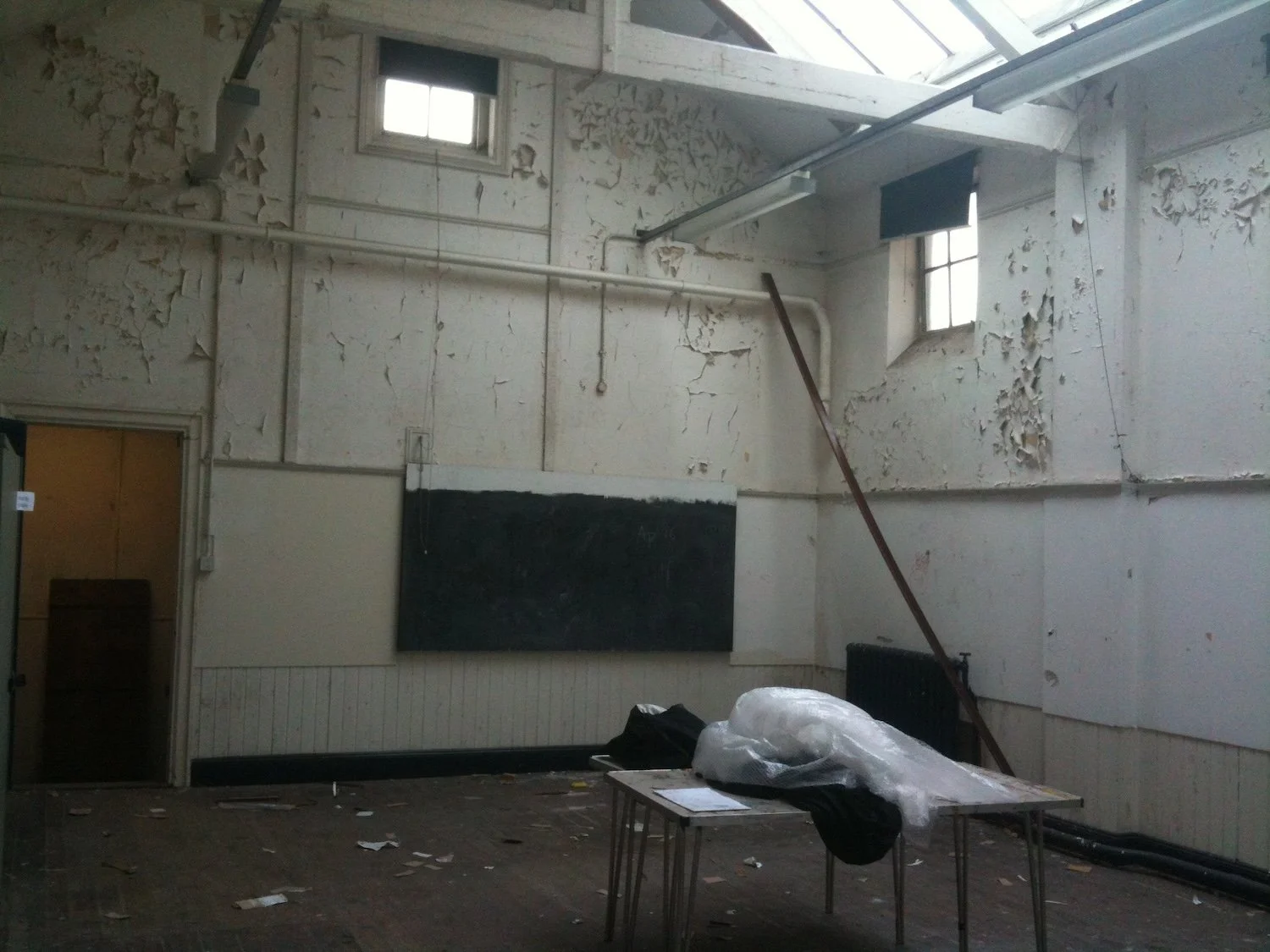
Room 3, pre-renovation (2011). Photo by Robert Pacitti.
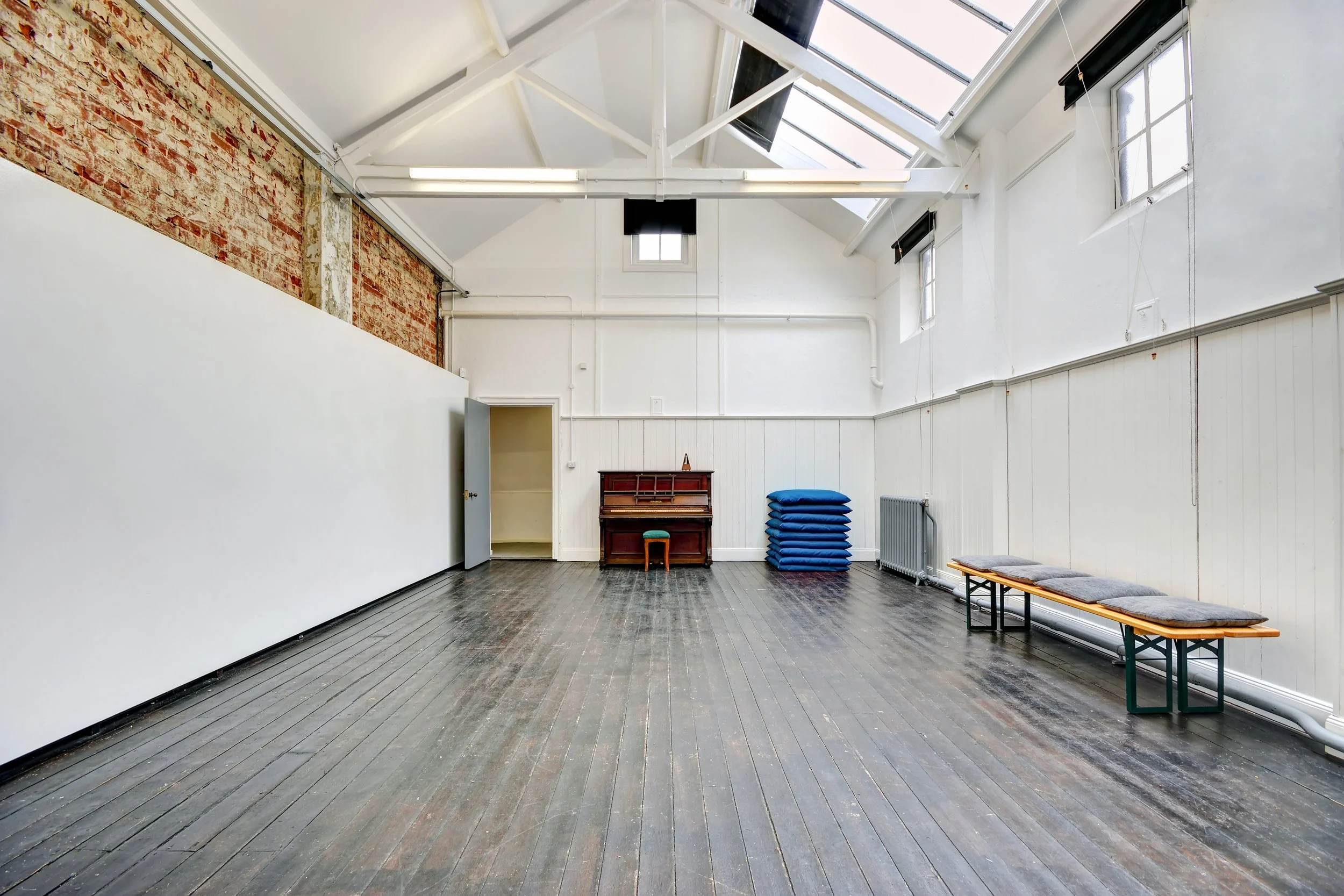
Room 3, renovated (2012). Photo by Carl Lamb.
CREDITS
Opening date: September 2012
Place: The Victorian Wing, Ipswich Museum, UK
Concept and direction: Robert Pacitti
Project Manager: Andy Brumwell
Producer: Pacitti Company
Project partners: Ipswich Borough Council, Colchester & Ipswich Museum Service, Pacitti Company
Special thanks to: Billy Brennan, Bryony Rudkin, Cad Taylor, Colchester & Ipswich Museum Service, Graham Hornsby, Ipswich Borough Council, Jayne Austin, Jen Walke, Jules Devonshire, Mark Hunter, and Mike Challis.