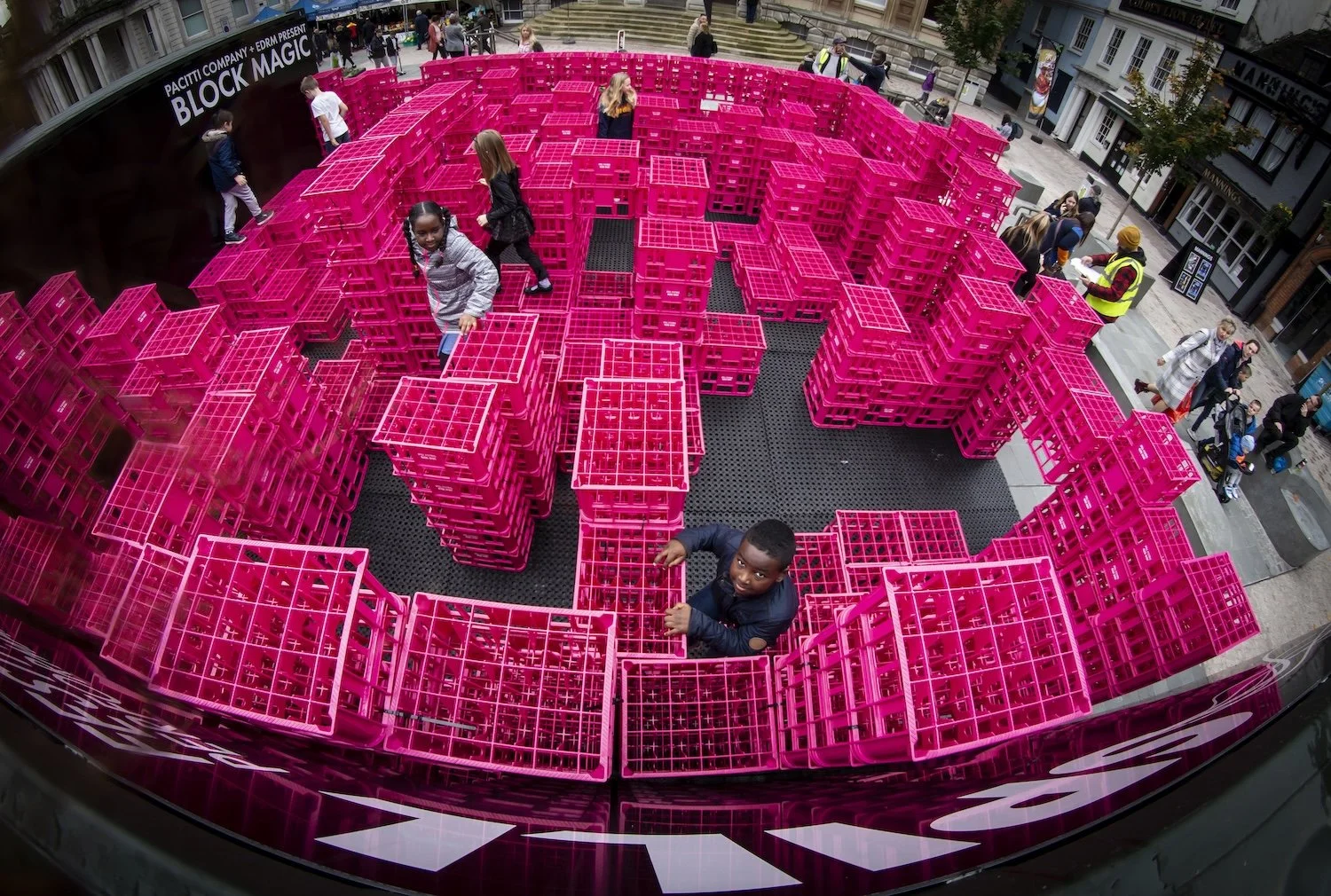
Block Magic (2018), photo by Gillian Allard
BLOCK MAGIC
(2018)
Outdoors • Children • Architecture • PlayBlock Magic was a free outdoor playground made from brightly coloured crates, where children could design and build their own play spaces. Using bespoke software, kids created digital playgrounds that were then constructed as real, physical structures. The modular designs evolved throughout each day the work was live, creating a constantly shifting landscape to play in, on and around.
Developed in collaboration with architectural practice EDRM, Block Magic combined adventure with efficiency, being designed for easy build, use, and storage. Custom software, designed by Jared Tilston and loaded onto handheld tablets, enabled children to design the spaces they wanted to bring to life. Seven hundred and fifty custom-made crates sat atop a shock-absorbent, all-weather play floor, framed by two 20-foot shipping containers that acted as windbreaks and doubled as storage between play sessions.
At its heart, Block Magic put children in charge. It encouraged teamwork, creativity, and confidence, giving young people real agency over their environment. By designing and constructing together, they shaped not only the playground, but also their own sense of collaboration and ownership.
RESEARCH & ETHICAL FRAMEWORK
A few years before creating Block Magic, Robert began to wonder what a truly child-led future playground might look like - one where the only limits were children’s imaginations. In collaboration with architects Ellie deGory and Richard MacRae (EDRM), a research strand evolved under the umbrella title of Junkyard, thinking about radical play spaces, research into UK play provision, and the work of a range of inspiring play experts worldwide.
In her 2014 essay titled ‘On Playwork & Radical Humility’, Canadian playworker Morgan Leichter-Saxby writes of this type of work:
‘The actual doing of playwork - the lifting and cleaning and watching and wrestling and reflecting - all of this can certainly inspire humility. We choose to face our fears, attend deliberately to our discomforts. In the process we may learn unexpected truths about ourselves. That may feel rewarding, but is never the point. In playwork, we are never the point. Instead, our goal is to be available if wanted, to work invisibly if we can and to respond with as much presence and levity as we can muster. Supporting children’s play reminds us daily to take our work seriously but ourselves not seriously at all.’
Junkyard unfolded as a series of investigations exploring what a child-led ethical framework for future play space might look like. Recognising that children and young people may not yet have access to the language or concepts to discuss ethics directly, the team ensured that all research tools used were relevant, accessible, and grounded in language kids understand. This included making sure participants could exercise their right to have a say in decisions that affect their lives, in ways that foregrounded their full agency.
The National Children’s Bureau Research Centre’s Guidelines for Research with Children and Young People, by Catherine Shaw, Louca-Mai Brady and Ciara Davey (2011), was very informative to this end. The process was further informed by Play England’s Quality in Play - Standards, Assessment Indicators and Evidence manual, which aided thinking on how findings from work with children could be gathered and applied.
In time, a first public Junkyard experiment was ready to be developed, within a framework that centred the thoughts of children and young people meaningfully - a crate-based installation designed by kids: Block Magic.
COLLABORATION & REALISATION
From seed idea to live project, EDRM’s expertise in design, form, manufacturing and materials was vital to the development of Block Magic. Their engagement and formal structure research was essential to creating an adventurous, meaningful, safe, robust project, which genuinely handed creative control to children.
“Block Magic grew out of a series of conversations between Pacitti Company and EDRM that started with nostalgia for the unsupervised junkyard playgrounds of the 1970s. We reflected on the often sanitised and virtual play spaces on offer to today’s children, and this led to a series of propositions arising from a desire for children to reclaim and invent urban spaces for play. Crates are a basic form of ready-made building block - lightweight and easy to join together with cable ties - allowing relatively quick and easy construction and transformation of forms.”
- Ellie DeGory, EDRM
CONSULTATION & CO-DESIGN
With an operating framework in place and stacking crates as a formal frontrunner, it was time for some field work, to ensure that children were actively involved in creating Block Magic. Before locking in the modular crate design, kids were asked for their opinions. Several in-person consultation sessions were held at local schools, using LEGO bricks to explore how children imagined the crates could work. As they built castles, stairways, boats, towers, and abstract forms, they shared their thoughts - some spaces were designed just for kids, while others deliberately kept adults separate.
Bespoke Block Magic software, created by developer Jared Tilston, enabled children and young people to design their own play structures with ease. Pacitti Company made a free teacher’s pack so that the software could be used in classroom settings. In response to the question “What play space do you want?”, children were encouraged to be as imaginative as possible - always reminded that this was a kids-only space.
The simple, intuitive software allowed users to click and stack red blocks on any Android or iOS device - adding, moving, or removing them freely to create their ideal play structure. Once happy with their design, children could simply click SAVE, enter their name and age, and receive a message:
‘Your design has been sent and is on its next steps to being built.’
Pacitti Company’s technical team then received and collated the designs, selecting a range of ambitious yet achievable creations to be constructed block by block during live Block Magic events.
PRESENTATIONS & IMPACT
Created for SPILL Festival 2018, Block Magic’s first showing took place on Ipswich Waterfront across the festival’s 11 days, reaching many thousands of people. Each day the work was shown, three new play designs were built. Children returning on later days discovered fresh spaces to explore and reimagine.
A year later, the work was presented again - this time prominently on Ipswich Cornhill, the town’s main square, during the October half term. Here it formed part of a trilogy of Pacitti Company projects, alongside The Pyre Parade and The Ipswich Biscuit. Once again, it proved a huge hit, attracting thousands of children.
Block Magic was free - there was no charge to play.
Beyond the festival, the crates and flooring were donated to two schools in deprived areas of Ipswich, along with the Block Magic software, allowing children to continue designing and building.
Over the following year, this process of rolling activity afforded an ongoing light-touch consultation with local children, informing ideas for a future permanent playground in Ipswich. Although that playground was not realised before Robert concluded Pacitti Company, significant research and development was undertaken, which now forms part of Robert’s archive.

Block Magic (2018) on Ipswich Waterfront (2018), photo by Guido Mencari.
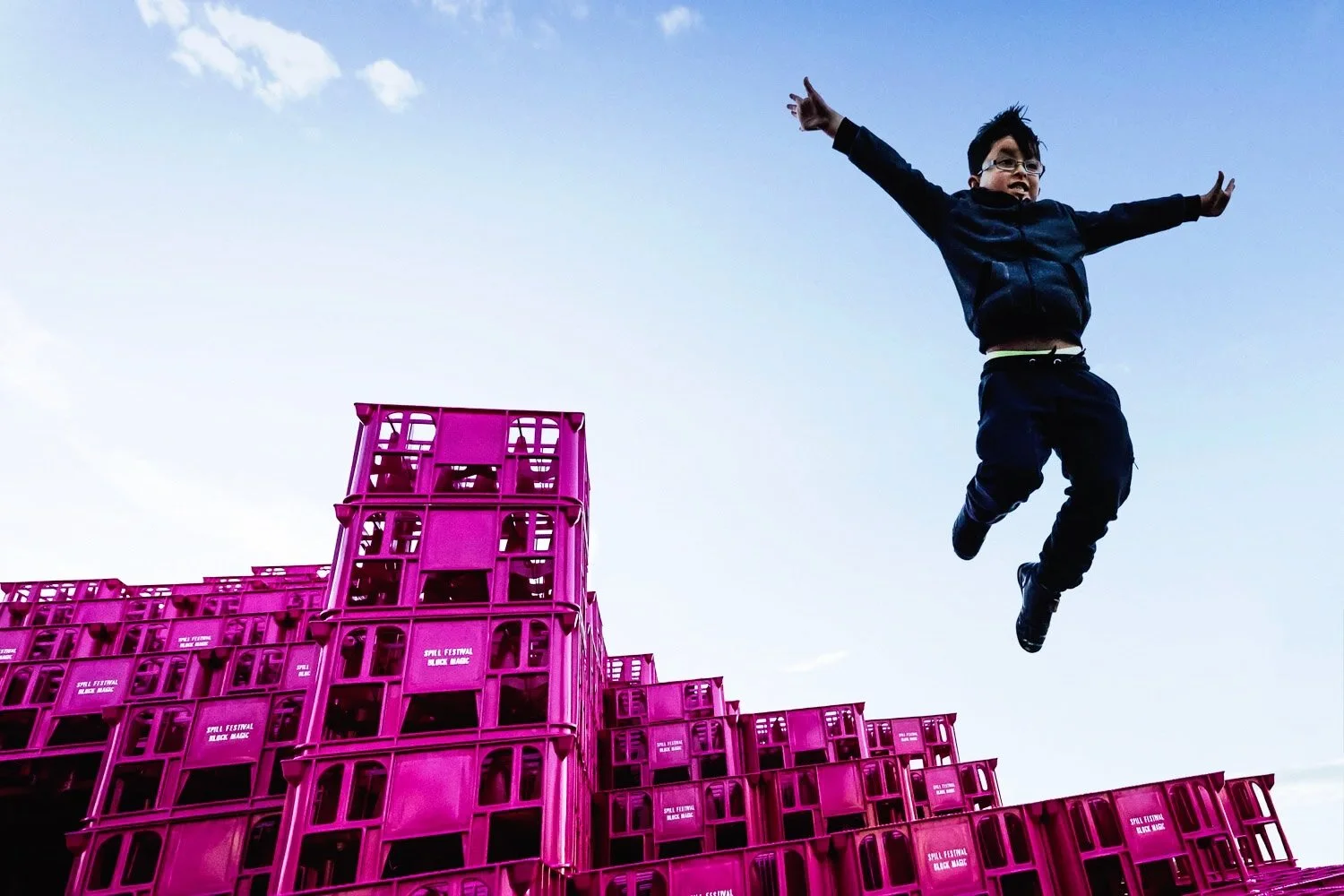
Block Magic (2018) on Ipswich Waterfront (2018), photo by Guido Mencari.
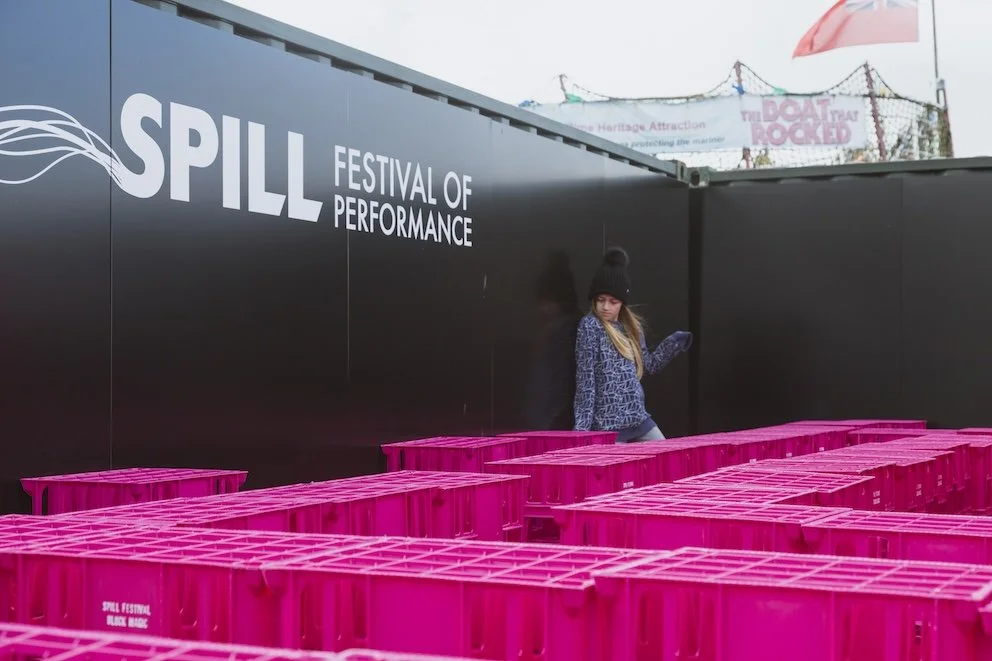
Block Magic (2018) on Ipswich Waterfront (2018), photo by Christa Holka.
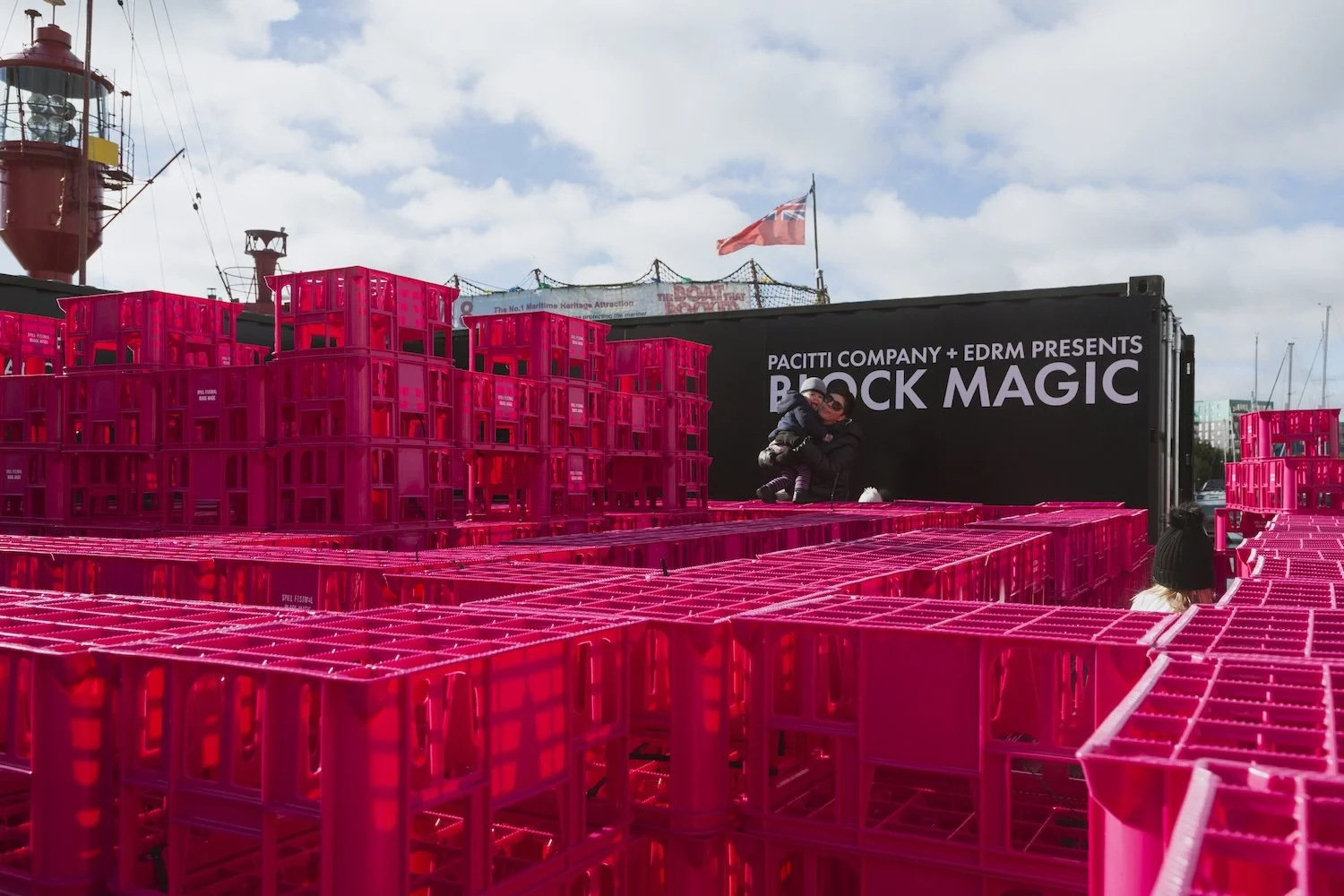
Block Magic (2018) on Ipswich Waterfront (2018), photo by Christa Holka.
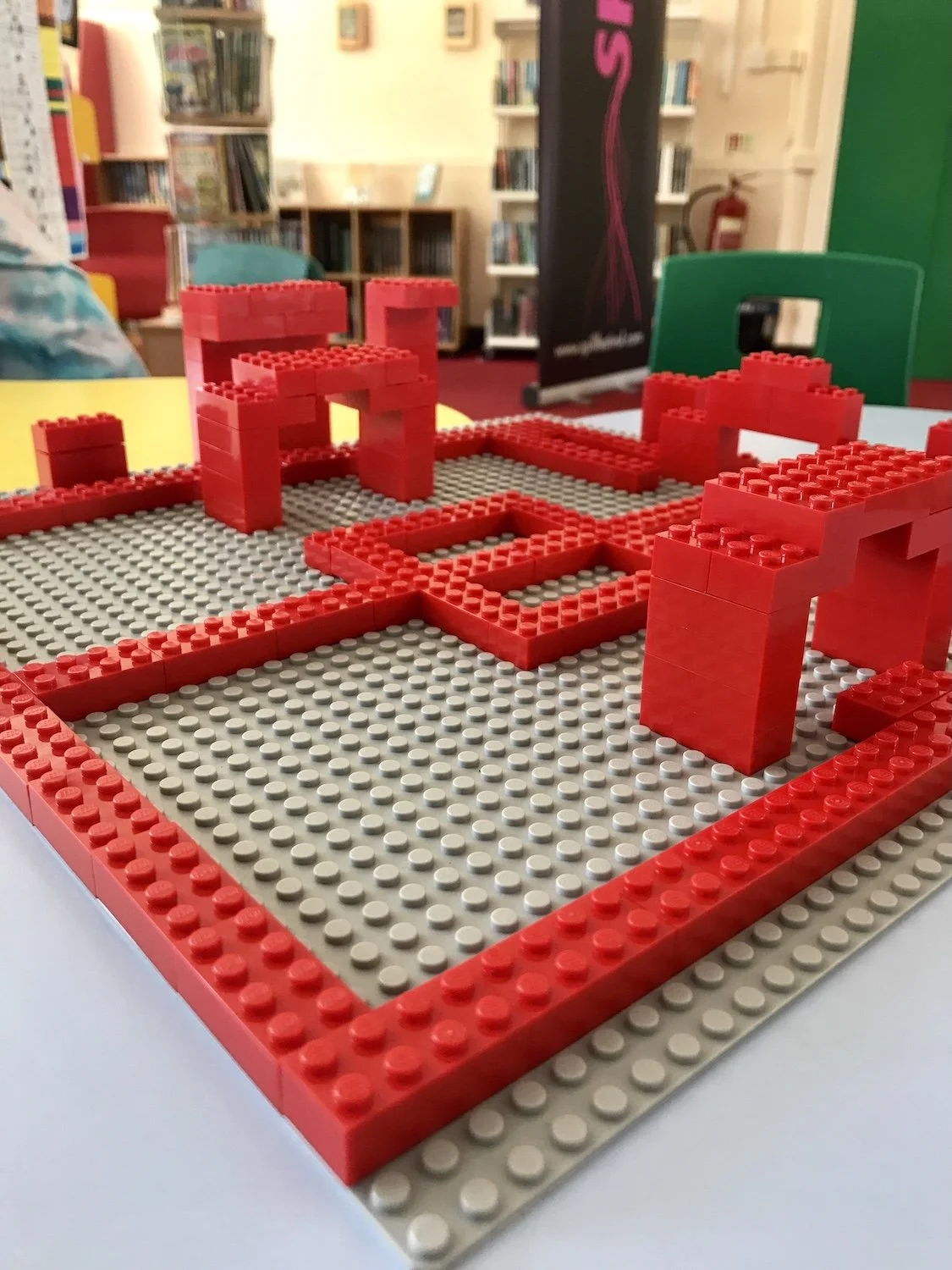
Block Magic (2018) development with kids, Sidegate Lane School, Ipswich.
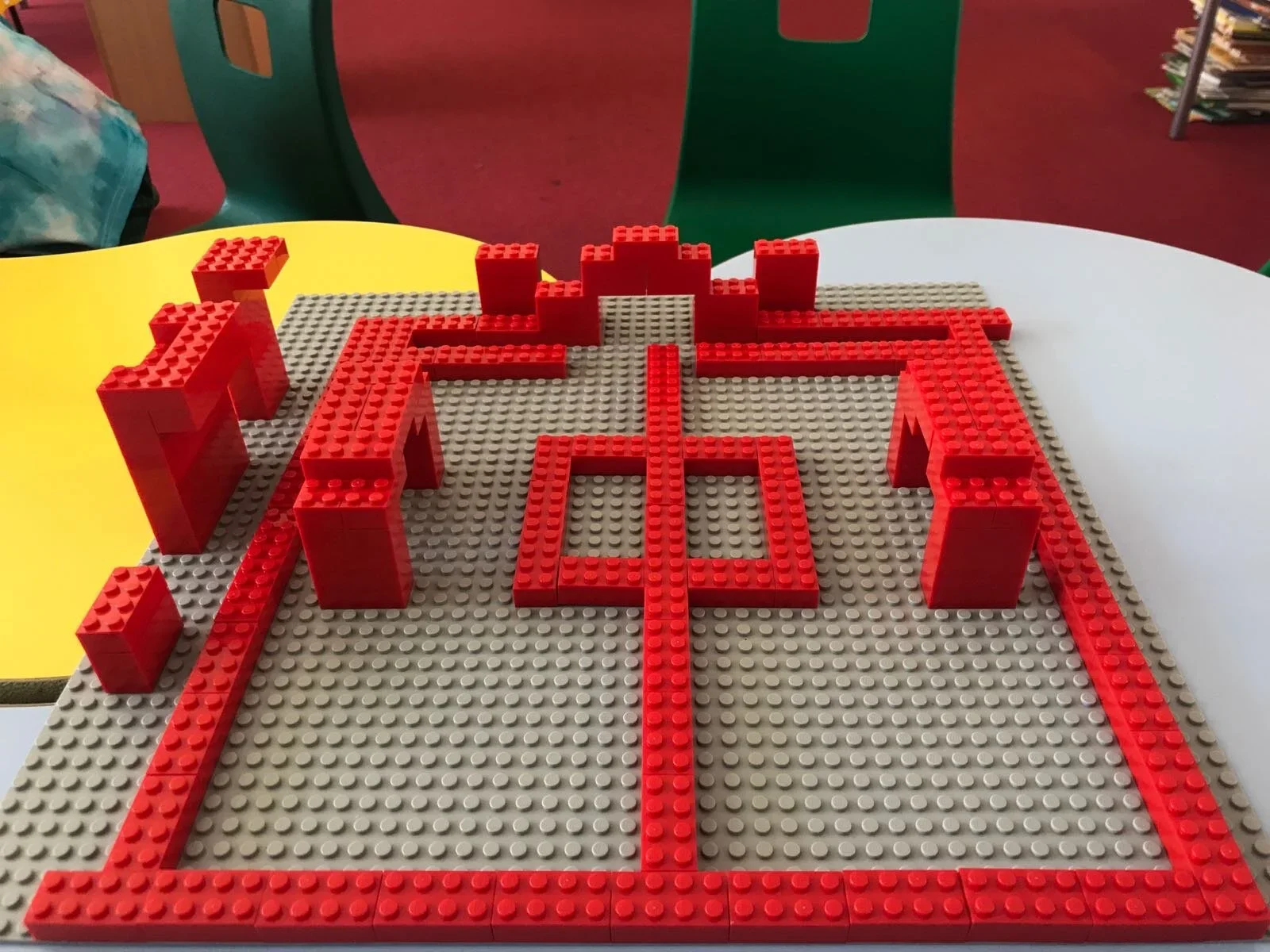
Block Magic (2018) development with kids, Sidegate Lane School, Ipswich.
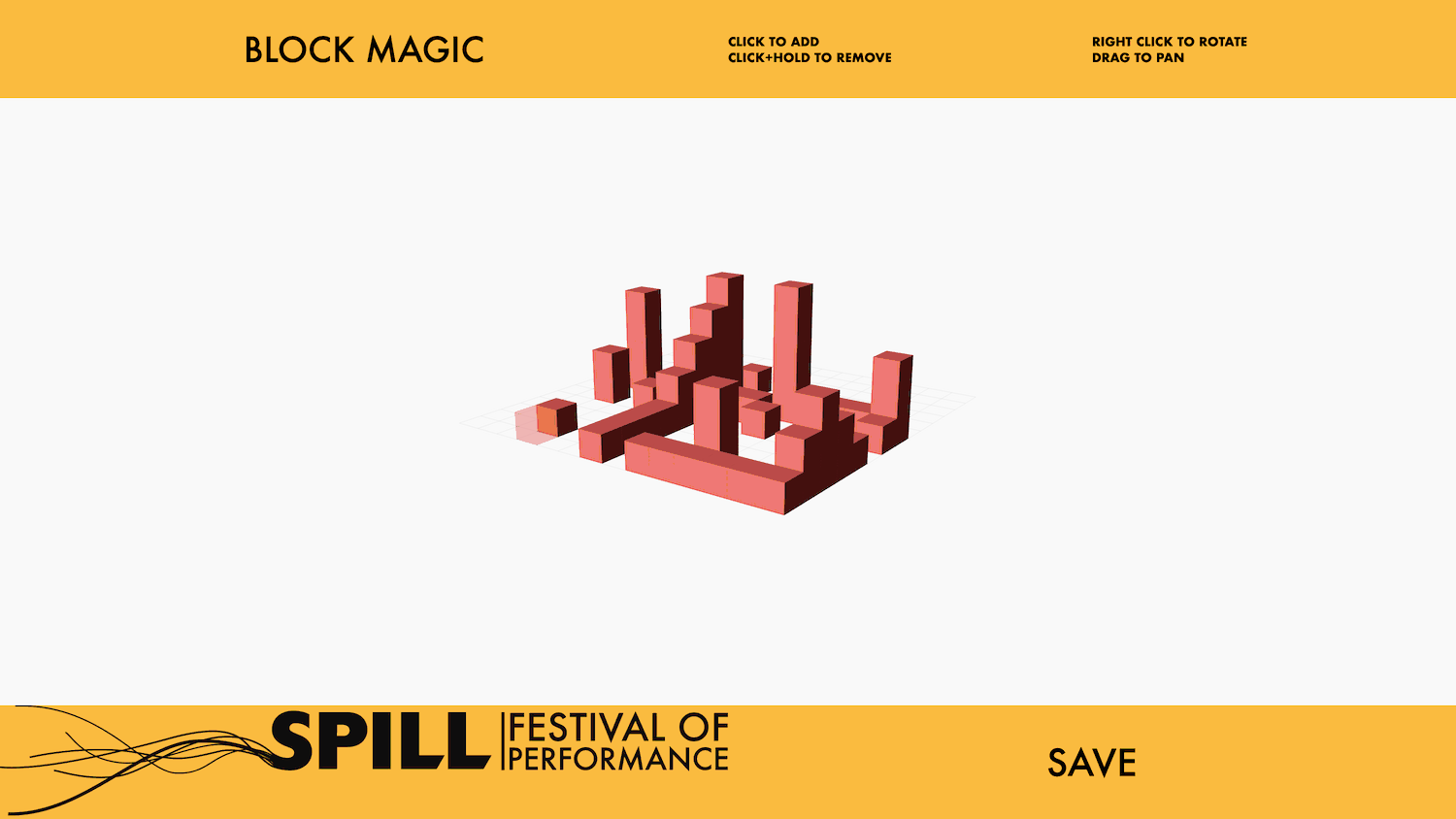
Block Magic (2018) software by Jared Tilston.
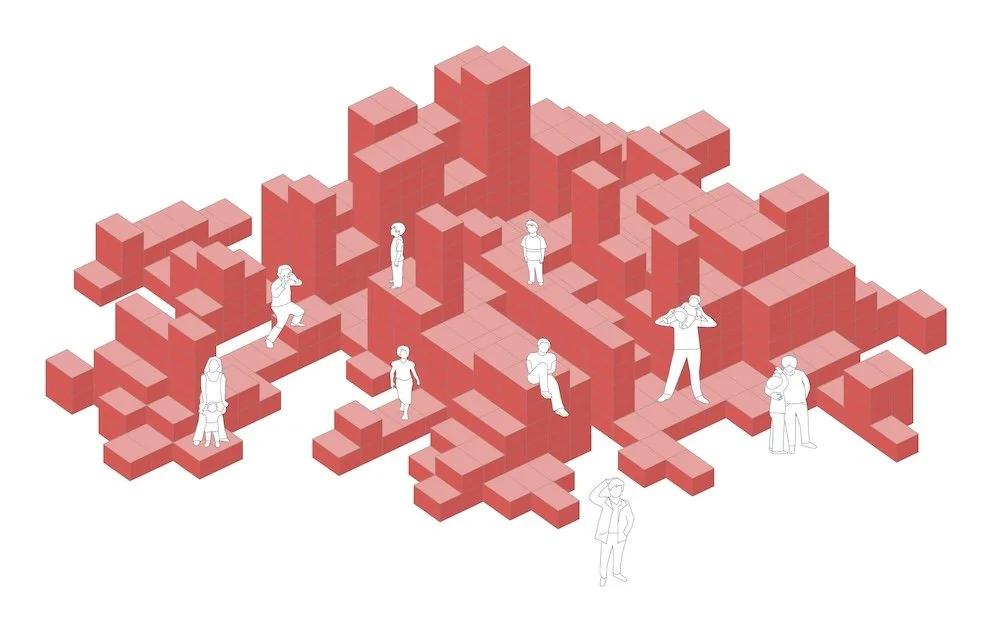
Block Magic (2018), development sketch by EDRM.
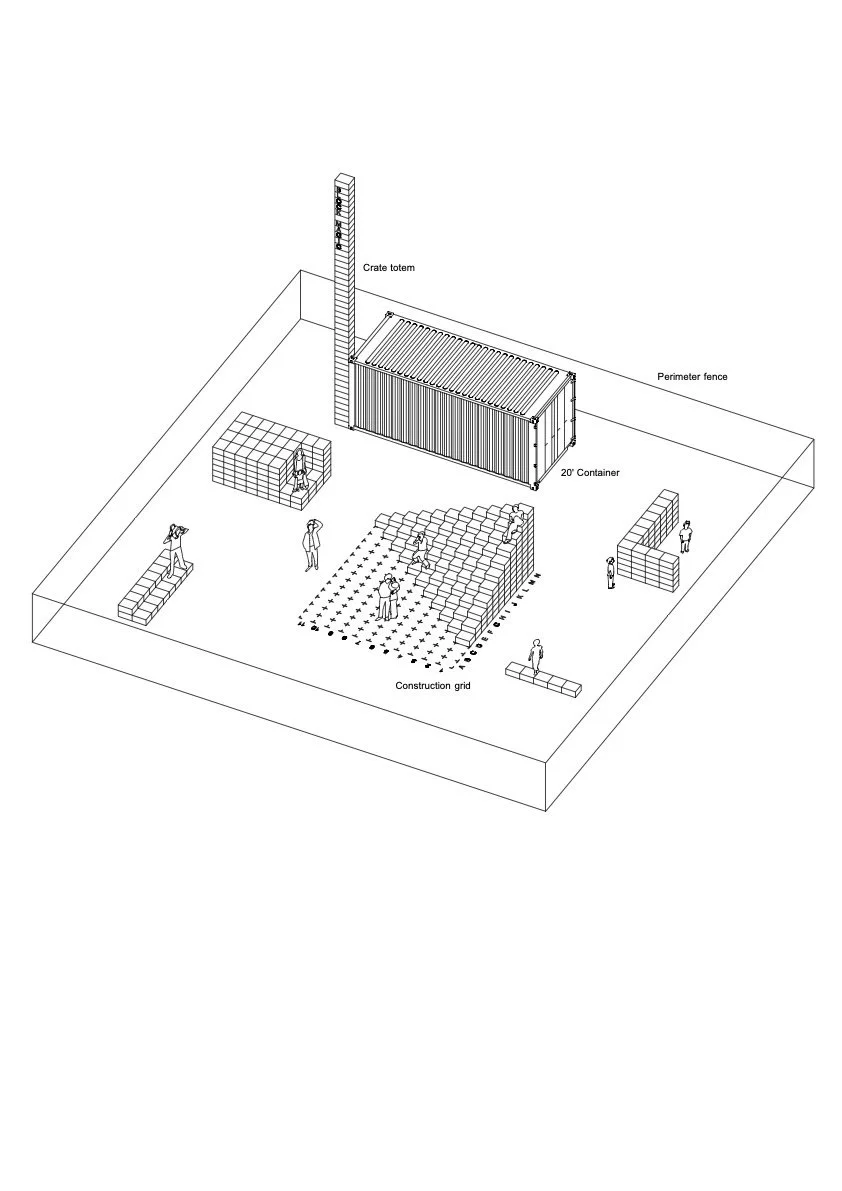
Block Magic (2018) development sketch by EDRM.
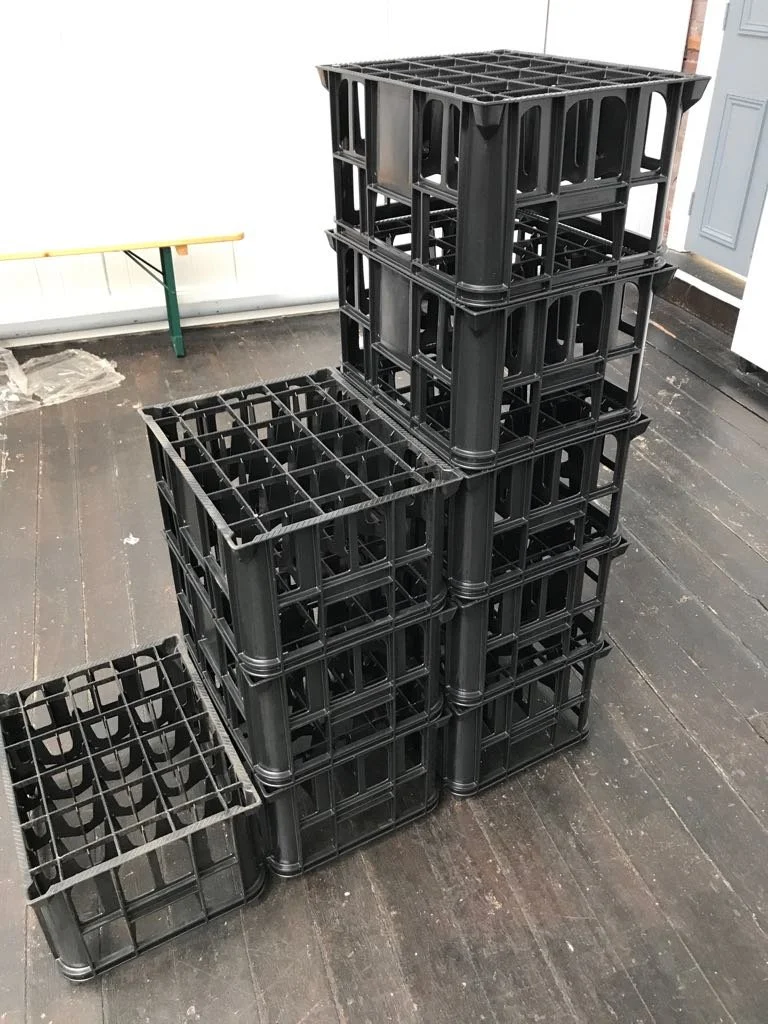
Block Magic (2018) crate experiments at the Think Tank.
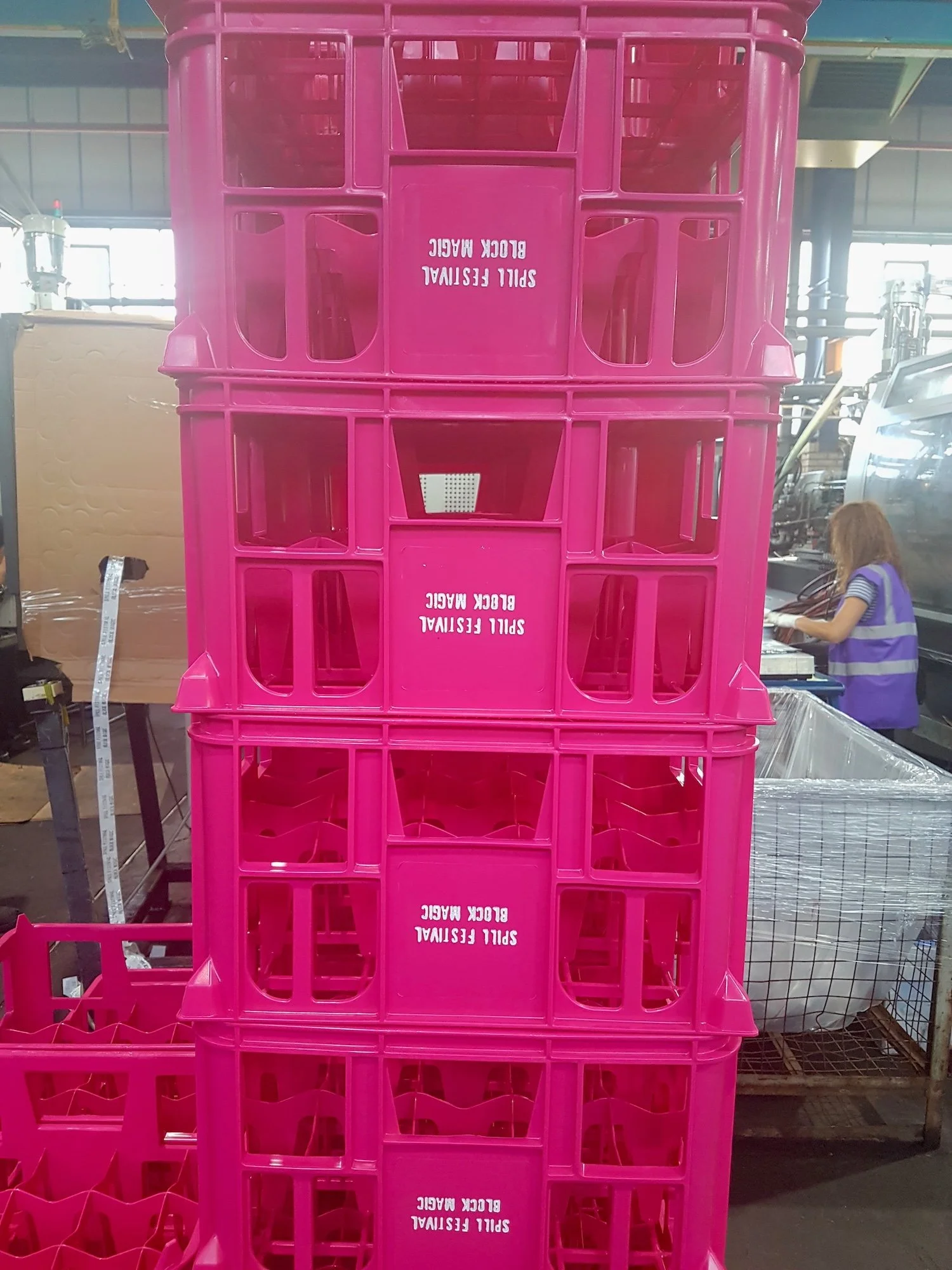
Block Magic (2018) crates in production.
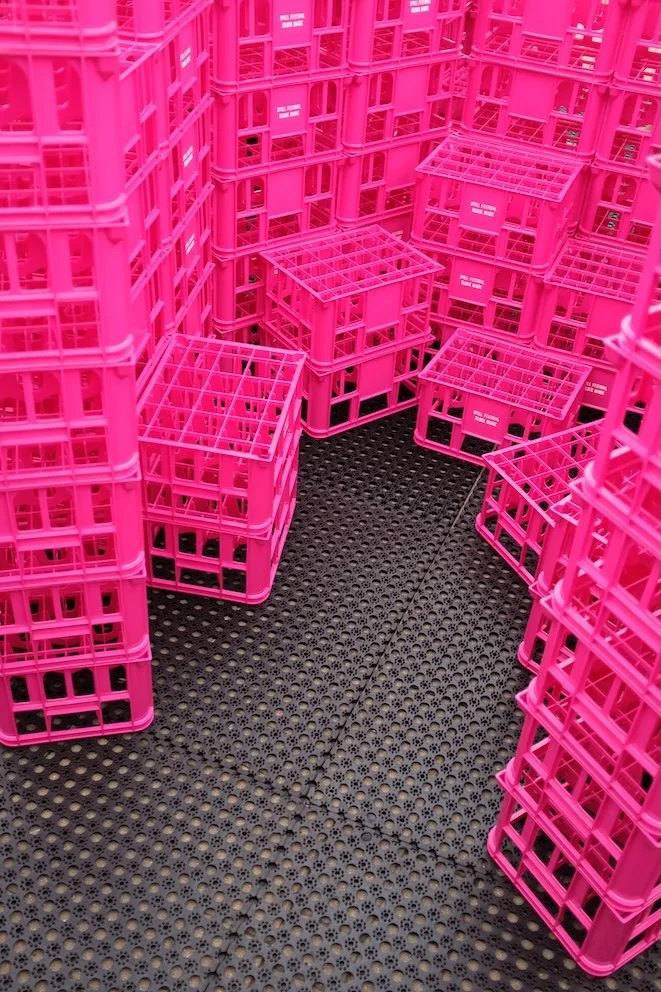
Block Magic (2018). Photo by Jo Leverett.
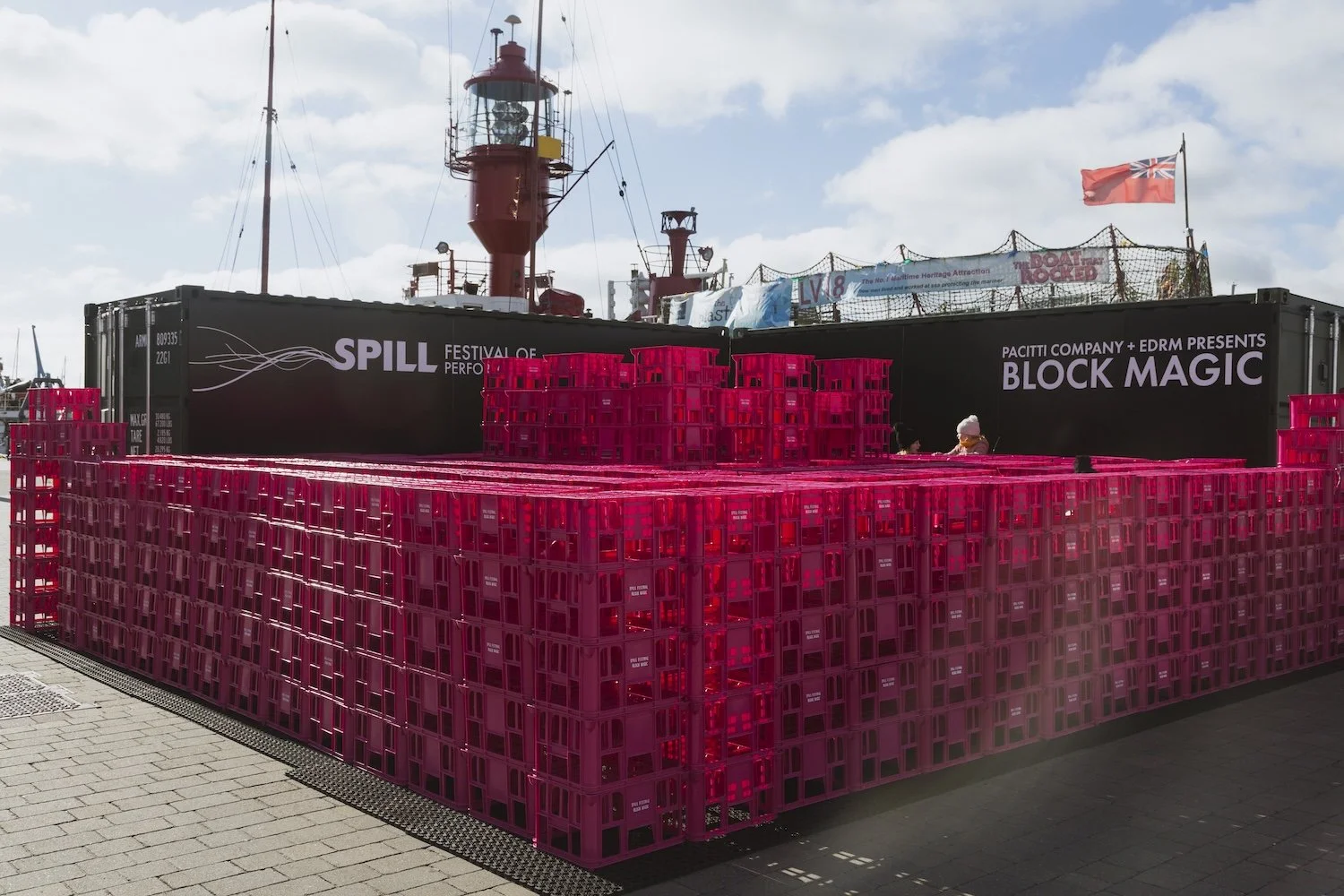
Block Magic (2018) on Ipswich Waterfront (2018), photo by Christa Holka
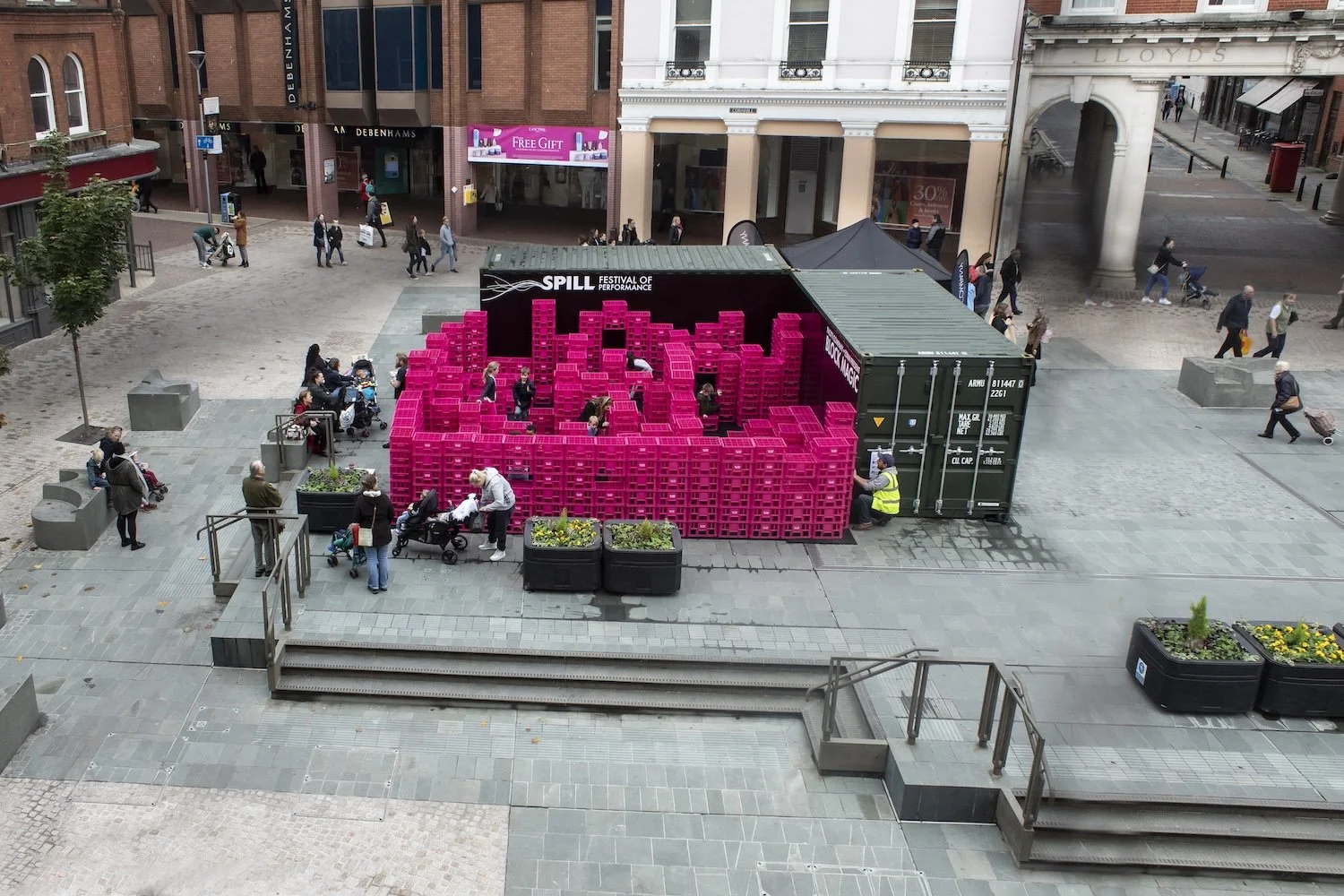
Block Magic (2018) Cornhill (half-term, 2019), photo by Gillian Allard
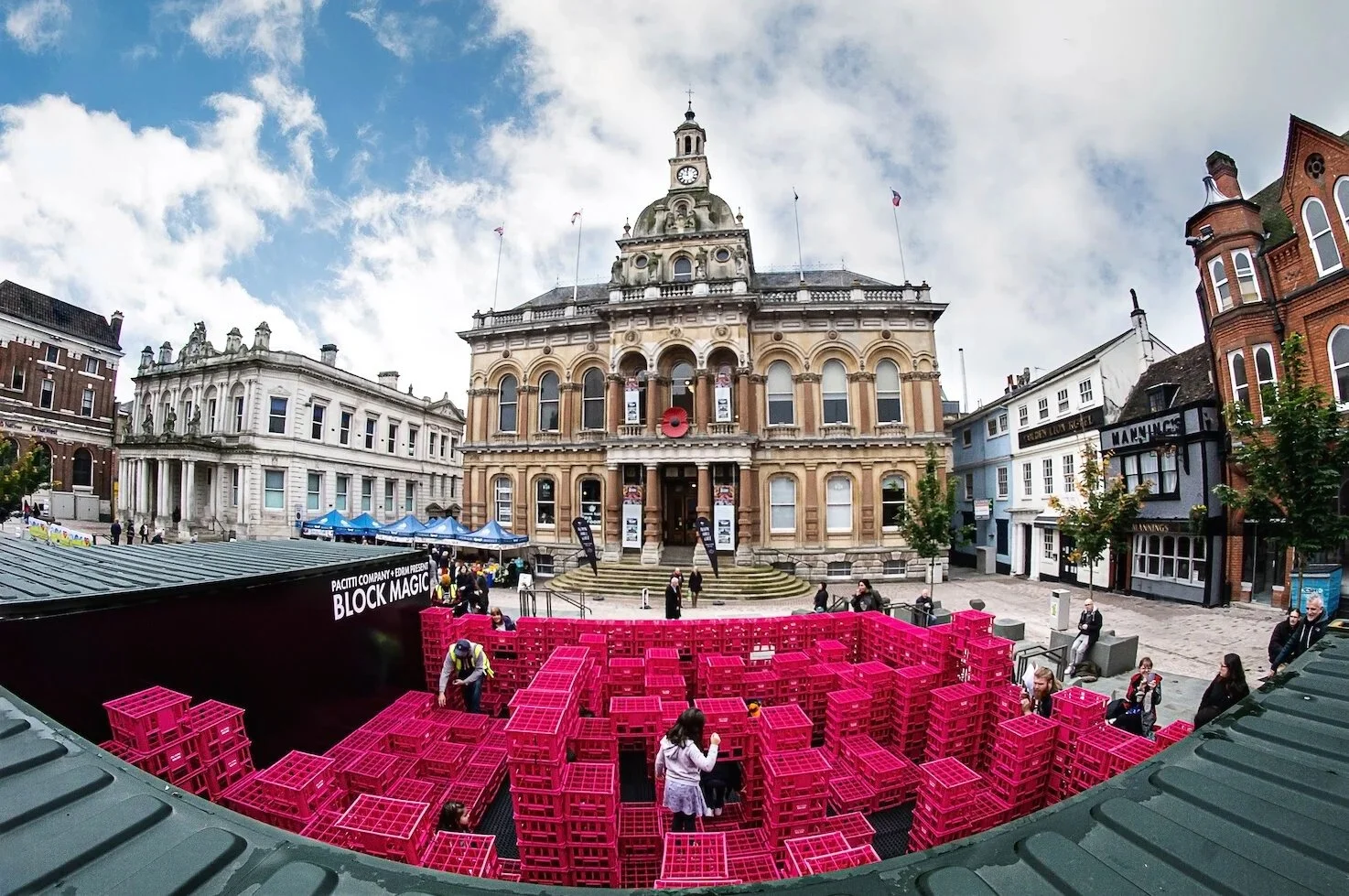
Block Magic (2018) Cornhill (half-term, 2019), photo by Gillian Allard

Block Magic (2018) Ipswich Waterfront (2018), photo by Guido Mencari.
CREDITS
Premiere: October 2018
Duration: Flexible
Place: Ipswich waterfront, Suffolk
Concept, direction: Robert Pacitti
Research and development: Robert Pacitti, EDRM
Research support: Amy Wragg
Software design: Jared Tilston
Participation lead: Alice Sandon
Technical director: Bernd Fauler
Technicians and construction: , Billy Mulligan, Eva Edwards, Paul Escott
Play Specialists: Alex Donaghy, Deborah Kasibante, Joe Leat, Jane Maxwell, Pollyanna Netherway-McHugh, Jacko Pook, Megan Reeve, Molly Scurrell, Mollie Steward, and Christopher Yarnell.
Photographers: Gillian Allard, Christa Holka, Guido Mencari
Producer: Pacitti Company
Context: Part of On Time + Place - a three year Pacitti Company Ambition For Excellence programme, supported by Arts Council England
Funding: Arts Council England Ambition For Excellence funding.