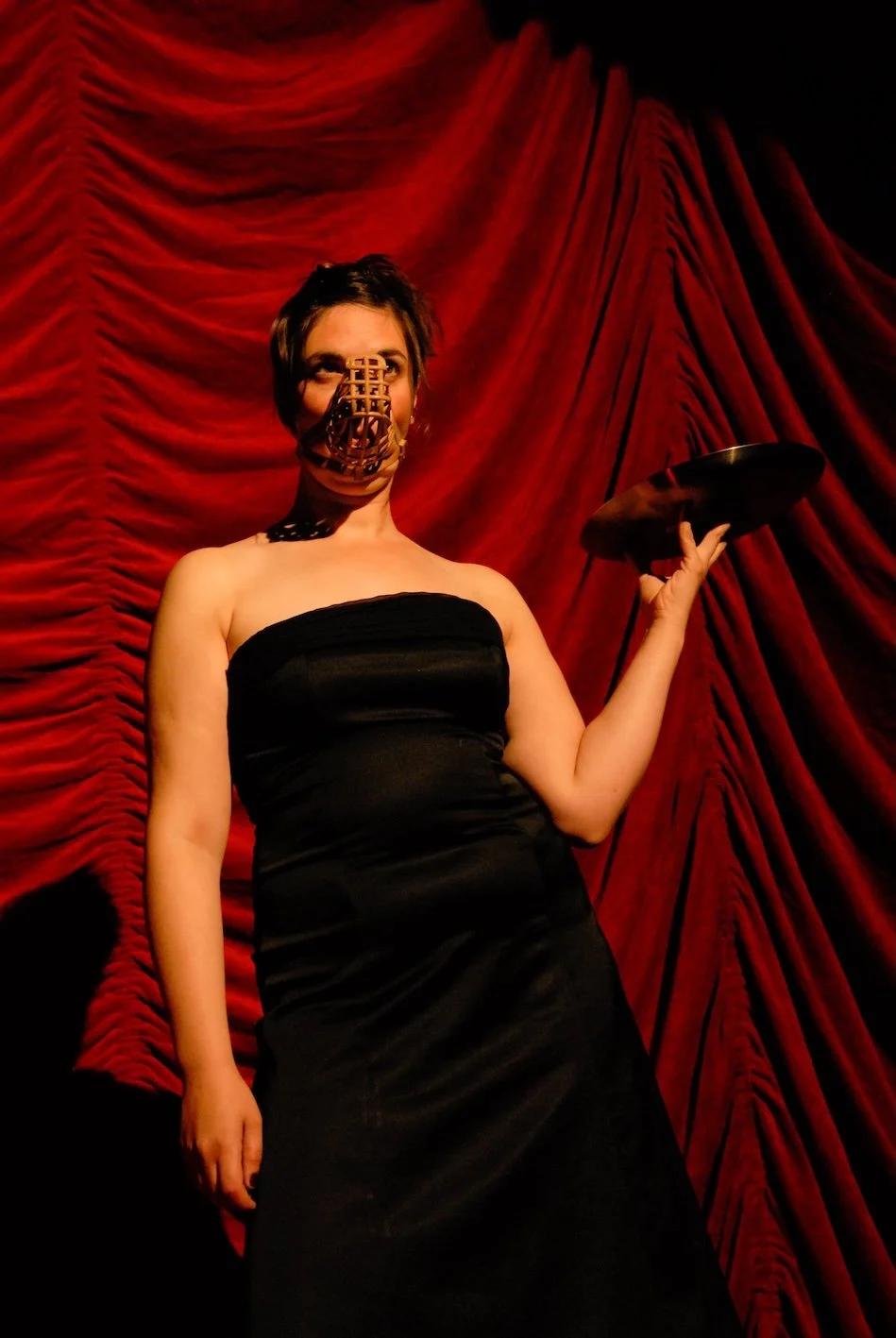
Sheila Ghelani in Finale (Sydney, 2008). Photo by Heidrun Löhr.
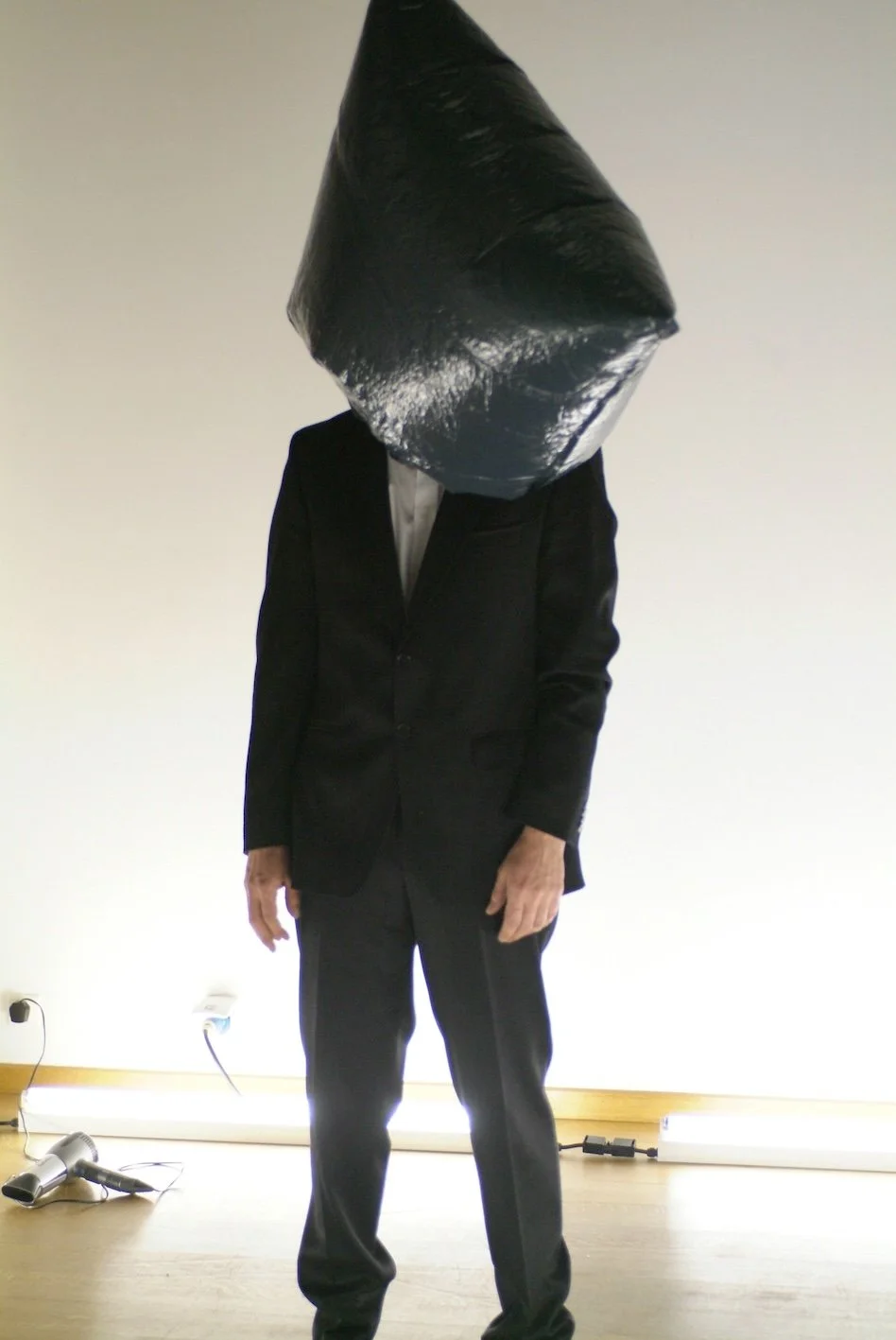
Robert Pacitti in Finale (BOZAR, Brussels, 2005). Photo by Antoinette Chaudron.
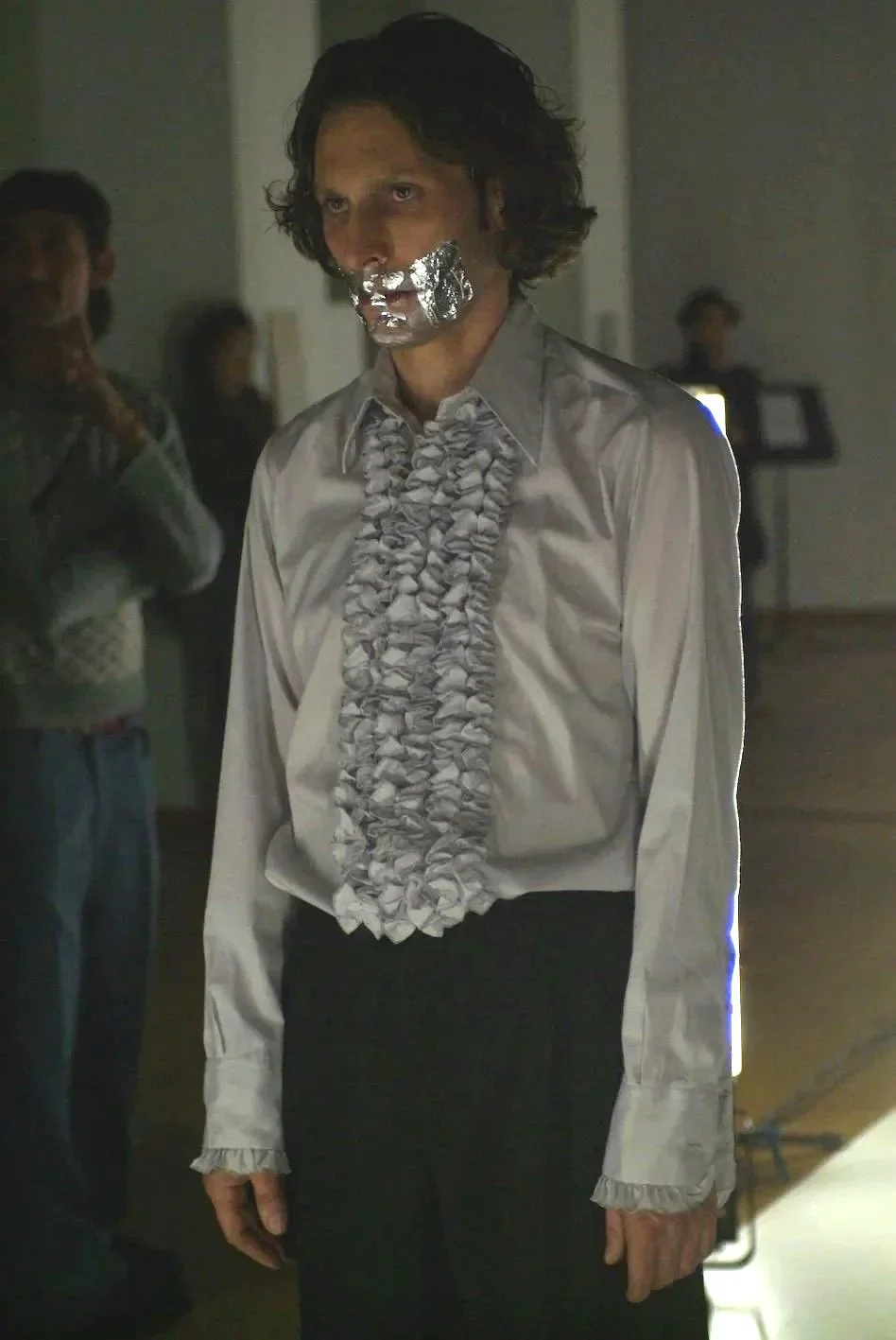
Richard Eton in Finale (Brussels, 2005). Photo by Antoinette Chaudron.
FINALE
(2001)
Group work • Site specific • Intensive • Emile Zola‘A question, to leave hanging in the air…
What does it mean to commit murder?’
For Finale, Pacitti Company joined forces with the cult Swiss electronica band Velma to create a series of highly visceral performances presented in intense, site-specific locations around the world. Abstracting Émile Zola’s 1867 novel Thérèse Raquin, Finale dispensed with narrative and character to concentrate on the book’s themes of deception, lust, spite and domination. Sexual obsession and jealousy played out against the hypnotic repetitions of Velma’s minimalist soundwork. Pacitti Company revelled in the dirt of Zola’s text and, true to form, Finale was compelling, explicit, uncompromising and cruel.
Finale followed Robert Pacitti’s solo performance This Is Not A Love Song (1999), commissioned for Raimund Hoghe Week at Klapstuk, Leuven. Developed in collaboration with Velma in Lausanne during 2000–01, the work was co-devised as a group piece by Marisa Carnesky, Richard Eton, Sheila Ghelani and Robert Pacitti during a residency at Oval House in London. It was initially toured as a performance within an exhibition within a theatre: audiences entered the theatre to encounter a curated exhibition displayed on the outside walls of a large white cube at its centre, before moving behind those walls to experience the live work inside at close quarters.
In 2003, Eton, Ghelani and Pacitti extensively reworked Finale, transforming it into a site-responsive project that could inhabit spaces carrying their own histories and associations - disused factories, a Victorian brick reservoir, the crumbling walls of an Italian city, a former prison. The work increasingly became a vehicle for collaboration with local practitioners wherever it was presented. Over a two-week residency, up to 30 artists and practitioners from the locality participated in workshops and masterclasses exploring Manifestos - asking what would you die for? - and the Explicit Body - asking how we take responsibility for, or tactically engage with, our own representations.
Participants developed their own live responses, working alongside the existing Finale material and responding to the particular character of each site. Each performance moment was then recorded as a written ‘recipe’: a deliberately accessible form of notation drawn from domestic instructions rather than conventional playwriting or academic documentation. Over many years, these recipes accumulated into a Finale Cookbook that travelled with the company. New participants could draw on the archive, adapt existing recipes or create new ones, allowing the work to continually evolve rather than repeatedly starting from scratch.
The resulting performances brought together a core one-hour work by Eton, Ghelani and Pacitti, performed to Velma’s original one-hour soundtrack, with new performers weaving their material in, around and through it. The work was always remade in the language and culture of its host location, with translation itself becoming part of the creative process. In this way, Finale became more than a touring performance: it developed into a living library of radical ideas and provocative actions, accumulating through encounters with artists and places around the world.
Alongside the performances, the project offered an ambitious model of professional development, peer exchange and international reciprocity. Many artists who participated in Finale in Australia, Brazil, Belgium and the UK later became part of the original SPILL Festival in 2007, where they presented their own work before coming together as an international workshop group to create two performances of Grand Finale, bringing the festival to a close.
Across its many iterations, Finale created lasting connections between artists, places and practices. It combined rigorous professional development with large-scale public performances, while opening up shared investigations into heritage, place, representation and models of coalition.
Across its many iterations, Finale created lasting connections between artists, places and practices. It combined rigorous professional development with large-scale public performances, while opening up shared investigations into heritage, place, representation and models of coalition.
PROGRAMME NOTE
Finale programme note,
Robert Pacitti, 2001
In his preface to the second edition of Thérèse Raquin (1867), Emile Zola writes:
‘...my aim has been to study temperaments and not characters. This is the whole point of the book.’
I believe he wrote these words not as an attempt to justify his by now already notorious novel, but rather to offer a level of understanding as to his motivation. This, he must have felt, was born out of necessity. Having first appeared as a serialisation in L'Artiste newspaper, under the title Un marriage d'amour, the subsequent publishing of the work as a single volume, titled Thérèse Raquin caused widespread outcry, being sited in the French popular press as "A quagmire of slime and blood" and "a sewer of pornography". But these naïve and reactionary outpourings are surely more telling of an era from which they hail, dominated as it was by the bourgeois pomposity of the Romantic genre, than they are of Zola's morality. For to miss a reading of Thérèse Raquin as a calculated and even 'scientific' investigation of human behaviour is undoubtedly to miss a primary point of the work. As Zola clearly states himself:
‘I simply applied to living bodies the analytical method that surgeons apply to corpses.’
This is a bleak tale which draws on animal responses and nothing more. And it is with this clinical objectivity in mind that I began to read Thérèse Raquin also as a dissection of contemporary political concern. At the time he wrote the work, France was still a major colonial force in the world and therefore the fact that the book’s central character, the murderous Thérèse, is constructed to be of Algerian heritage is a detail that should not go unmissed. Is this a direct attempt by the author to demand a considered response, or merely a perpetration of blatant racism built around notions of the stone cold savage? Adding weight to this political literary dynamic, Zola writes a murder danced as a duet, executed not just by Thérèse in isolation, but also by her lover Laurent, fully culpable, fully French, and perhaps even more a protagonist of the killing than she. Indeed the person I feel most pity for throughout the book is Thérèse. Whilst she is clearly not a victim in the ways other characters fare, she is a suppressed and cornered woman and the self-incriminating behaviour of those around her lend great credence to her actions in the second half of the work. I empathise with her desperation and ultimately understand why she kills.
Thérèse Raquin is a work rich in layers and I have taken great delight in prising some of them apart. I have dispensed with much that is literary, and to a great extent theatrical, in order to seek out the true drama here, a search for an inherent and underlying tension I believe to be present through its very blood, shit and breath. This apparent destruction of the set, and even familiar, in order to generate new performance possibilities is not untried territory for me. The similarity between the elements I have claimed from Thérèse Raquin and those I excavated from Quentin Crisp's The Naked Civil Servant, with which I made Civil (1996), assert a personal methodology and construction process for theatre which is at once about both formal composition and political concern. I am attracted to the implicit in these works, and also to the cruelty both landscapes assert. I am drawn to these central characters, people for whom a sense of personal identity seems to become fractured and then reconstructed by the response of others, almost as if this is in some way necessary for them to develop and grow. And it is this sense of cultural editing which begins to make most sense for me within the processes of reading and making work, as well as in my collaborations with others to do so.
My decision to remake Finale with local artists wherever the work is shown, was borne out of a sense of urgency tinged at the edges with frustration at the ways in which process driven projects are often toured as nothing more than 'visiting product'. This has now become as central to the project as the commissioned soundwork and the performance. Each participating artist is engaged with a series of formal and conceptual considerations which generously begin to cross-pollinate my own. The rich interfaces that exist between the visual, political and sound-based pieces I have curated and those of my own, action centred work are exhilarating to me. I feel a strong sense of affiliation with all of the themes being examined here, with each of the artists whose work is present. And out of the twin mires of Zola's Thérèse Raquin and life in contemporary Europe this strategy for making new theatre begins to dredge something hybrid from the depths of my desire: on the one hand a seemingly obvious and simple tactic - cross art form collaboration to maximise output - and yet on the other a complex series of political dialogues built around a shared formal vision. A desire that still seems somehow truly radical.
THE GUARDIAN
Finale premiere, Oval House, London
Lyn Gardner, 10 May 2001
Emile Zola's novel Thérèse Raquin heralded the start of naturalism, a movement that had a major impact on European theatre in the latter half of the 19th century, as seen in the plays of Ibsen and others. Writing about his 1867 novel, Zola declared: "I simply applied to my bodies the analytical method that surgeons apply to corpses."
In Robert Pacitti's latest piece - a mixture of installation and performance - the novel is dissected further still, with bloody, cool results. The audience is forced to turn detective, open up the murderous body of evidence and find the maggots swarming there.
On entering the performance space you see a large wooden box, around which is an installation. On one side you must use a speculum to view the hidden sides of Polaroid photographs; on another side plays a video of a blurry figure floating in a lake. On a third is a series of photos: of dirty dishes, "whore" spelled out in chilli seeds, a woman in a bikini smeared with blood.
Then a woman in a pink evening dress, muzzled like a dog, invites the audience to enter the box. Inside, a dinner party has been taking place. Plates of half-eaten bread and cheese are still on the table. "What does it mean to commit murder?" we are asked. A blaze of sparklers suddenly lights the room.
From this point onwards it probably helps to know Zola's novel, where Thérèse, with her lover (her husband's best friend), murders her husband but finds the guilt too much to bear. But there are some brilliant moments in what follows, particularly in the perilous journey of Thérèse, naked but for her high heels, across a table filled with upturned bricks. She must pick her way between them, just like a child who cannot step on the cracks in the pavement for fear of disaster, but as soon as the end appears to be in sight more bricks appear.
Not all of the performances have that clarity, but this is a dense, revealing piece of work. And, with its exploration of livid sexual obsession and guilt, it provides the most unusual and unsettling theatrical experience currently in London.
REALTIME MAGAZINE
Grand Finale at the Shunt Vaults, London
‘The Big SPILL: A Fitting Climax’ - Rachel Lois Clapham, Spring 2007
RealTime issue #80 Aug-Sept 2007
Grand Finale at Shunt Vaults rattles the nerves of event the most hardened experimental theatre-goer. Pacitti Company’s immersive, non-narrative reworking of Emile Zola’s 1867 novel of death, sex, morality and power, Thérèse Raquin, is set in the dark, underground, rat infested hole-cum-nightclub home to the Shunt Performance Collective in the old railway tunnels by London Bridge.
Grand Finale has been performed over the last seven years, in cities as varied as Brussels, Birmingham and Rio De Janeiro, but remains profoundly and politically site specific. Each host city impacts on the work to produce a unique performance every time.
On its way through a maze of dark tunnels the audience passes a corner illuminated by a disco ball, under which a heavily tattooed lady dances on a shabby white grand piano—a disturbing curtain raiser to the main act where we encounter Sheila Ghelani, tightly muzzled and glamorous, alongside a cast of all-female guest performers.
Ghelani removes the muzzle, launching into a monologue:
“I am Thérèse, I am an experiment. I am under analysis, under the microscope. My fate is fixed and I wear the perfect costume.”
She is Thérèse, the protagonist of Zola’s novel, but shares the part with her fellow female performers. Grand Finale’s dispersal of the Thérèse role fits with the central motivation of Zola’s novel, to study human actions and temperament but not character. It also ties neatly in with Pacitti Company’s non-theatrical treatment of the novel in order to pursue the real drama and themes contained within.
Later, the 22 performers break away leaving the audience free to wander and witness a range of vignettes beneath the railway arches, escalating the show’s dark aesthetic with images of sex, violence, domestic abuse and suffocation variously involving bared breasts and genitals, raw meat, milk, wine and bin bags.
One vignette tested the central dilemmas under analysis in Zola’s novel more acutely than any other. In it Ghelani slowly drowns a large goldfish by gradually removing water from its small glass bowl. Of course the fish only appears to be drowning—it clearly has enough water throughout—but what’s signified is more important. The scene embodies a live manifestation of Zola’s example of the helpless victim, its impending death and the exercising of power to kill devoid of any moral or legal right to perform such an act. It is a gesture that creates audience concern, questioning the integrity of using a live animal in performance. In short, the scene presents a moral conundrum: it is the best act for all the wrong reasons and as such its place within Grand Finale is entirely fitting.
Grand Finale was more than a climax to the month long SPILL Festival. It was about exchange, bringing local and international performers to an existing but open-ended, radical structure in order to ‘produce’ while simultaneously exploring collaboration as product in and of itself. Grand Finale functioned as a microcosm of the SPILL Festival as a whole, embodying the individual and collective aim to provide, and moreover share, this unique UK platform for performance.
It is an event no-one will forget thanks to Grand Finale’s compulsory post-performance handwash for every audience member. This sinister ablution on the way out represented one last sly grope, courtesy of Pacitti Company, ensuring the grime of Grand Finale lingers on.
Grand Finale, devised and performed by Pacitti Company in collaboration with Françoise Berlanger, Eve Bonneau, Caroline Daish, Richard Eton, Sheila Ghelani, Richard Hancock, Traci Kelli, Louise Mari, André Masseno, Tuca Moraes, Priya Mistry, Robert Pacitti, Sylvain Reymond, Valerie Renay, Jason Sweeney, Carla Esperanza Tommasini, Heather Uprichard, Julie Vulcan, Hannah Williams, soundtrack Velma; Shunt Vaults, SPILL Festival of Performance, London, April 21, 22.
Extensive video, photographic, press, marketing, recipes and workshop documentation exists for this project and will be accessible, in due course, as part of the Robert Pacitti Archive held by the Theatre Collection, University of Bristol.
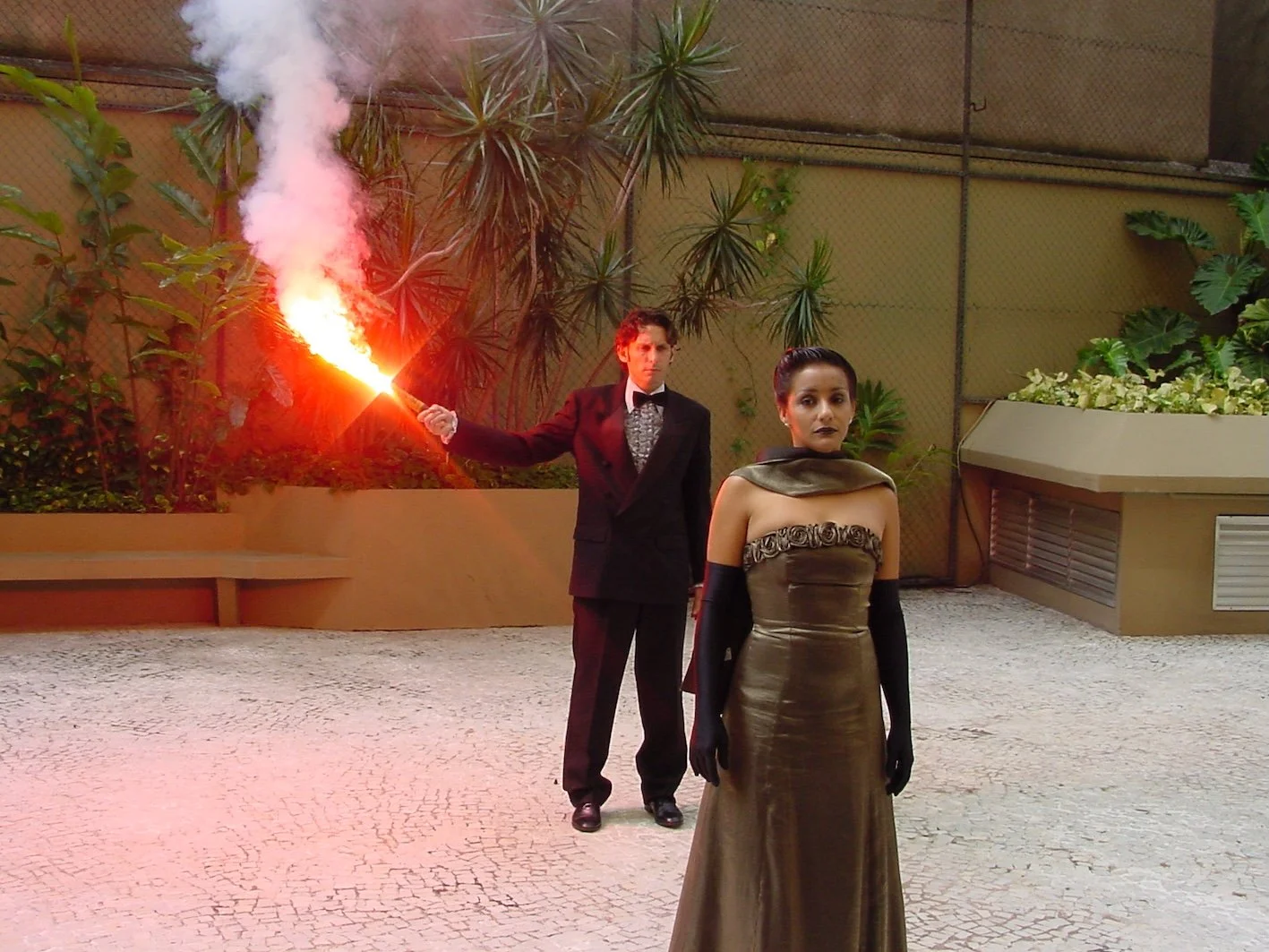
Richard, Maria Alice Motta in Finale (Rio de Janeiro, 2003). Photo by Luiz Fernando Lobo.
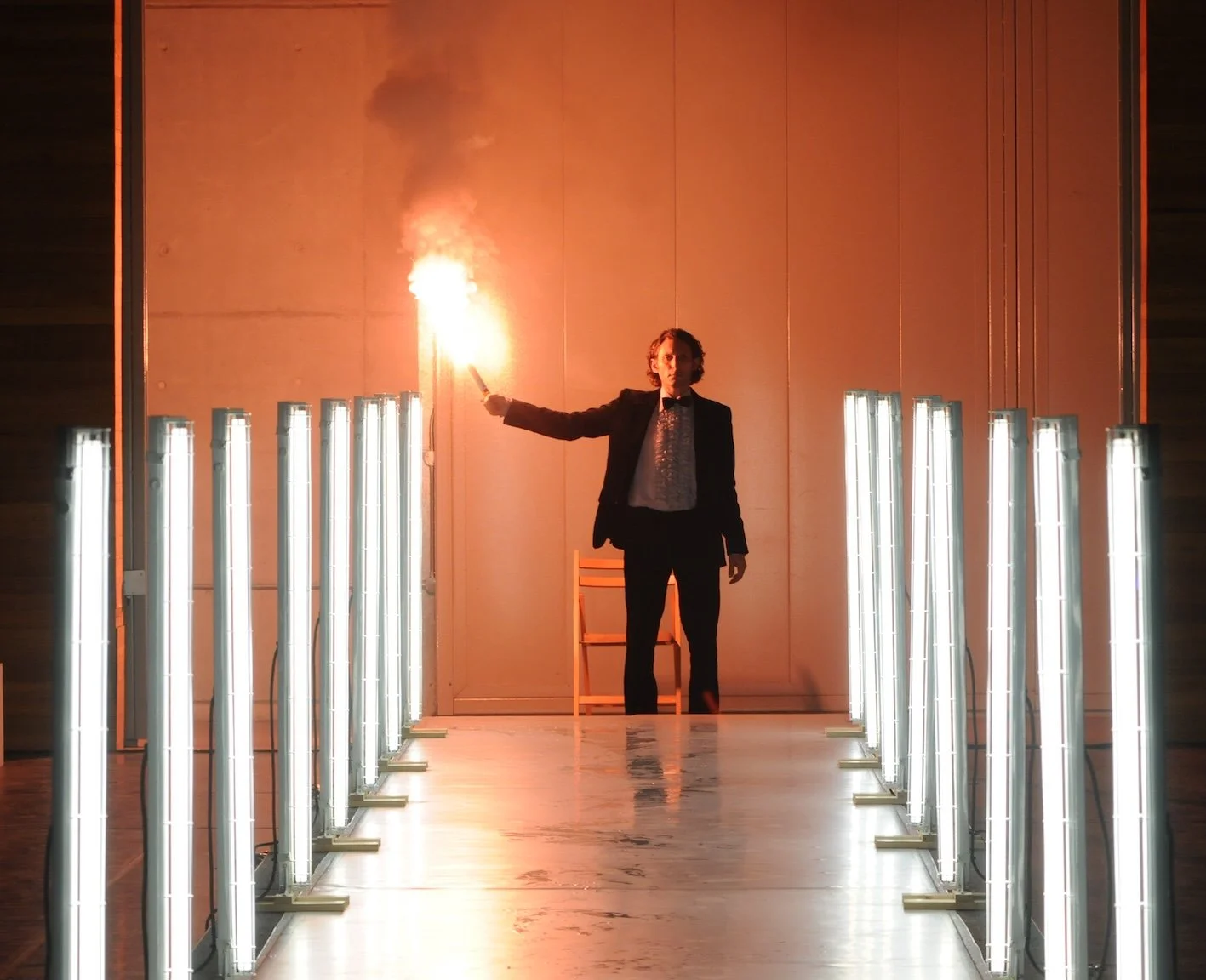
Richard in Finale (Sydney, 2008). Photo by Heidrun Löhr.

Valerie Renay, Sheila in Grand Finale (London, 2007). Photo by Luiz Fernando Lobo.
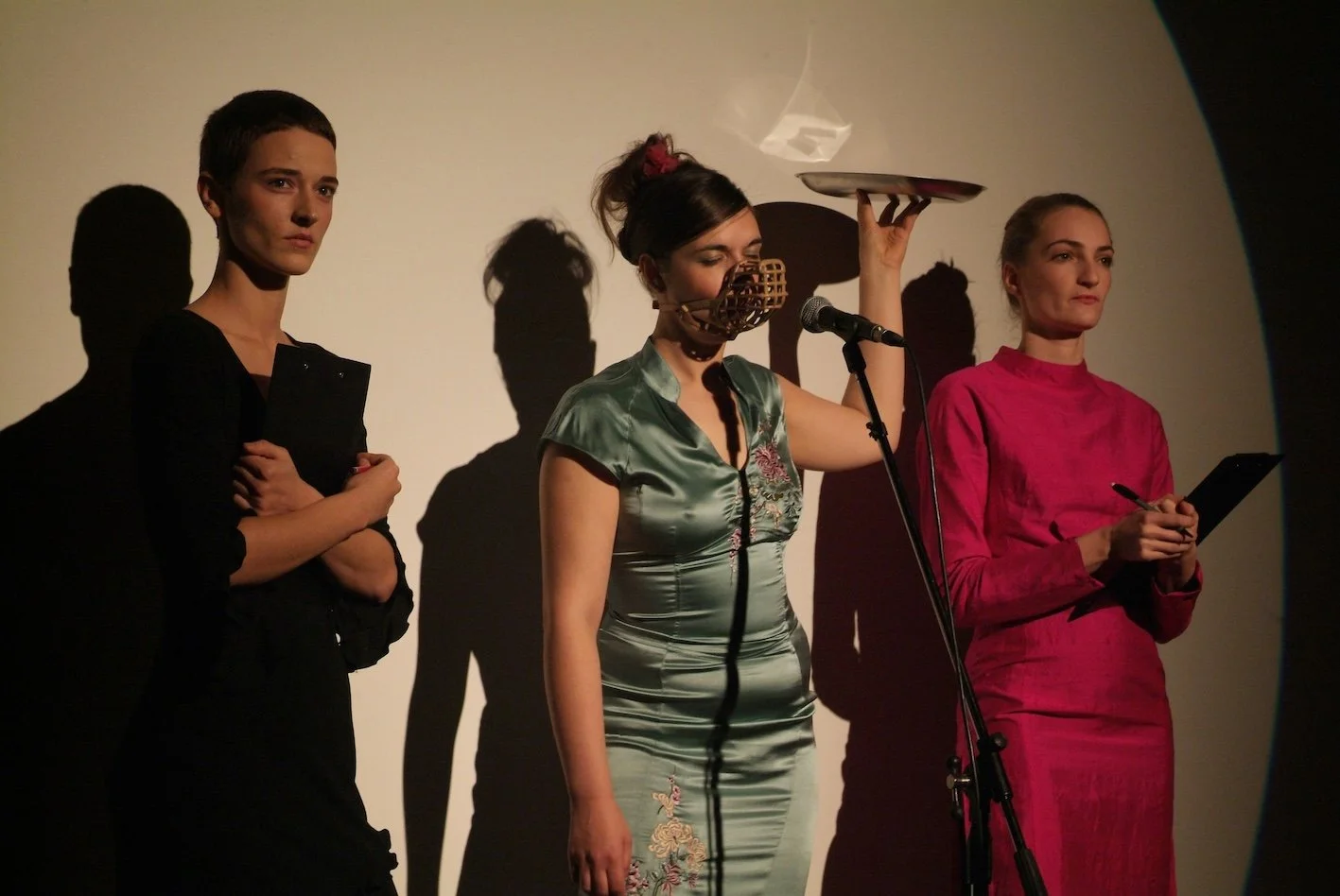
Sonia Rickli, Sheila, Gwen Berrou in Finale (Brussels, 2005). Photo by Antoinette Chaudron.
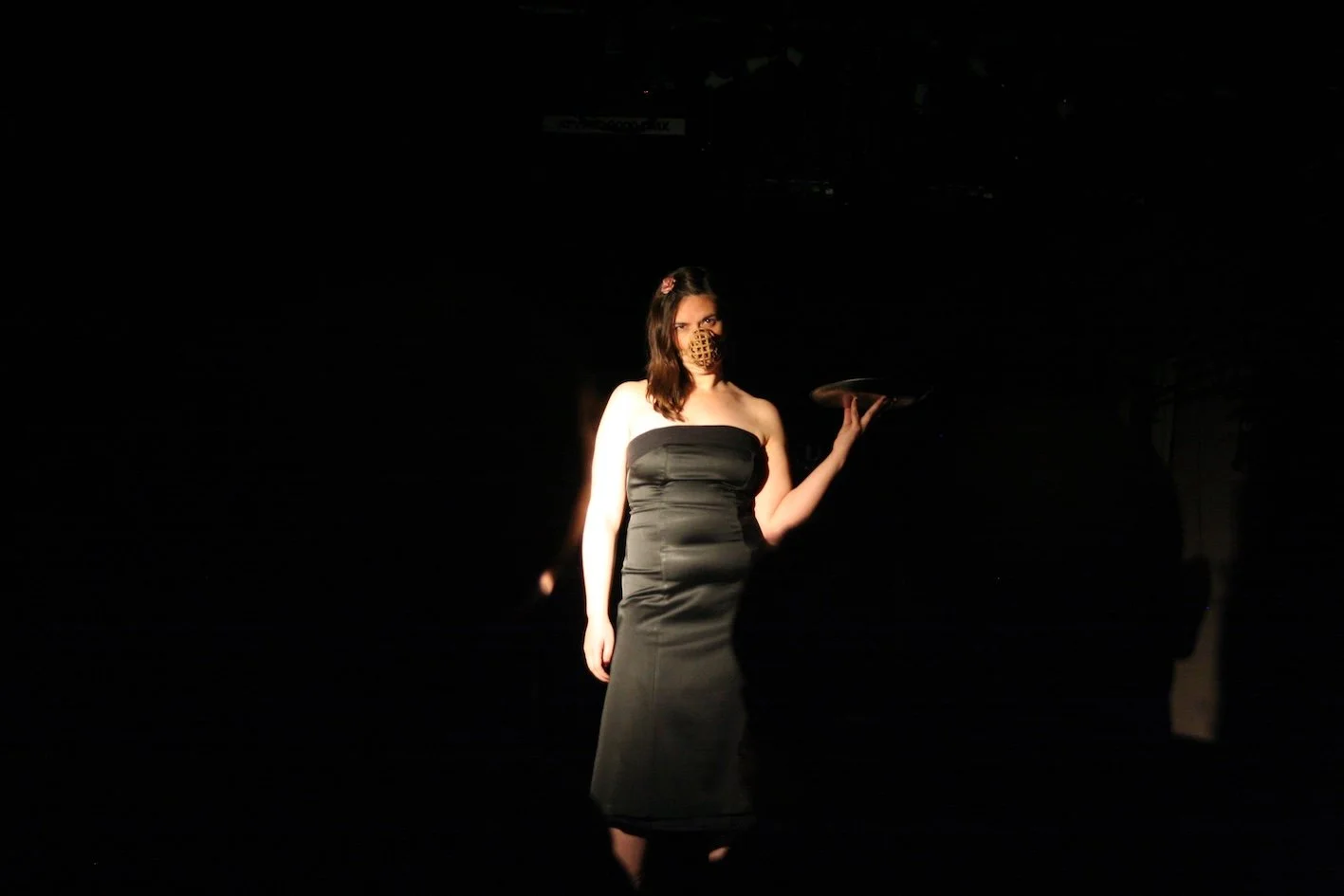
Sheila in Finale (Rome, 2004). Photo by Angela Larotonda.
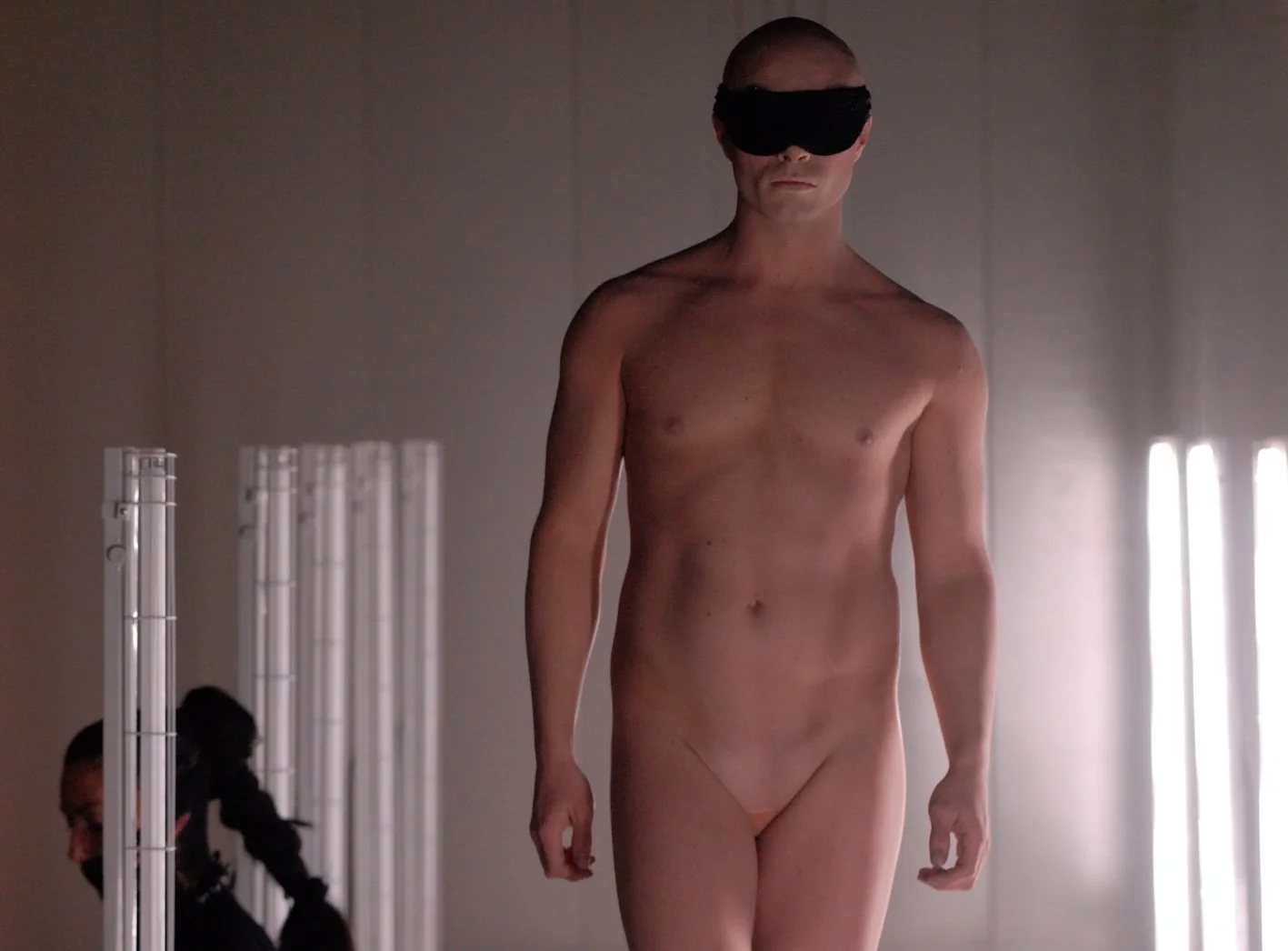
Angel in Finale (Sydney, 2008). Photo by Heidrun Löhr.

Sylvain Reymond in Grand Finale (London, 2007). Photo by Luiz Fernando Lobo.

Sylvain, Robert in Finale (Brussels, 2005). Photo by Antoinette Chaudron.
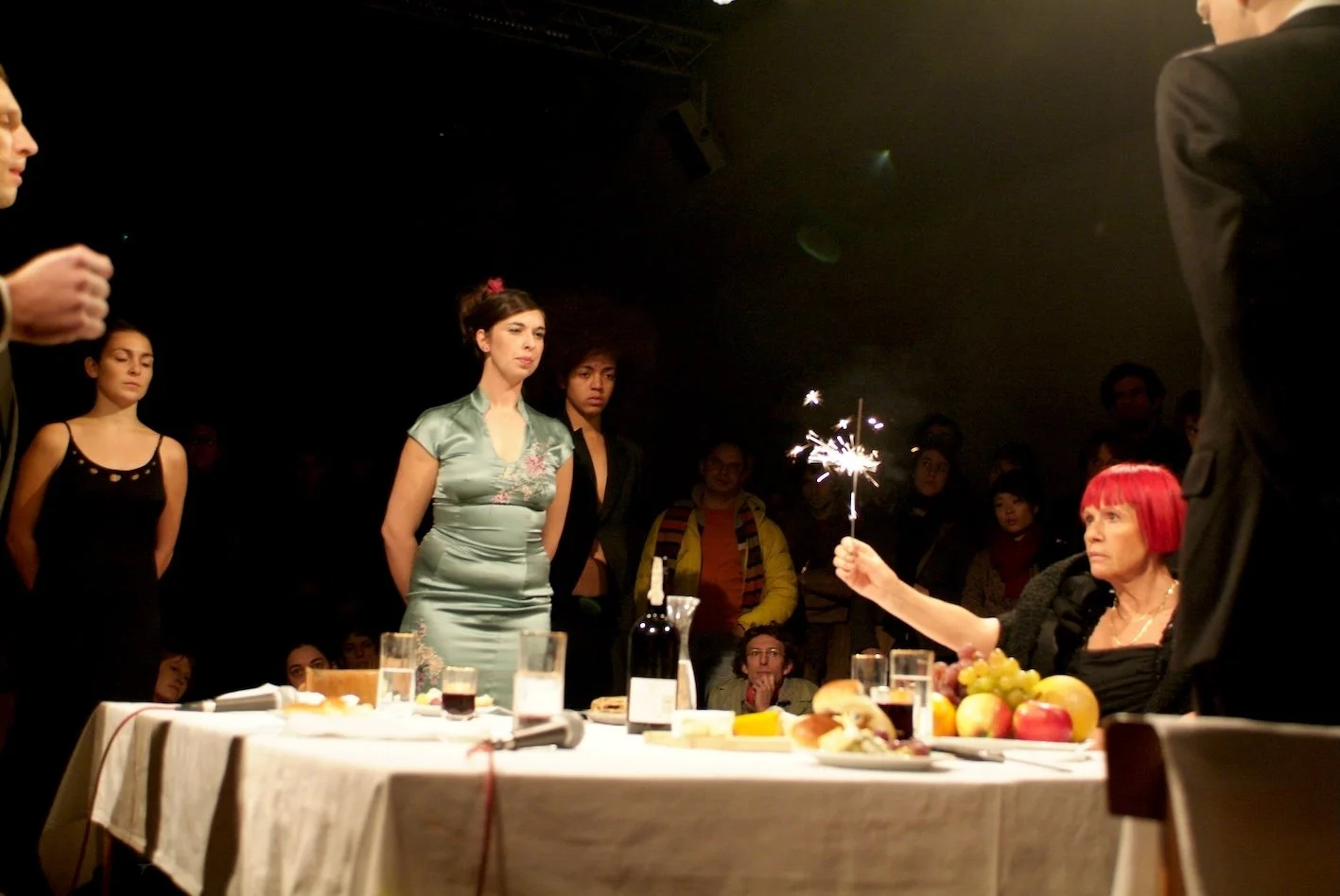
Claudia, Sheila, Cecile, Marie-Luce in Finale (Brussels, 2005). Photo by Antoinette Chaudron.
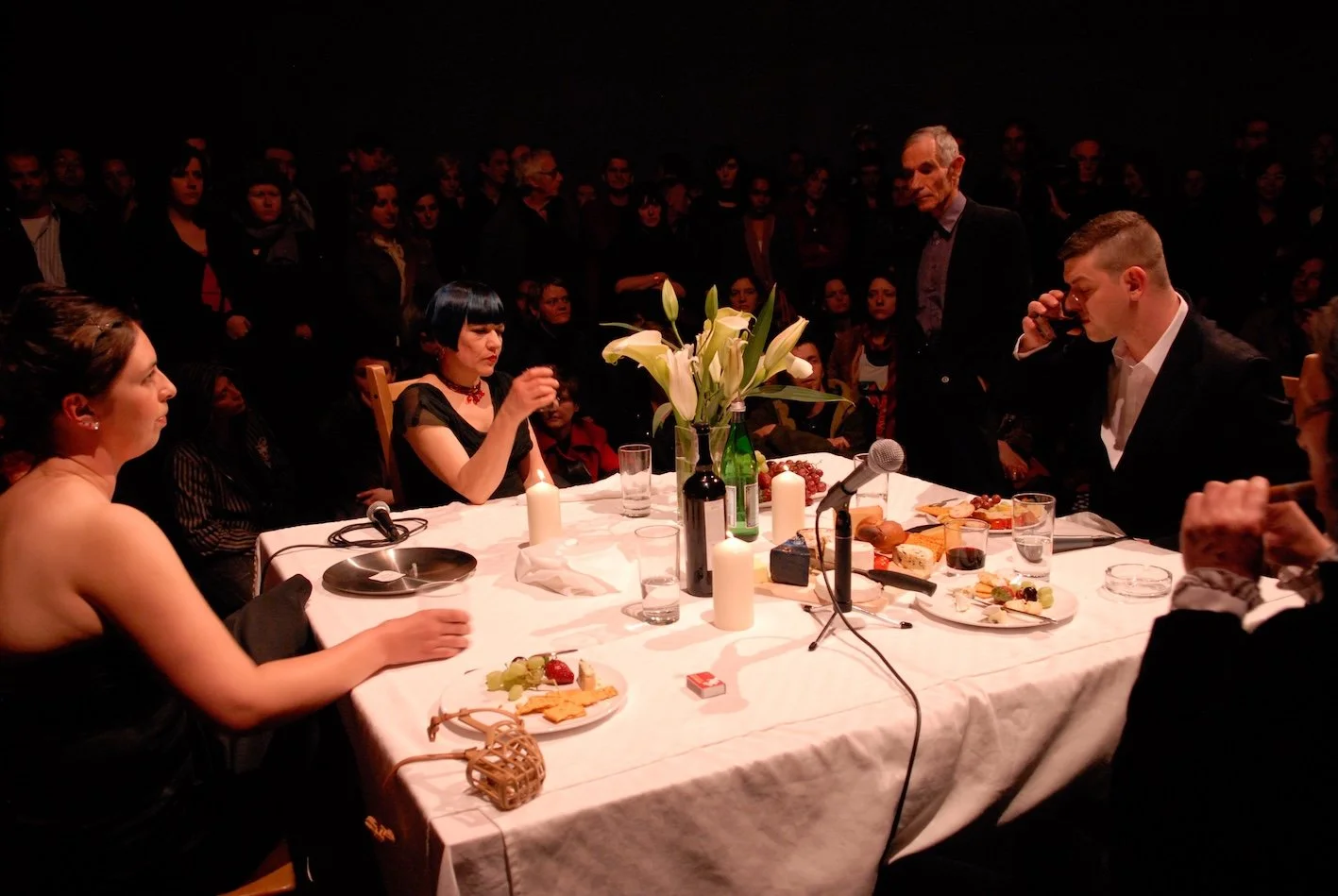
Sheila, AnA, Roger, Robert, Richard in Finale (Sydney, 2008). Photo by Heidrun Löhr.

Sheila, Robert, Richard in Finale (Padova, 2004). Photo by Pete Langthorne.
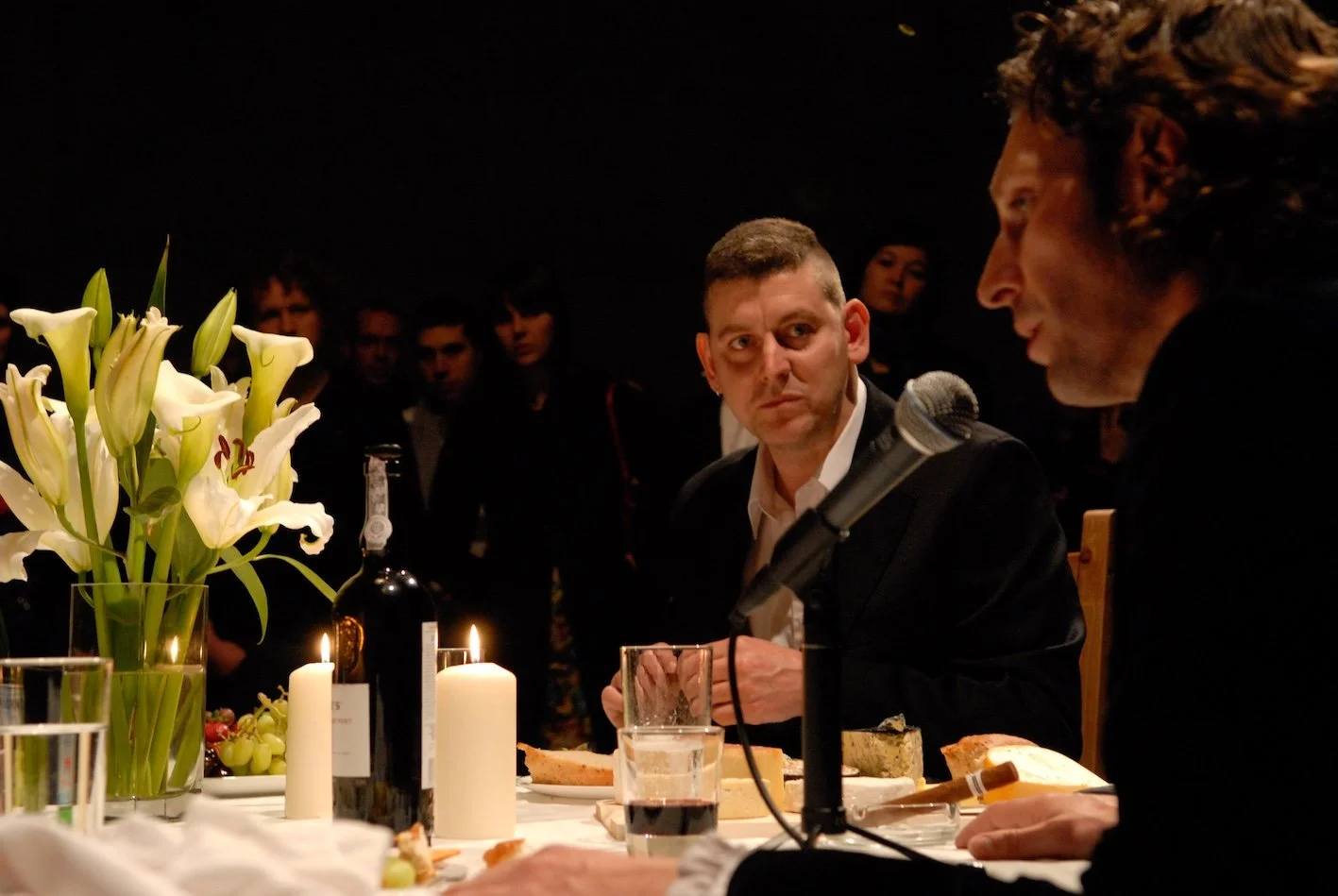
Robert, Richard in Finale (Sydney, 2008). Photo by Heidrun Löhr.

Robert, Richard in Grand Finale (London, 2007). Photo by Luiz Fernando Lobo.

Richard in Grand Finale (London, 2007). Photo by Luiz Fernando Lobo.

Richard in Grand Finale (London, 2007). Photo by Luiz Fernando Lobo.

Richard, Robert in Finale (Rome, 2004). Photo by Angela Larotonda.

Robert, Aileen Wells Rana in Finale (Huddersfield, 2008). Photo by Memhet Ali.

Priya Mistry in Grand Finale (London, 2007). Photo by Luiz Fernando Lobo.

Cecile Cozzolino, Sheila in Finale (Brussels, 2005). Photo by Antoinette Chaudron.
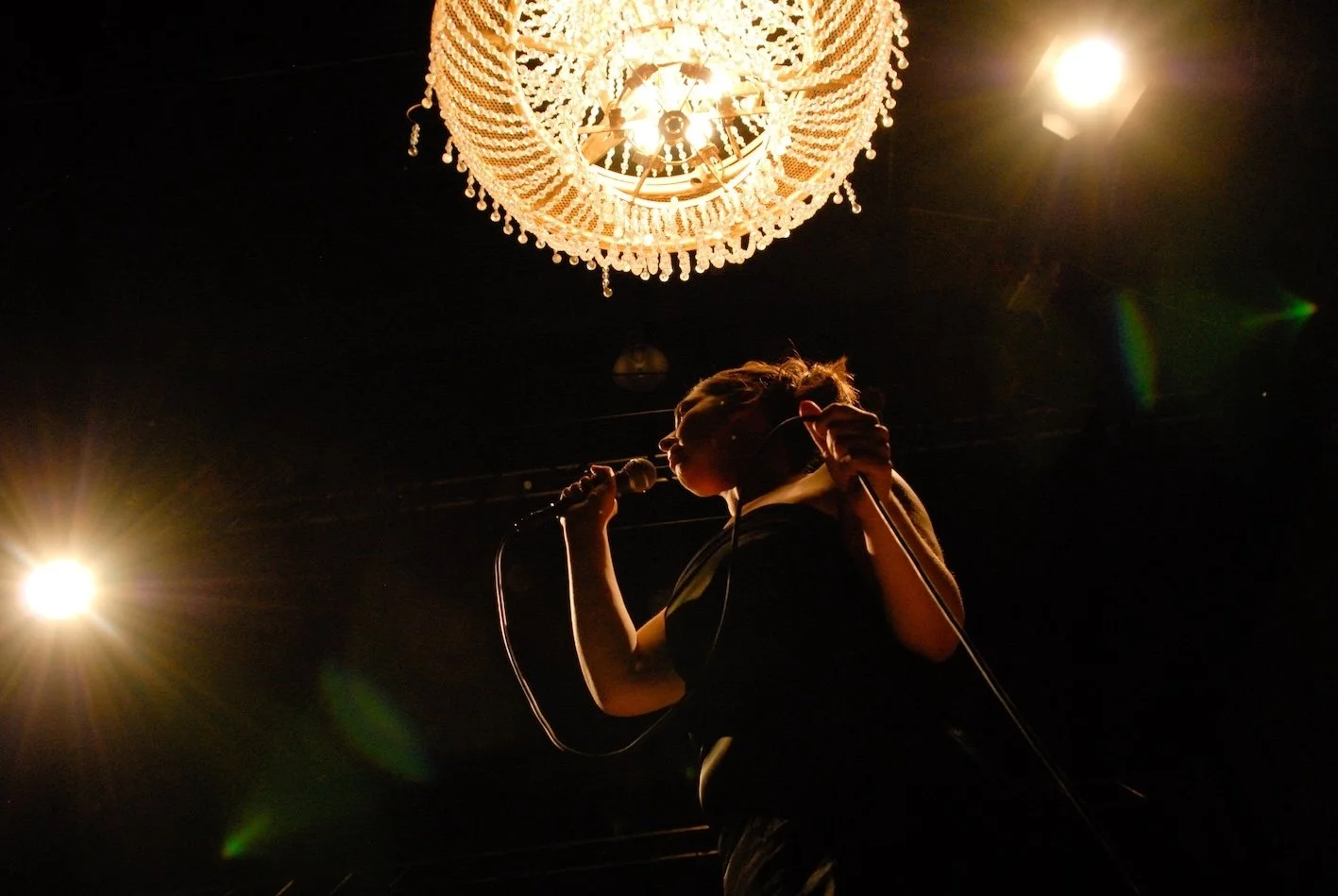
Sheila in Finale (Sydney, 2008). Photo by Heidrun Löhr.
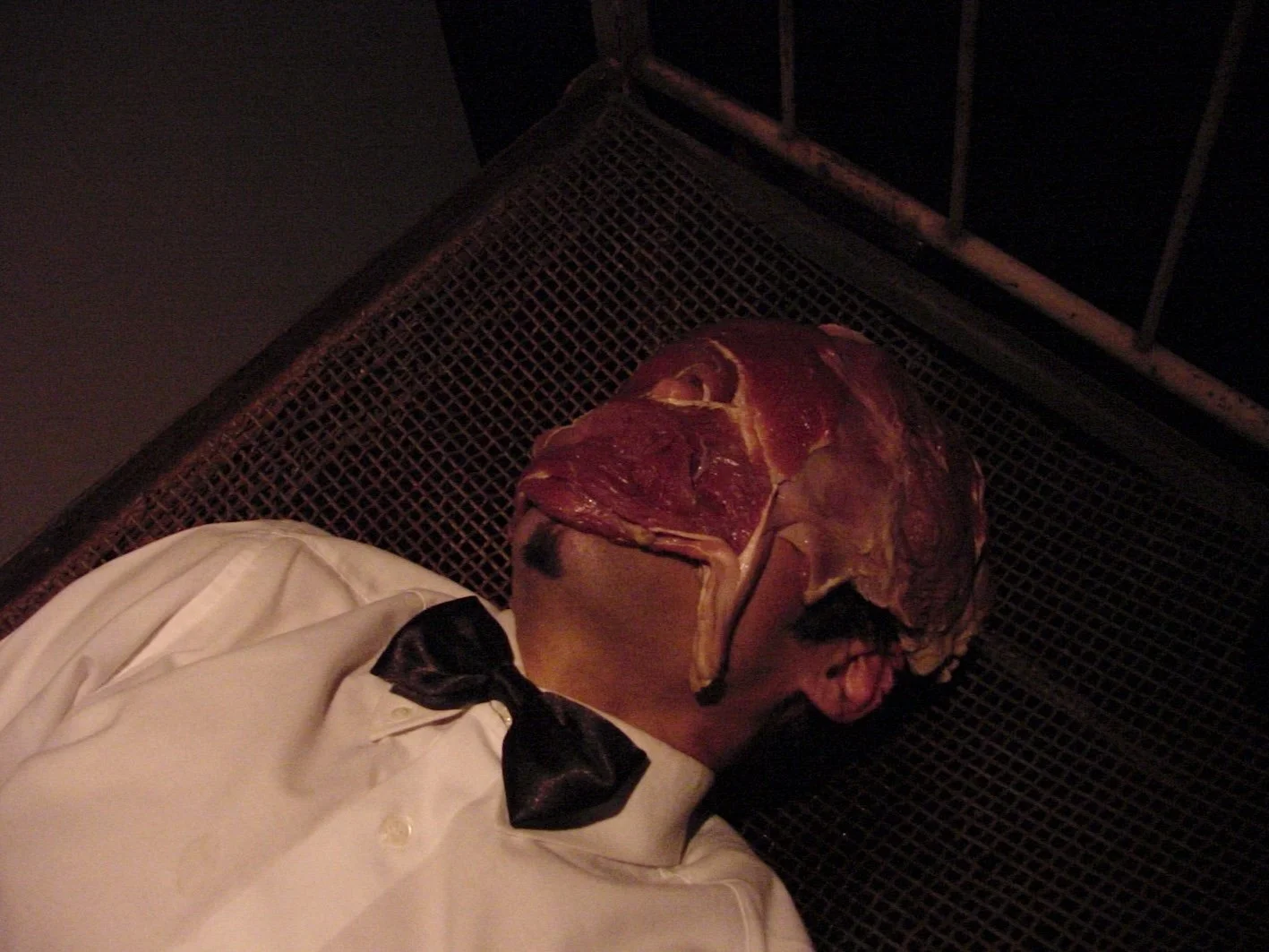
Cleber do Oliveira in Finale (Rio de Janeiro, 2003). Photo by Luiz Fernando Lobo.
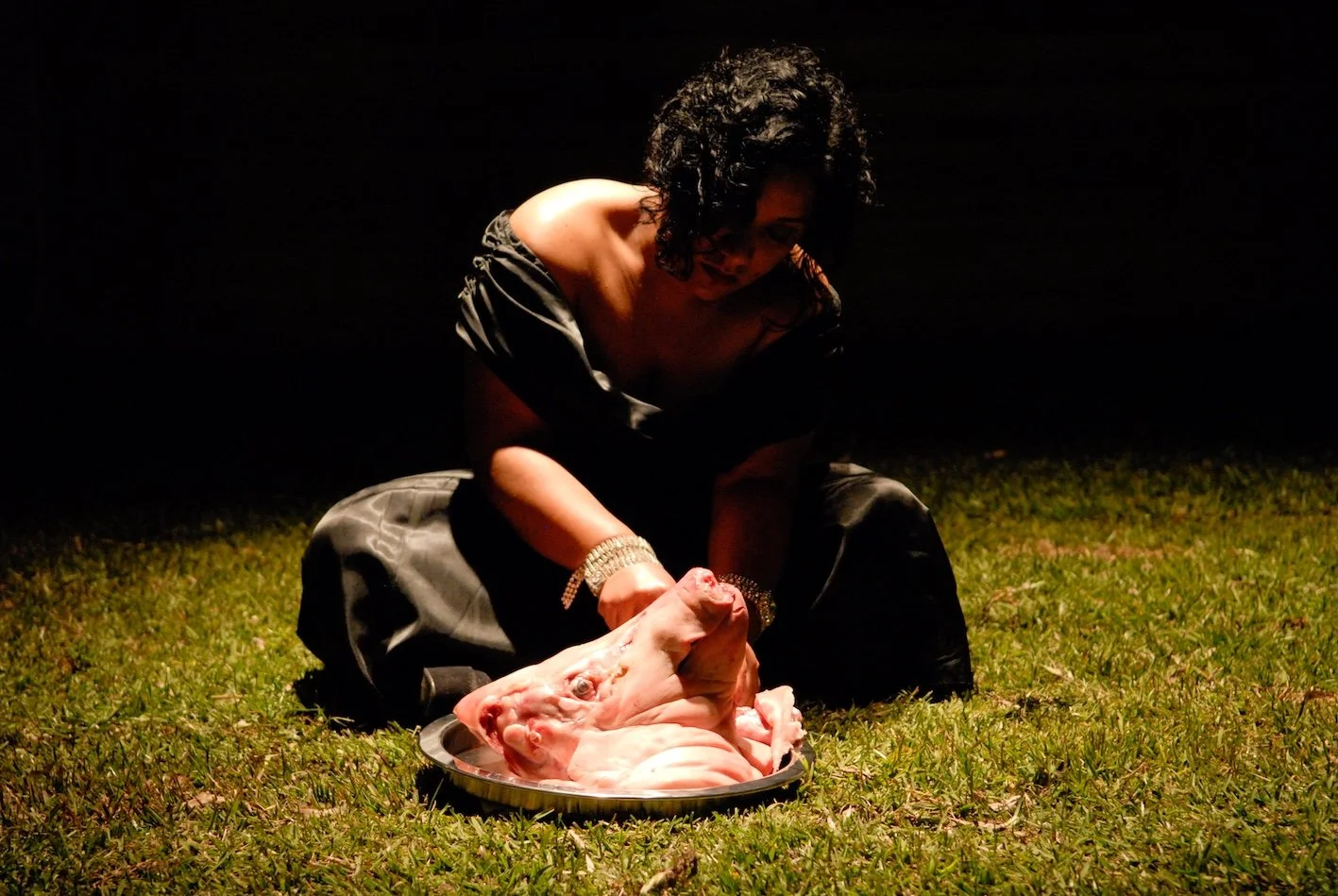
Latai Taumoepeau in Finale (Sydney, 2008). Photo by Heidrun Löhr.

Sylvain in Grand Finale (London, 2007). Photo by Luiz Fernando Lobo.

Robert in Grand Finale (London, 2007). Photo by Luiz Fernando Lobo.

Eve Bonneau, Sylvain in Grand Finale (London, 2007). Photo by Luiz Fernando Lobo.
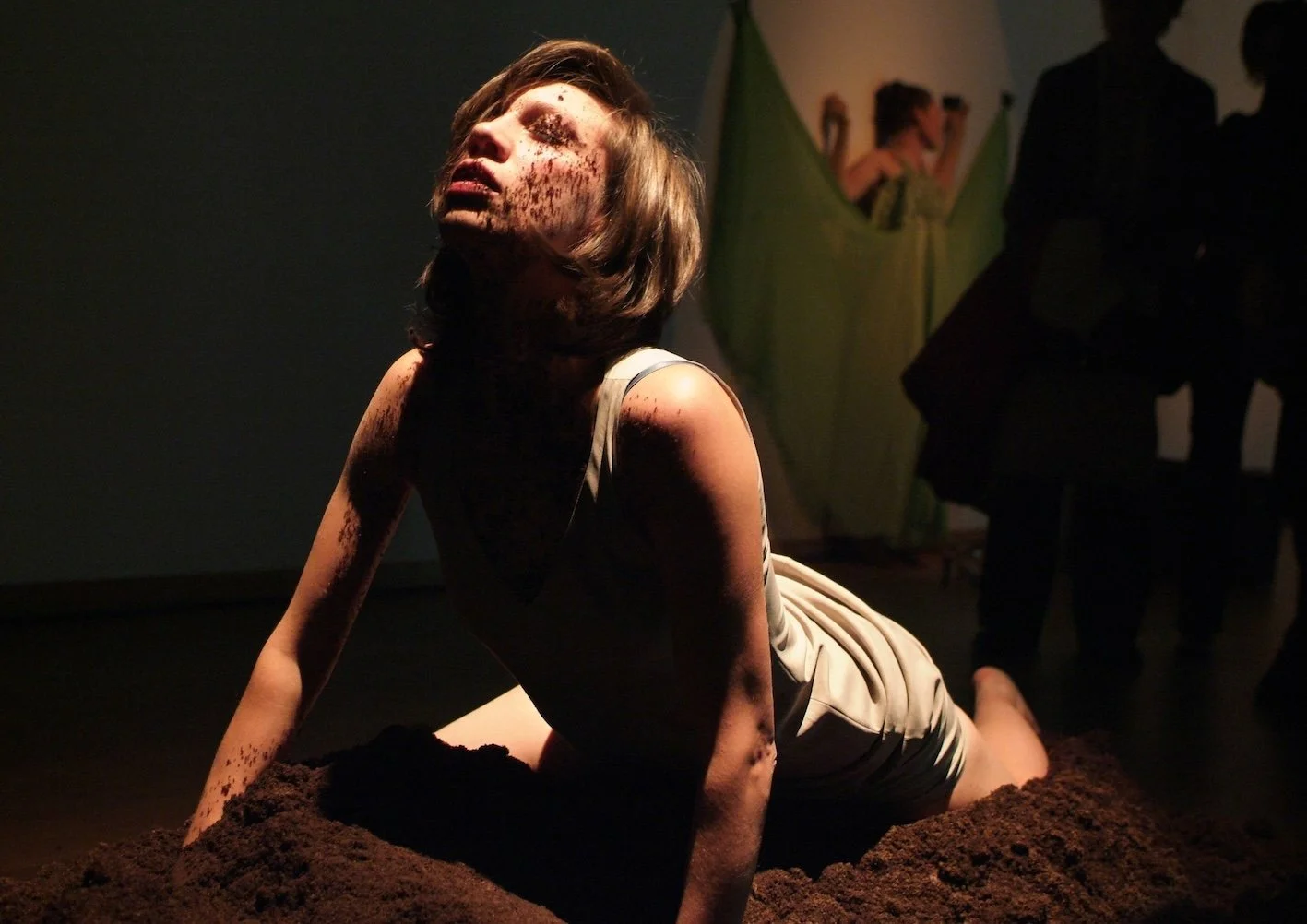
Françoise Berlanger, Caroline Daish in Finale (Brussels, 2005). Photo by Antoinette Chaudron.

Robert, Cleber in Finale (Rio de Janeiro, 2003). Photo by Luiz Fernando Lobo.

André Masseno, Carla Esperanza Tommasini in Grand Finale (London, 2007). Photo by Luiz Fernando Lobo.

Unidentified performer in Finale (Rome, 2004). Photo by Angela Larotonda.
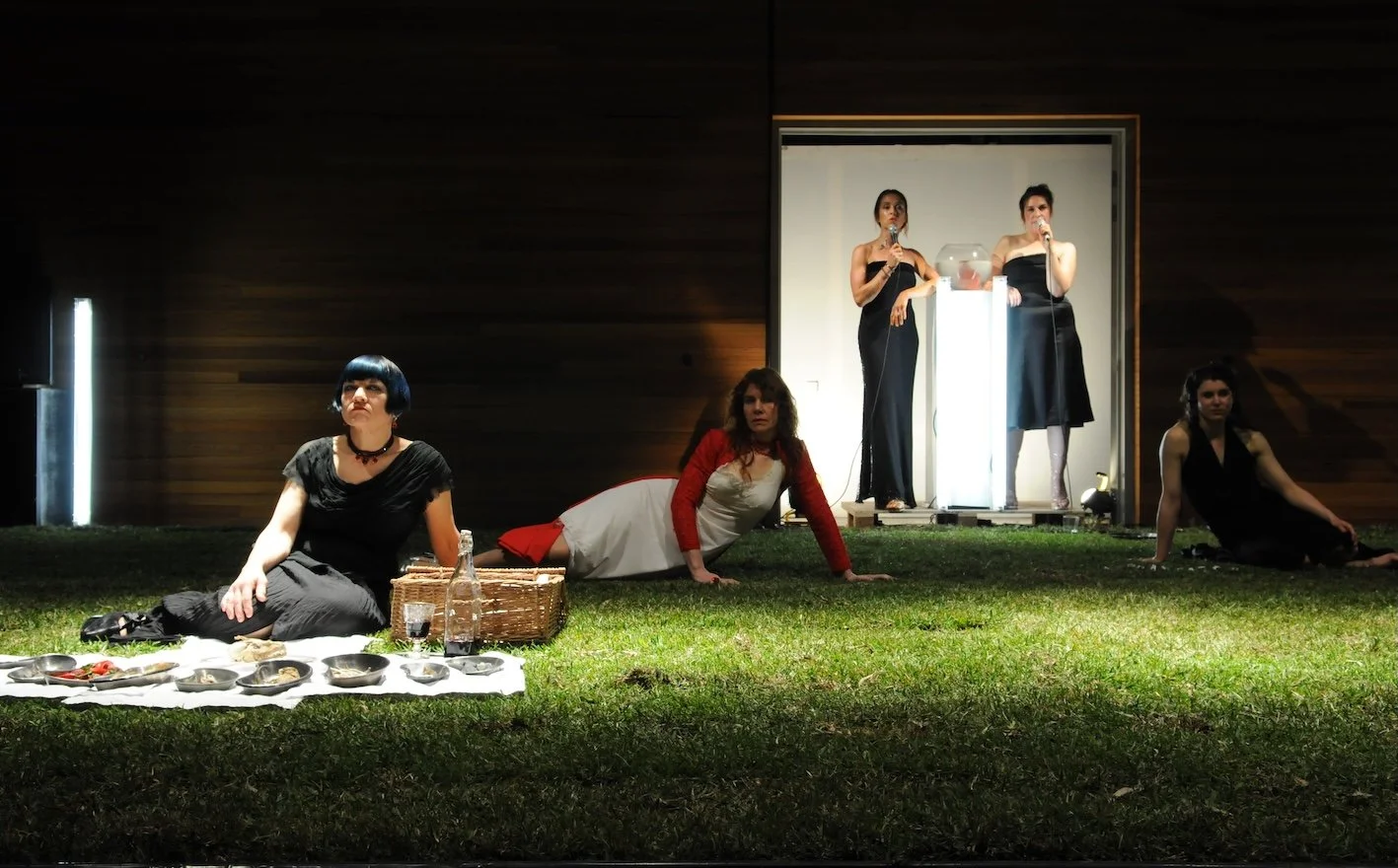
AnA, Julie, Kathy, Sheila, Georgie in Finale (Sydney, 2008). Photo by Heidrun Löhr.
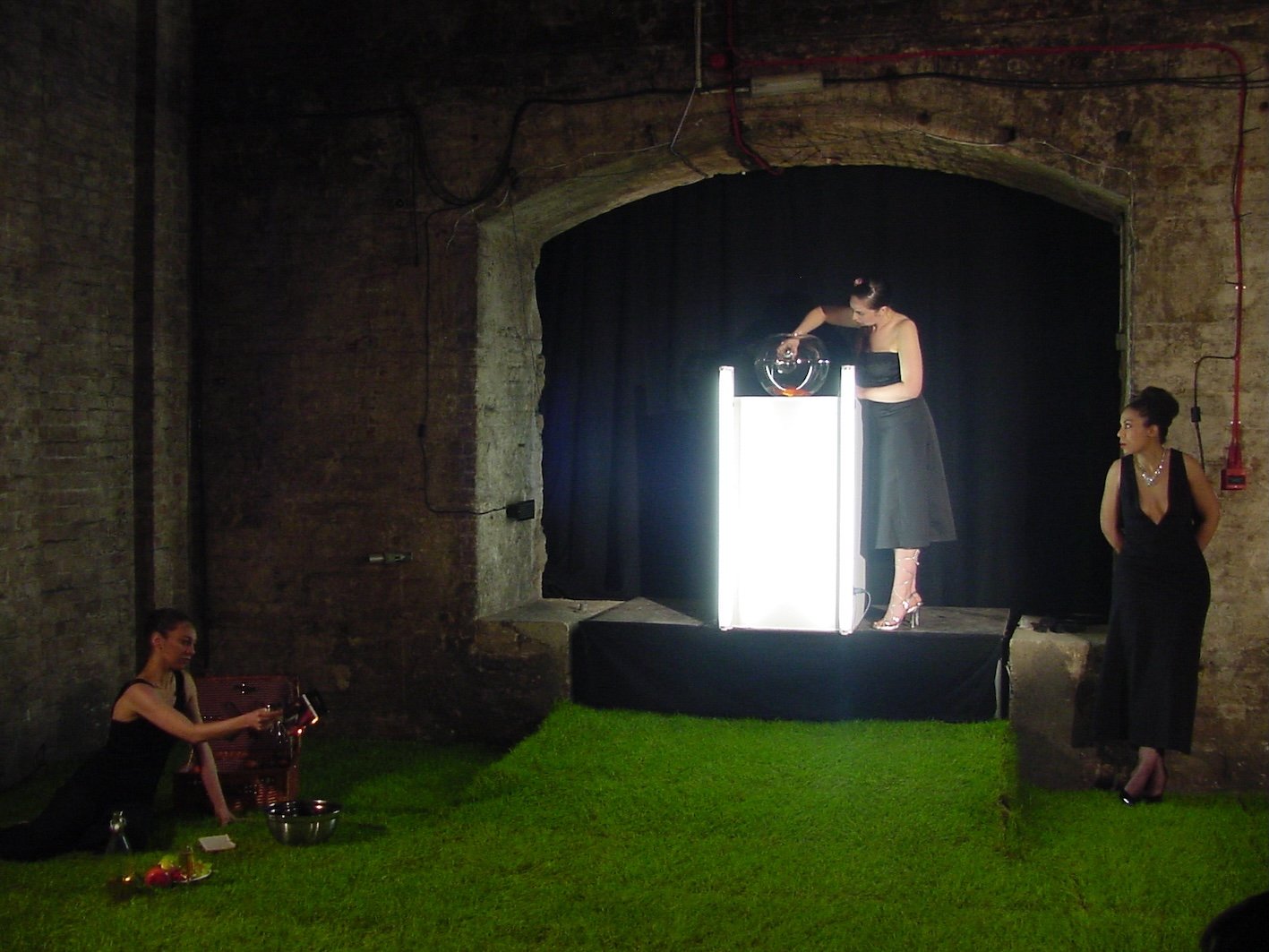
Françoise, Sheila, Val in Grand Finale (London, 2007). Photo by Luiz Fernando Lobo.

André, Sylvain in Grand Finale (London, 2007). Photo by Luiz Fernando Lobo.
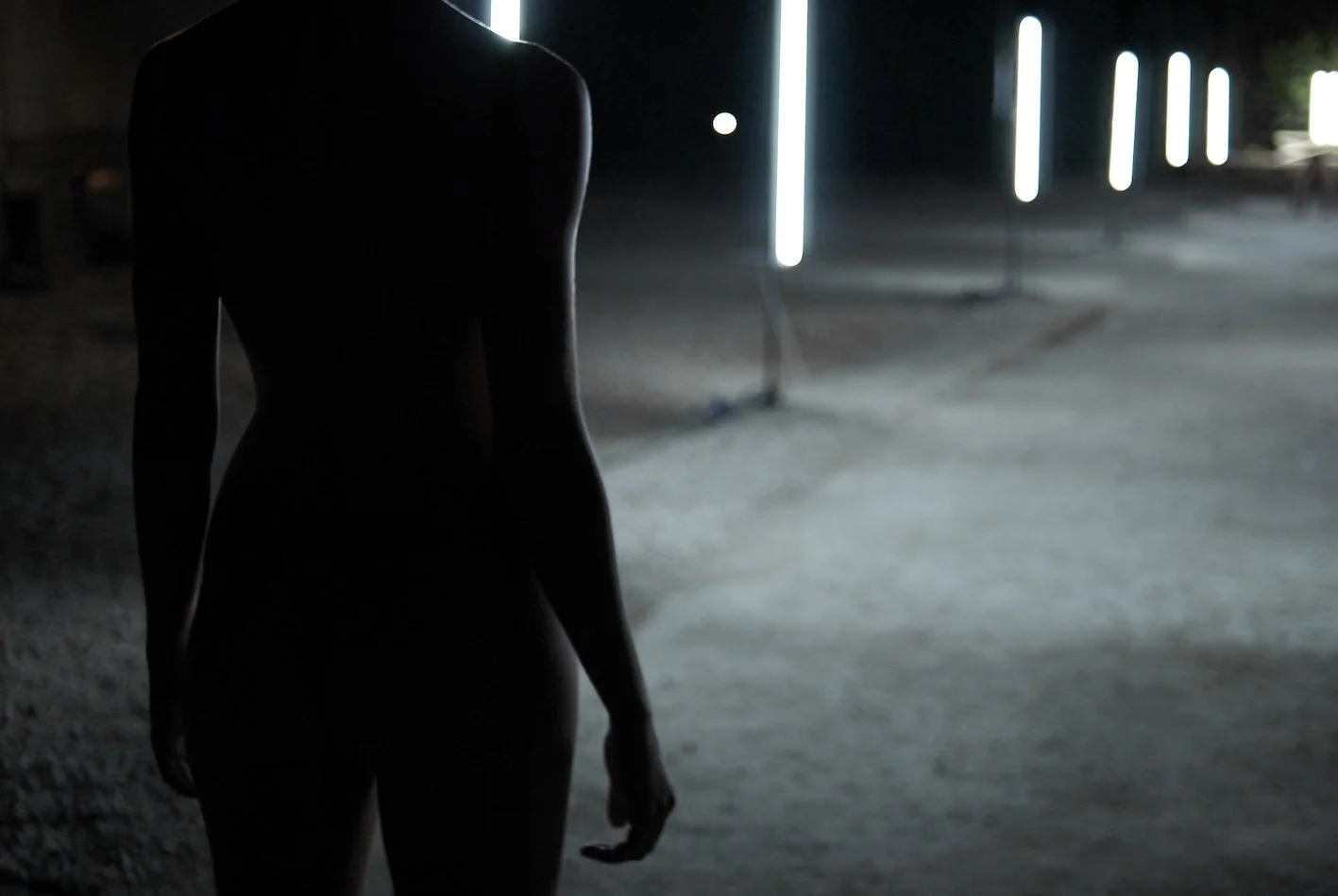
Unidentified performer in Finale (Rome, 2004). Photo by Angela Larotonda.
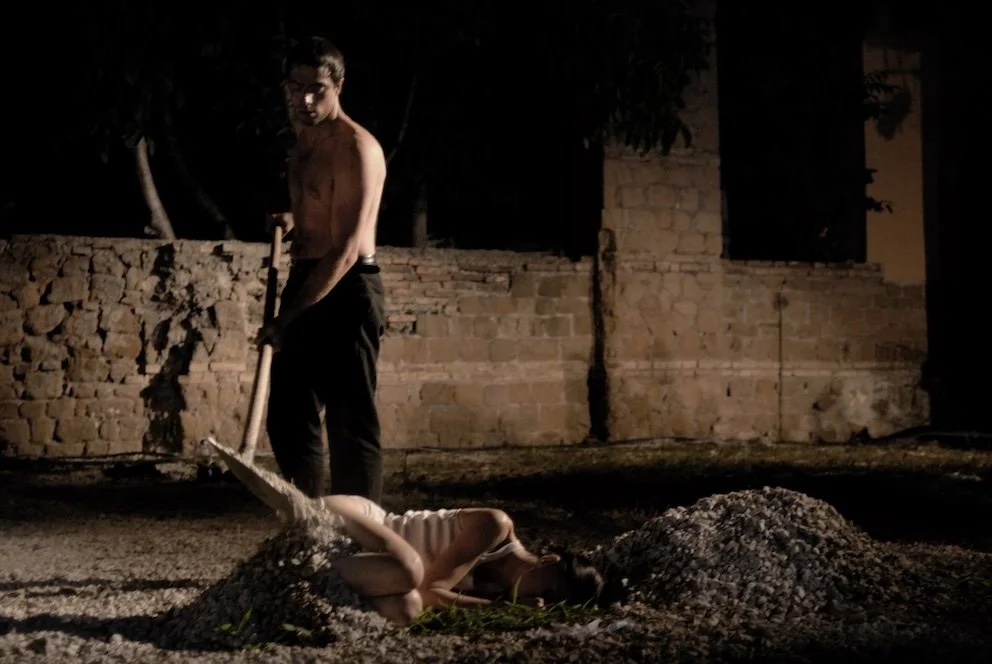
Milo Adami, unidentified performer in Finale (Rome, 2004). Photo by Angela Larotonda.
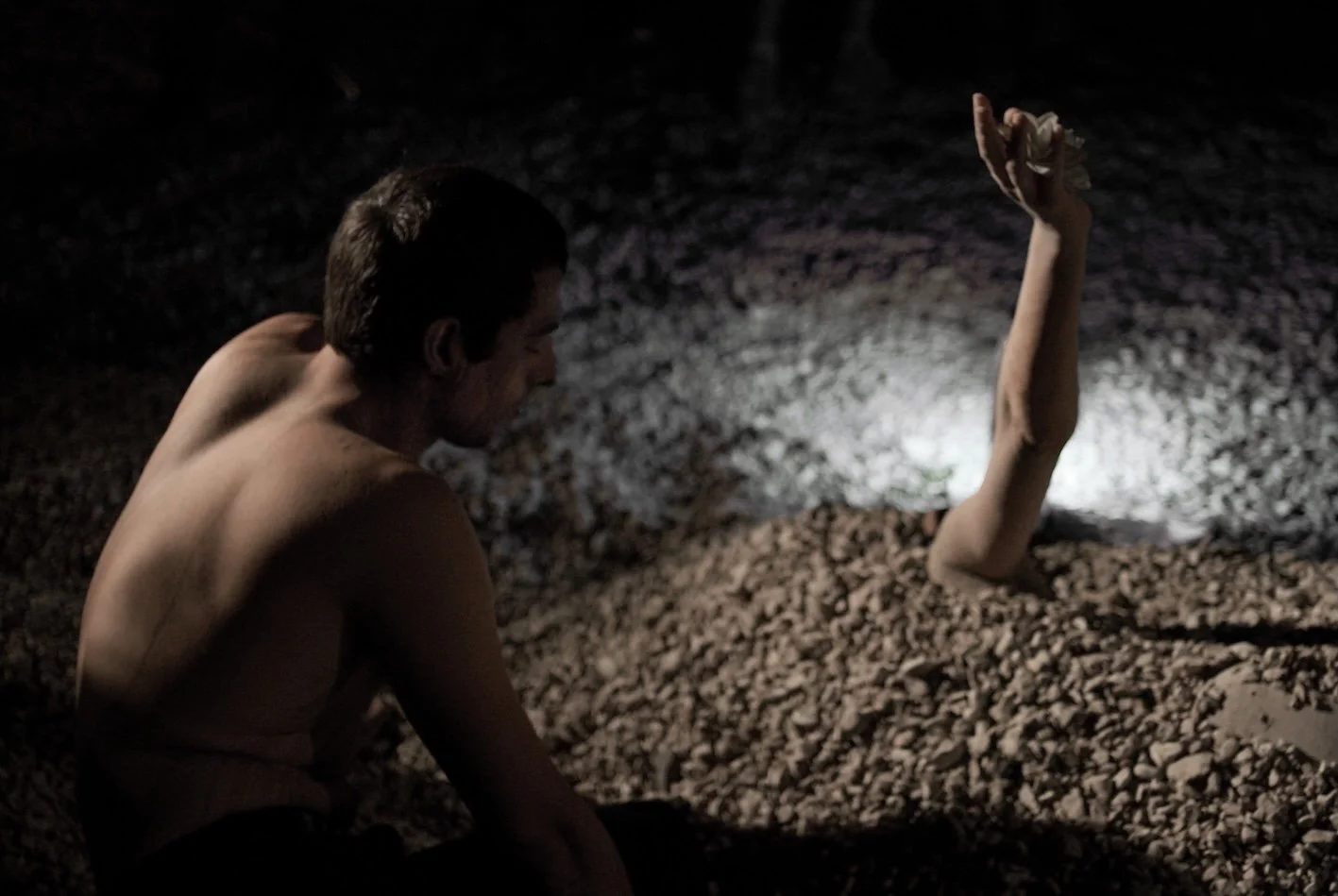
Milo Adami, unidentified performer in Finale (Rome, 2004). Photo by Angela Larotonda.
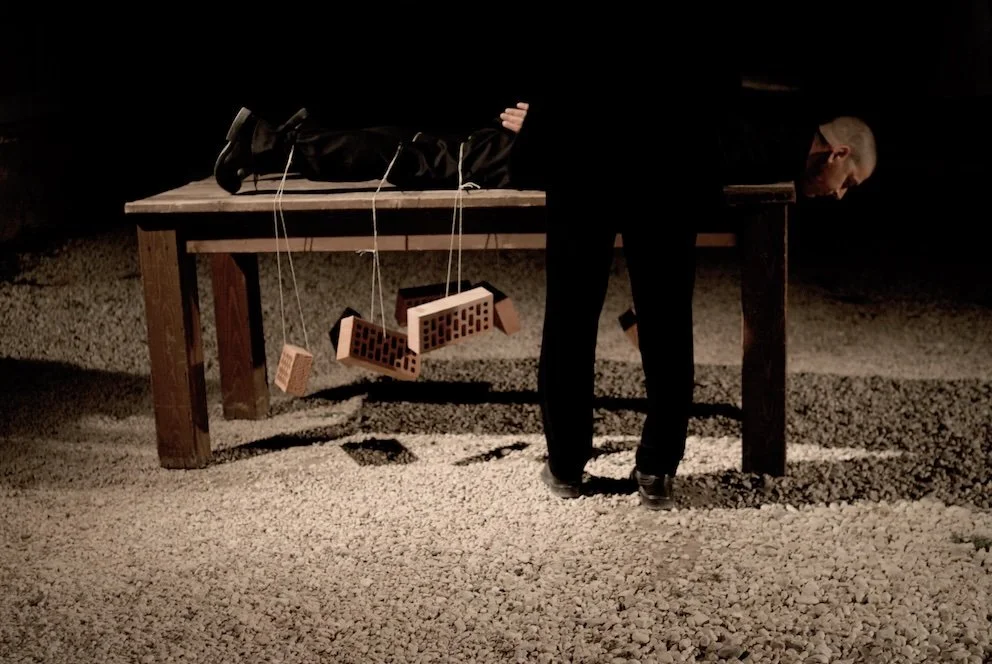
Robert, Richard in Finale (Rome, 2004). Photo by Angela Larotonda.
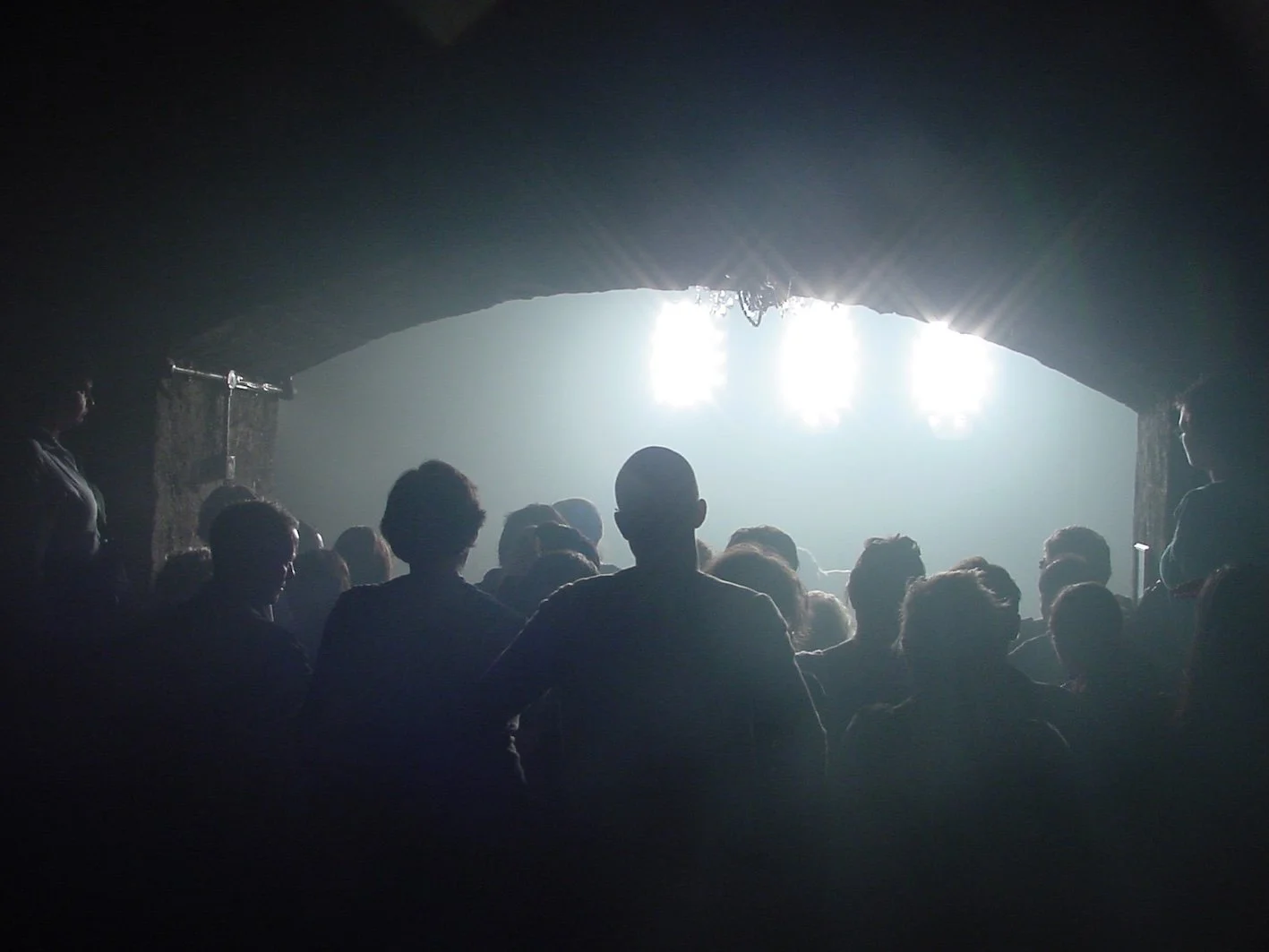
Grand Finale (London, 2007). Photo by Luiz Fernando Lobo.
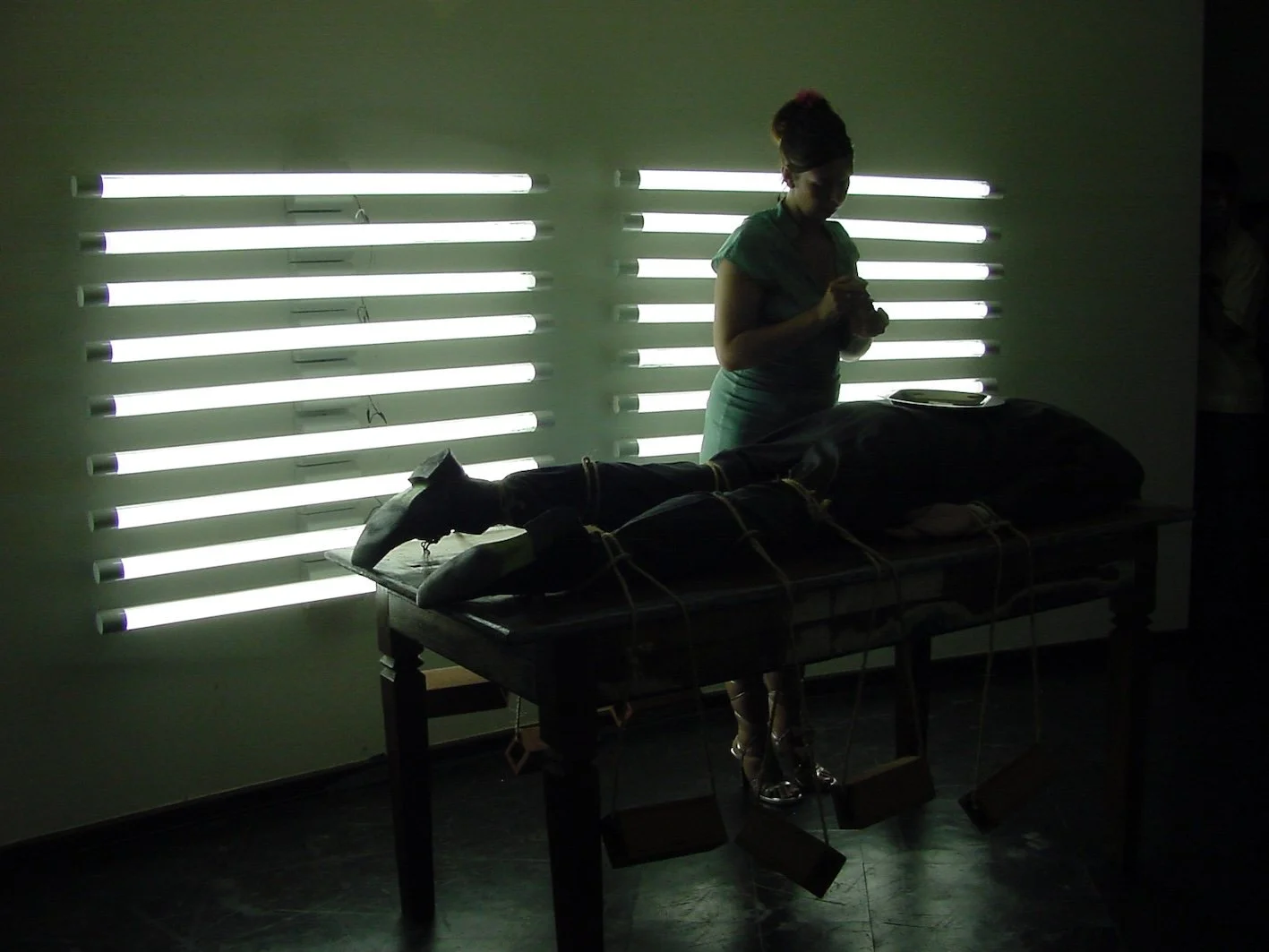
Sheila, Robert in Finale (Rio de Janeiro, 2003). Photo by Luiz Fernando Lobo.
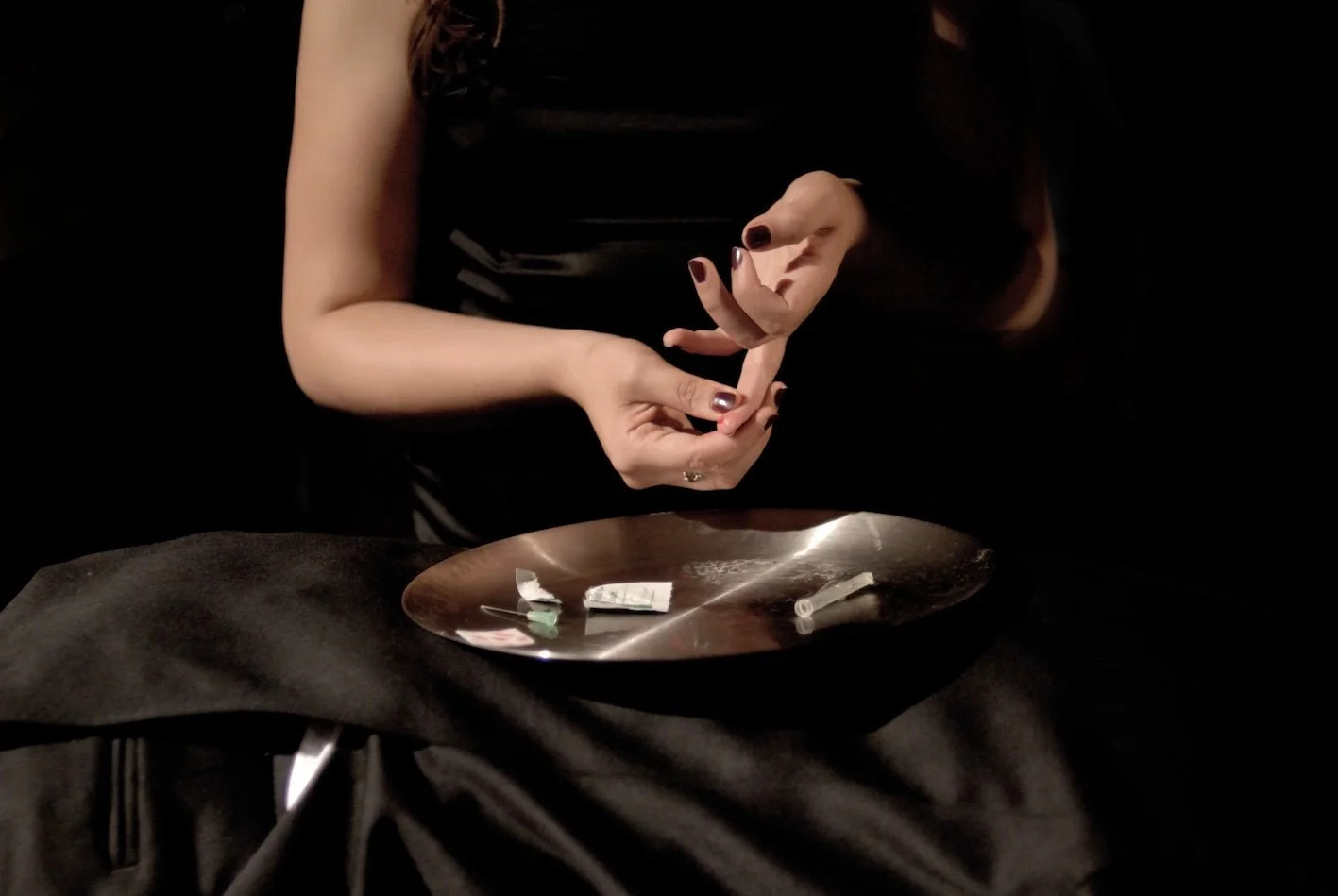
Sheila in Finale (Rome, 2004). Photo by Angela Larotonda.
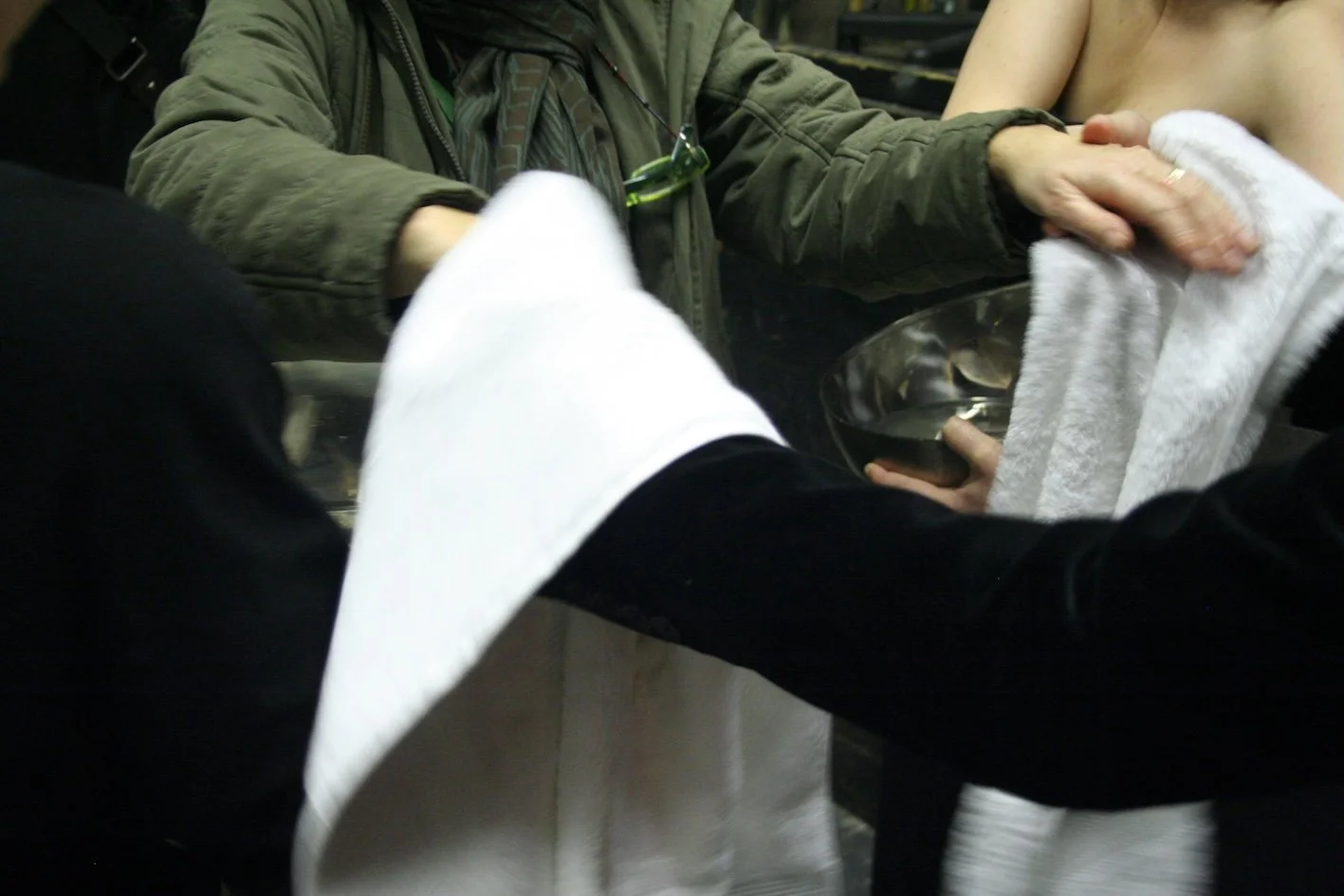
Audience hand washing Finale (Huddersfield, 2008). Photo by Memhet Ali.
CREDITS
Theatre Premiere: May 2001
Place: Ovalhouse, London
Duration: 60 minutes
Site-specific Premiere: 23 - 25 September 2003
Place: The Galleries of Justice, Nottingham
Duration: 80 minutes
Concept and direction: Robert Pacitti
Commissioned soundtrack: Velma
Co-devisers, performers (2001): Marisa Carnesky, Richard Eton, Sheila Ghelani, Robert Pacitti
Site specific remakes (2003 - 2009) co-devisers, core performers, workshop leads: Richard Eton, Sheila Ghelani, Robert Pacitti
Special guest artists: Aileen Shaw, Alessandra Roca, Alex Cassel, Alexandro David, Alice Anselmi, AnA Wojak, André Masseno, Annette Tesoriero, Anthony Sourdeau, Antonia Zenkevitch, Ari Erlich, Ben Myers, Berenice Xavier, Bruno de Oliveira, Bruno Williams, Carla Esperanza Tommasini, Carlos Gomez, Caroline Daish, Cecile Cozzolino, Christina Flores, Claudia Donzelli, Cláudia Muller, Cleber do Oliveira, Corinne Bertrand, David Faulkner, Deniz Unal, Elena Borgatti, Elvira Frosini, Emanuelle Vincent, Enzo Pancani, Eve Bonneau, Felipe Rocha, Flávia Meirellos, Françoise Berlanger, Francoise Orsoni, Gabriel Walsh, Gaynor Evelyn Sweeney, Georgie Read, Gideon Payten-Griffiths, Giorgio Carugno, Gwen Berrou, Hannah Williams, Heather Uprichard, Helen Terry, Isabella Di Cola, Jason Sweeney, Ju Row-Farr, Julie Vulcan, Kathy Cogill, Katie Doubleday, Keryn Wise, Kira Carden, Latai Taumoepeau, Laura Sampedro, Livia De Paolis, Louise Amor, Luke Ferris, Marco di Marino, Maria Alice Motta, Marie Angibaud, Marie-Luce Bonfanti, Marisa Carnesky, Marit Nissen, Martina Moor, Mauro Arrighi, Michaela Stella Bagnoli, Milo Adami, Natasha Davis, Paolo Rossi, Pinar Ogun, Priya Mistry, Ran Shebang, Richard Hancock, Roberta Cesca, Roger O'Hara, Sam Rose, Sara Allkins, Sara Davies, Silvia Benvenuto, Silvia Gatto, Simona Senzacqua, Sonia Rickli, Stefanio Seguin, Sylvain Reymond, Teik-Kim Pok, Tina Carter, Traci Kelly, Tuca Moraes, Ula Lukawska, Valerie Renay, Victoria Firth, Victoria Pratt, Vincenzo Manna, Vivian Cáfaro.
Technical: Amy Olds, Jae Forrester, Marty Langthorne, Mark Webber
Light wall special: Justin O’Shaughnessy and Hoop
Administration: Kirsty Mackenzie, Michael White, Daniela Paolucci
Photography: Angela Larotonda, Antoinette Chauldron, Heidrun Lohr, Luiz Fernando Lobo, Memhet Ali, Michael White, Robert Pacitti
Video: Alberto Gambato, Anne Closet, Bobby Whittaker, Claudio Ciummo, Fabrizio Di Carlo, Francesca Martinelli, Gijs Andriessen, Lisa Cazatto-Vieyra, Manuel Vason, Michael White
Producer: Pacitti Company
Production and tour funding: Arts Council England
Supported by: Accademia degli Artofatti, Rome; Arnolfini, Bristol; Australia Council; Bluecoat, Liverpool; Bonnington Gallery, Nottingham; BOZAR (Palais des Beaux-Arts), Brussels; British Council; CIFAS, Brussels; Colchester Arts Centre; Fierce Festival, Birmingham; Galleries of Justice, Nottingham; Instituto Itaú Cultural, São Paulo; Lawrence Batley Theatre, Huddersfield; Lyric Hammersmith, London; Old Toxteth Reservoir, Liverpool; Ovalhouse, London; Panorama Festival, Rio de Janeiro; Performance Space, Sydney; SESC Copocabana; Short Theatre, Rome; Shunt Vaults, London; SPILL Festival of Performance, London; Teatri delle Mura, Padova; Teatro India, Rome; Theatre Arsenic, Lausanne; Trouble Festival, Brussels.