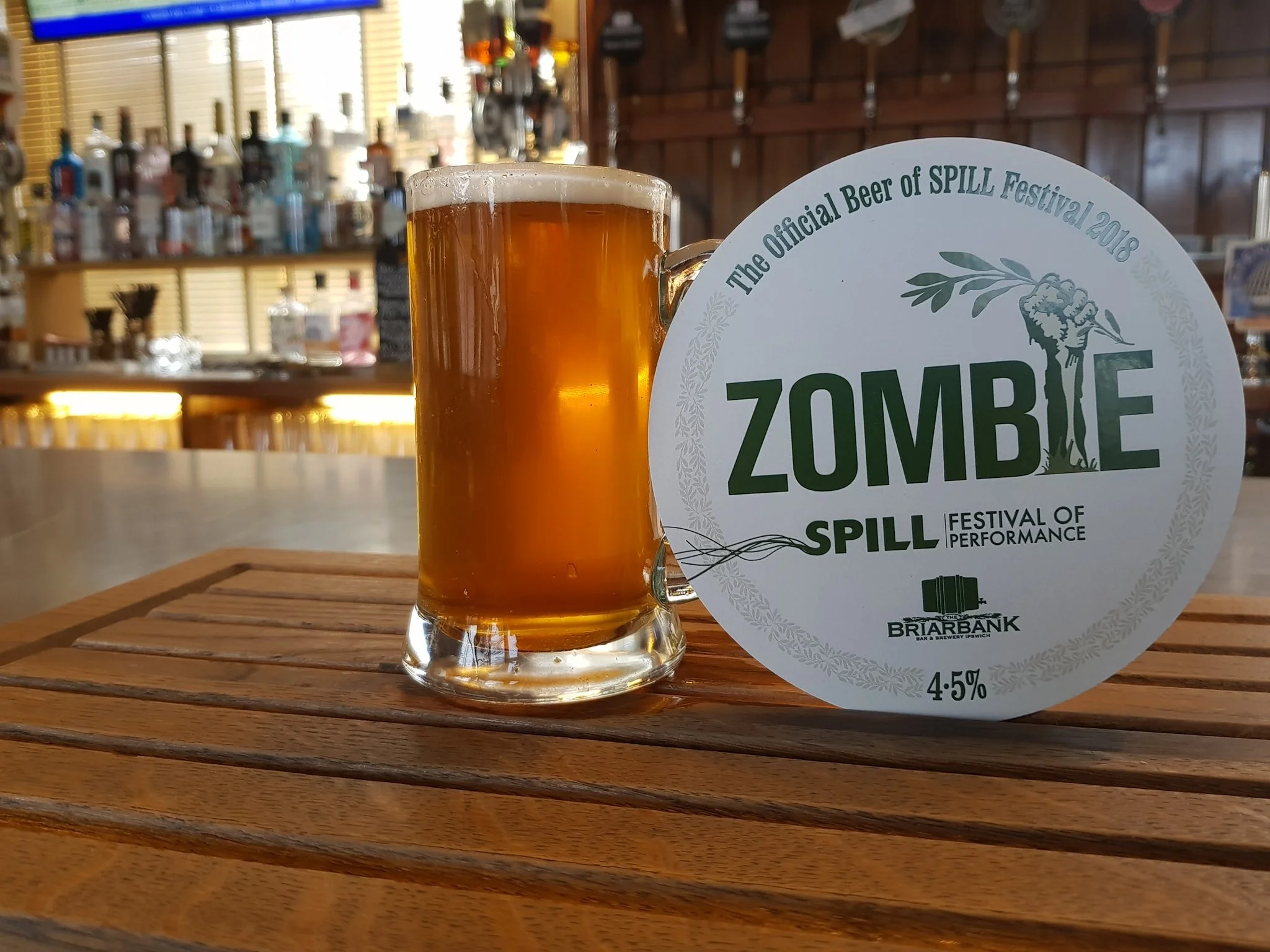
Zombie (2018) onsite at Briarbank. Photo by Dan Thomas.
ZOMBIE
(2018)
Death • Community • Talking • WellbeingZombie was the official beer of SPILL Festival 2018. The project was created and researched by Robert Pacitti and archaeologist, landscape historian and Think Tank Associate Lucy Walker. It was then expertly crafted as a beer by Robert Pyke at Briarbank Brewery in Ipswich. During the festival the beer was available at sites across the town, sold with the tagline, ‘Try a Zombie this SPILL - it really is a no-brainer.’
Zombie was developed as part of The Art and Science of Living and Dying, a Pacitti Company research strand interrogating how we might speak more openly about death and our emotional responses to it in the UK. Zombie was designed to target adult men, a group often cited as hard to engage in talking openly about dying. Zombie delivered a beer made in partnership with a trusted local brewer, then served in public spaces where gentle conversations about death and dying could be encouraged.
Zombie was also a device to explore thinking around rot, decay and renewal - in this instance through fermentation. Flavoured with local herbs that the Ancients would have used for embalming, and therefore granting eternal life, Zombie was a playful way to get more people speaking meaningfully about our end-of-life choices.
RESEARCH
Brewing is as old as civilisation itself, with roots reaching back nearly 5,000 years. No one knows exactly how it first began, but traces of ancient beer have been found in Egyptian tombs, offering a glimpse into its early role in society. For the Egyptians, beer wasn’t just a drink - it was a gift from the gods. Hathor, Osiris, Ra and others were believed to guide the process, and temples became some of the earliest breweries. That sacred connection to brewing didn’t end there; for centuries, religious communities across the world continued the tradition of making beer.
There was a time when Saxon and medieval Ipswich was second only in importance to London. The town was a vital conduit for the exchange of goods, people and ideas between England and Europe. Beer was a significant commodity in medieval Ipswich, being made, exported and imported to and from this North Sea world. As trade travelled back and forth, so too did traditions and influences from different regions. In Flanders, for example, the main brewers were women, and beer was made as part of the family's food.
In his book, Late Medieval Ipswich - Trade and Industry (The Boydell Press, 2011), Nicholas R. Amor mentions hops from the Anglo-Saxon period found in an archaeological pit in Ipswich. He also writes that documents suggest that, at one point, Ipswich burgesses were drinking twice as much as those in nearby Colchester. This local brewing practice is further corroborated by Mark McKarracher in his book, Farming Transformed in Anglo-Saxon England - Agriculture in the Long Eighth Century (Windgather Press, 2018), in which he also cites hops and herbs found in archaeological pits in Ipswich.
Drawing on these ancient, Anglo-Saxon and medieval traces, Zombie was flavoured with sage - from the Latin salvia, associated with healing. Originally a Mediterranean plant, sage has been used in Britain from at least medieval times, appearing in recipes by the 14th and 15th centuries and noted for its medicinal and culinary uses. Believed to have properties that aid memory, sage is also a potent antiseptic, antioxidant and natural disinfectant. Along with water, malt barley, hops and yeast, sage helped make Zombie a particularly delicious pint.
CREATING THE BEER
Excerpt from RP notebook
Briarbank, July 2018
'Ingredients: water, malt barley*, hops, yeast, sage
Stage One > The Hot Liquor Tank -
Heats straight from tap. For more mellow taste you’d treat the water. Potassium sulphite added at this stage to remove any chlorine added by water company. Gas is released so a fan and vent on top goes to outside. This tank is heated around 70 degrees. Pump interface allows for mixing between tanks without hoses.
Stage Two > The Hot Mash Tank -
Mix malted barley and hot water together. This isn’t heated. Converts starch in barley into sugars, mainly maltose which ferments very easily. This is used at 66 degrees. The less sugar ferments, the less alcohol is produced. Mixed by hand with a big paddle as it falls in. Mixed in for an hour.
*Using 12 different malts - all start as barley which is steeped in warm water, laid out until it starts to germinate, then kilned at different temperatures. Also roast barley and wheat. Most beers have 70% to 100% of base malt, which gives a pale colour and mild flavour. Crystal malt gives redness, chocolate malt could be added to darken.
Stage Three > The Boiler -
After an hour in the mash tub the liquid is drained out. Trying to match the flow out with that of hot water flowing in from top. Ideal 100 percent sugar as keeps costs down. Takes about 2 hours to pump over. Fills to 400 litres. As this is stainless steel it is not called a ‘copper’. Heats to a rolling boil and boiled for another 60 mins.
Then hops are added in (with each having a specific hop recipe). English hops for English beers, American and New Zealand hops more fruity and produce lighter beers. Fuggles is a dried whole-leaf traditional English hop. Bittering hops are in for the full hour helping add bitterness to the beer. Flavour and aroma hops go in for about 15 minutes at the end. Sometimes pellets are used (we smelt Mosaic). Pellets give a slightly higher yield as the pellets turn to dust in the liquid.
Stage Four > The Fermenters -
After the hour the wort is sent over to the fermenters, over a plate chiller, and held inside at 20 degrees. This is done swiftly as you don’t want any material introduced from the air. The quicker you chill the quicker the proteins move together and drop, making a clearer beer. When 20 degrees is hit then the yeast is added. It’s 0% to begin with then starts to ferment and become alcoholic. At this stage it is now technically beer. Use a dried, quite neutral yeast, so if a manufacturer changes the yeast it won’t be so noticeable. Ferments for 4 to 5 days. Check after 4 days to measure against gravity - density reading is a gravity reading - you want to stop it hitting terminal gravity. When it hits the ABV that we want, it’s chilled.
After a couple more days it’s casked or kegged, out the bottom. Inside there is a yeast stand and the clearer beer comes from the top. Kegs are filled to the top and then sealed. They sit in a fridge at around 14 to 15 degrees. We want them to ferment that last bit of sugar. CO₂ is forced back into the beer, which is why fermented beer is flatter and ‘conditioned’ beer is not. If you leave a beer too long in the fermenter it gets flat and starts to lose life. Or if too early, very lively beer which can have an exploding top. Keg beers more forgiving and have CO₂ canisters to force gas into them.
A lot of variables at every stage, it’s all in the recipe. For Zombie, sage will be added at the end of the boil. A lot of oils in sage which could reduce the head on the beer so we need to work around that. Yeast also gives ethanol which is a vapour that can dull flavour if you chill the yeast too quickly and tastes of buttered popcorn. British beers are sweeter as we don’t take it all the way.
A lot of American beers will be taken to a filter tank where it’s flavoured and carbonated. Yeast particles are positively charged, finings (using fish derivatives) are negatively charged, to make the beer clear. Some people don't think a cloudy or hazy beer is as good. Keg changes flavour slightly as it’s colder, so you get more flavour. Zombie will be one filter tanks worth. 8 kegs. 72 litres.’
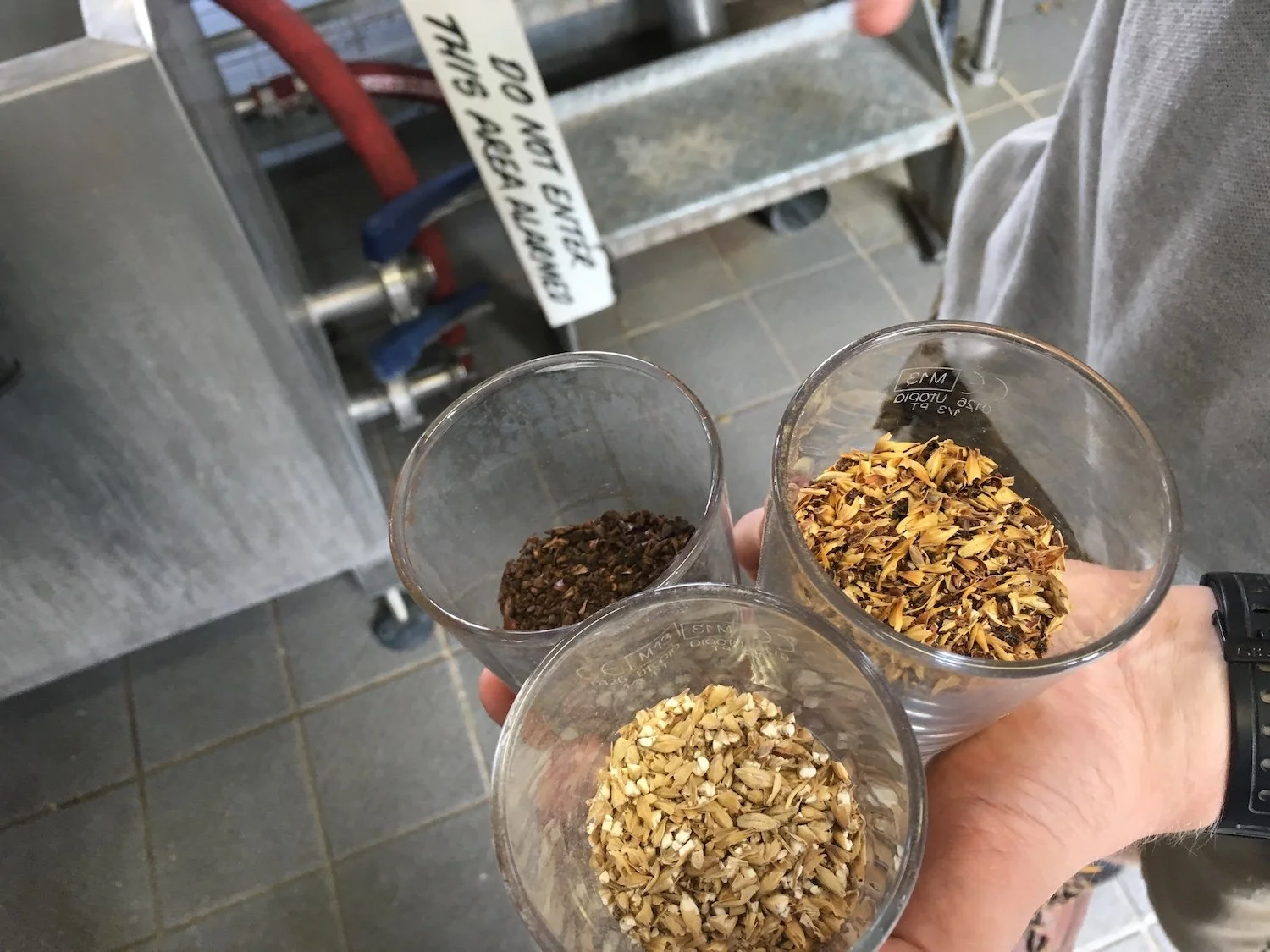
Zombie ingredients, Briarbank Brewery (2018)
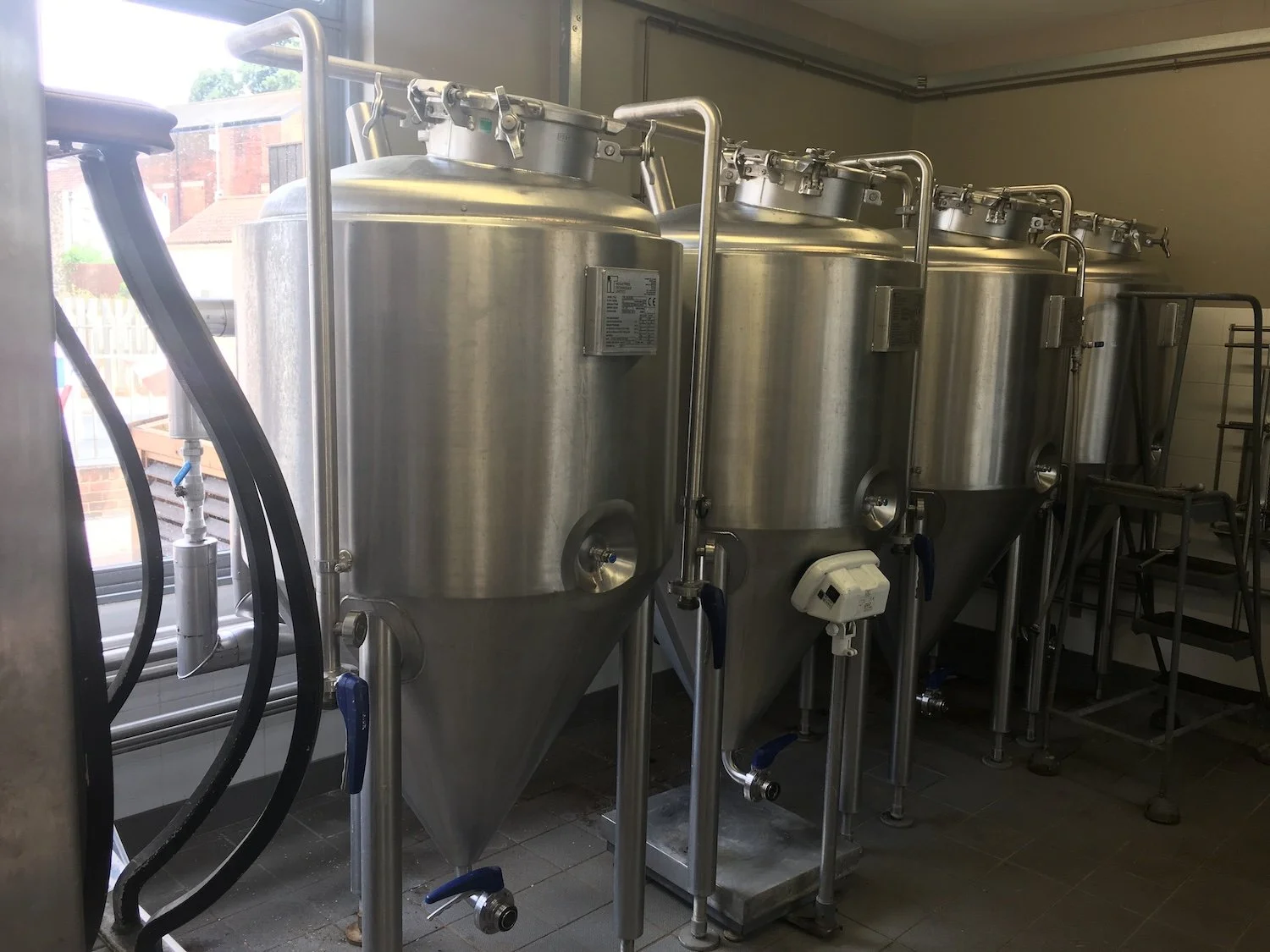
Making Zombie (2018), Briarbank tanks
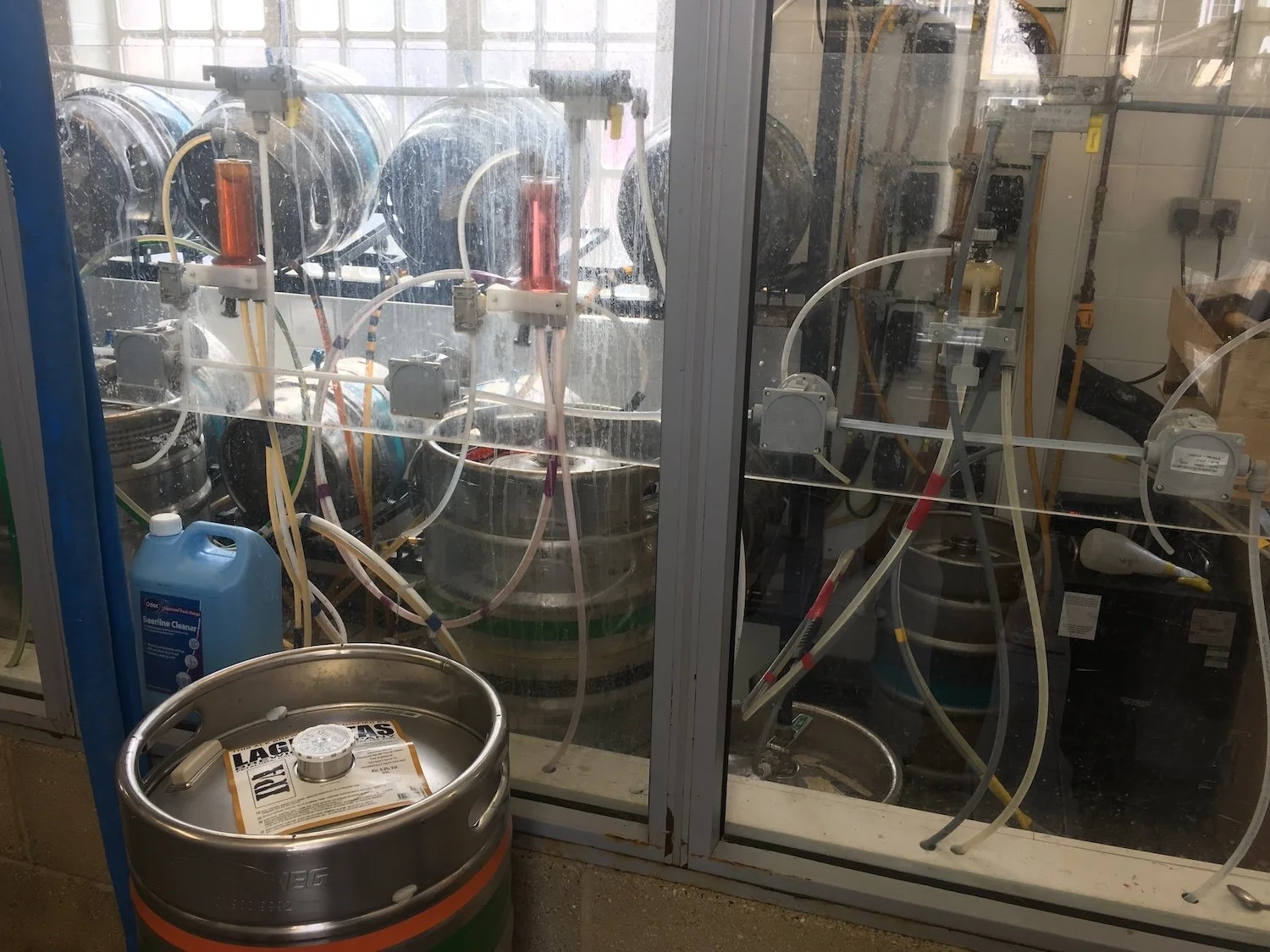
Making Zombie (2018), Briarbank barrels
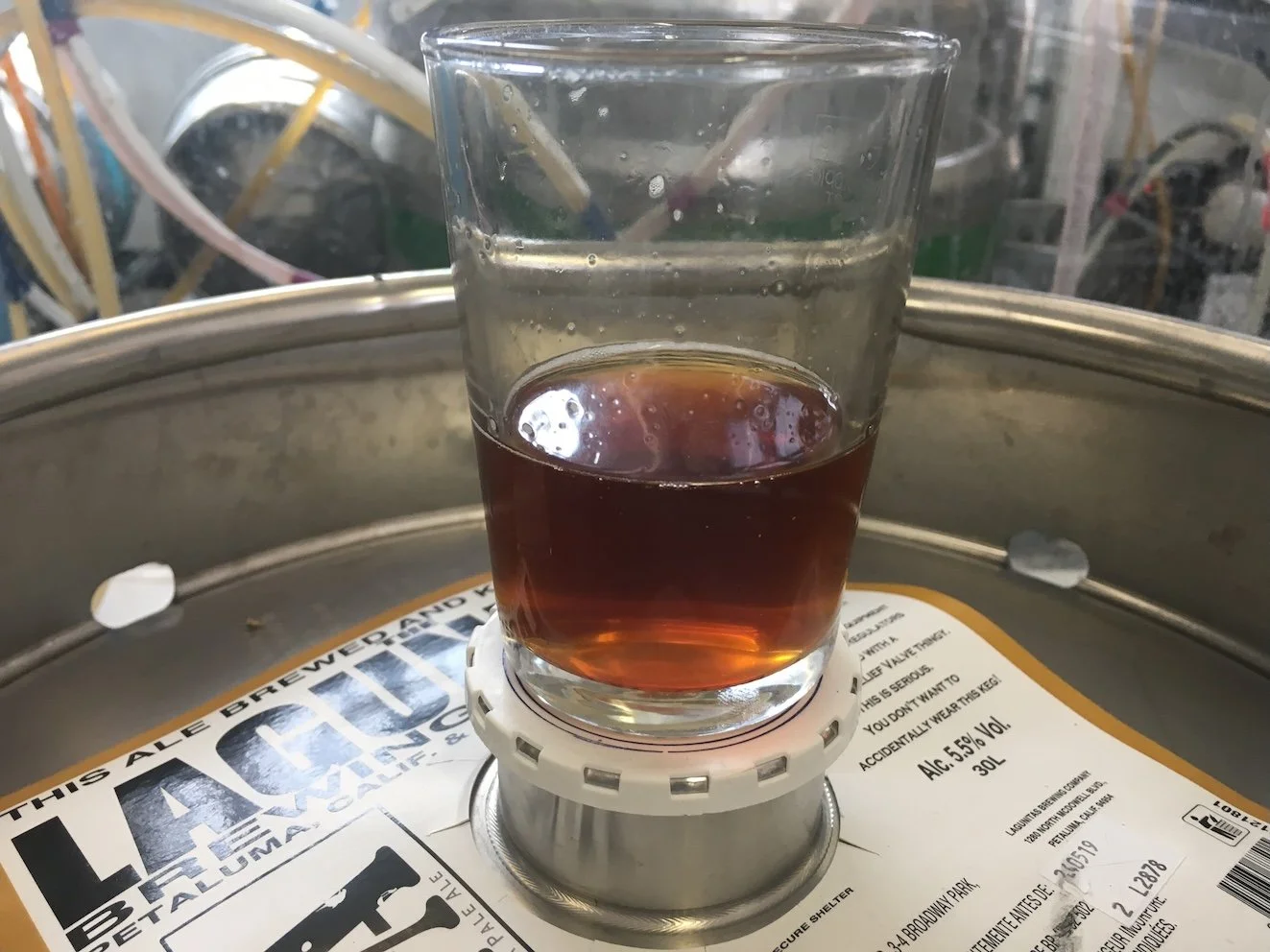
Making Zombie (2018), Briarbank, tasting
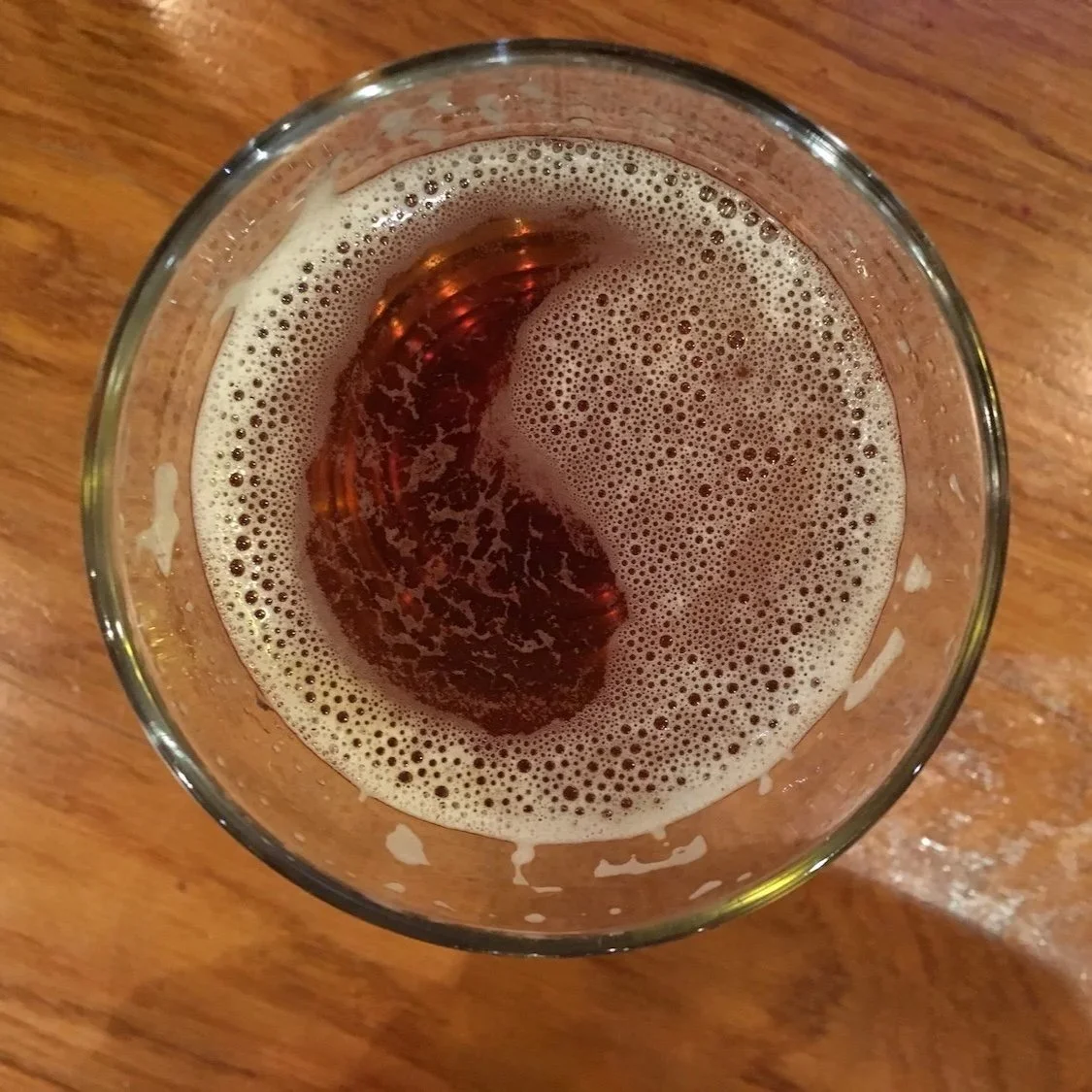
A perfectly balanced pint of Zombie (2018)
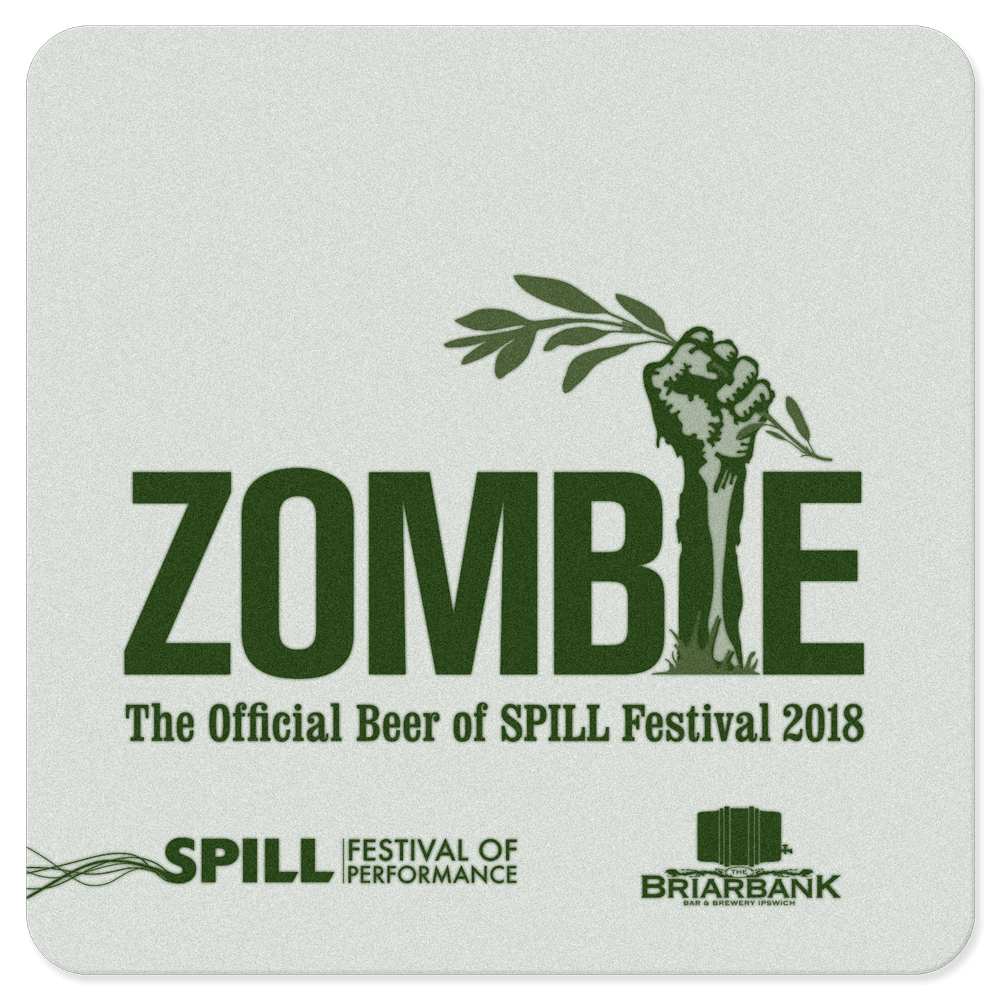
Zombie beer mat - front (2018), design by Come Hither
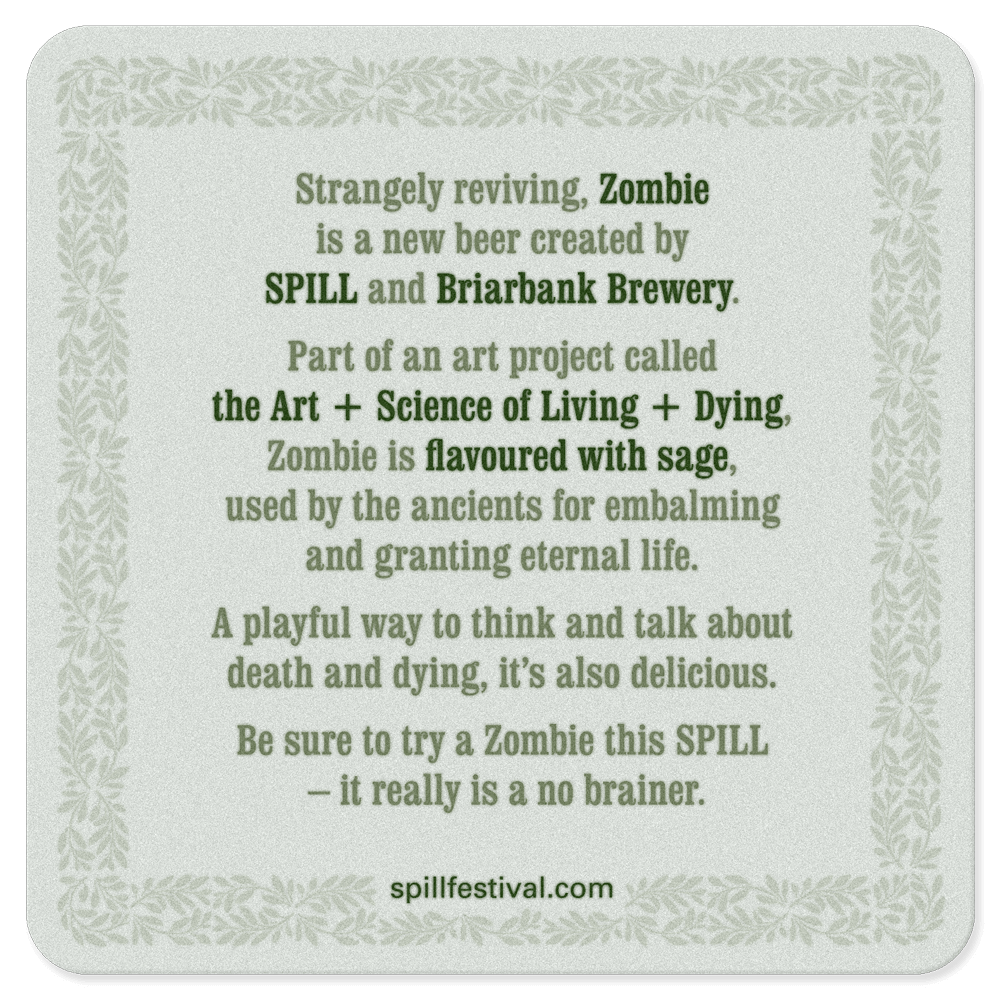
Zombie beer mat - back (2018), design by Come Hither
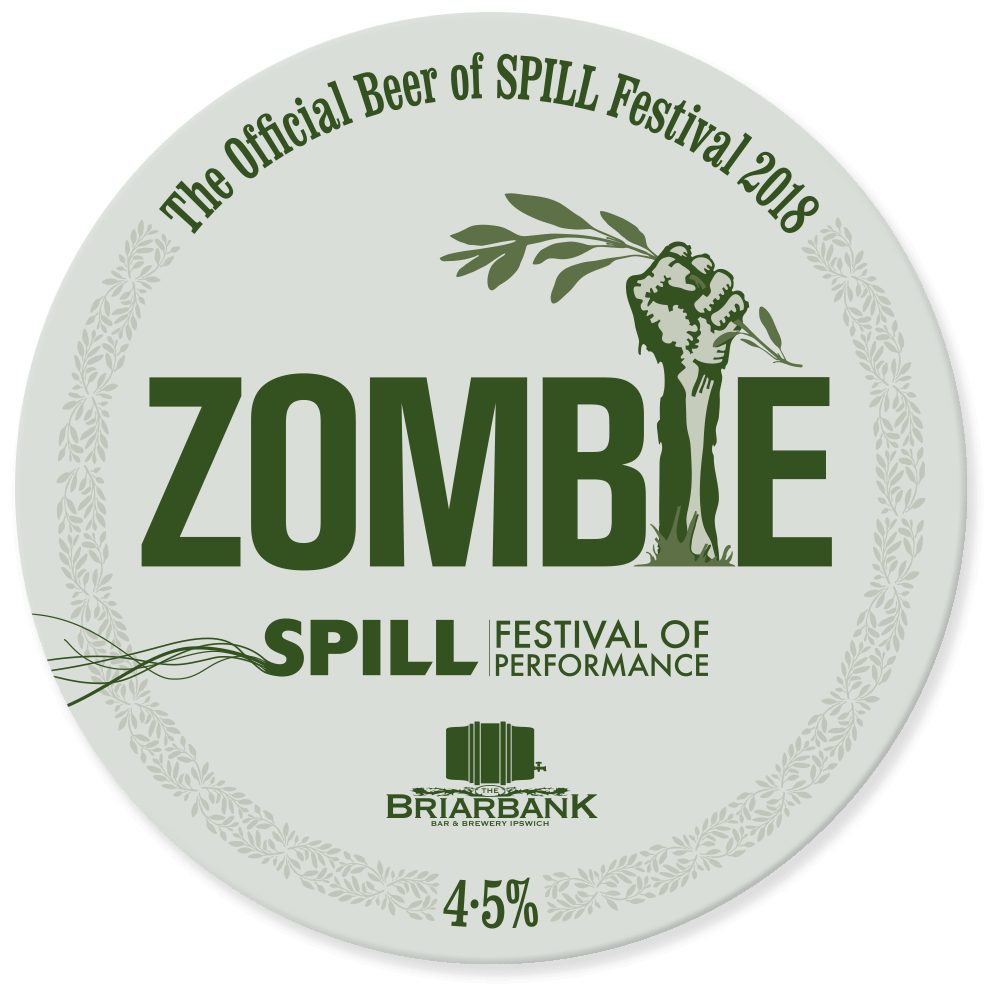
Zombie, keg badge (2018), design by Come Hither
CREDITS
Date: 2018
Duration: 6 months
Place: Ipswich, Suffolk
Concept, research: Robert Pacitti, Lucy Walker
Brewing: Robert Pyke at Briarbank
Context: Part of The Art and Science of Living and Dying Think Tank research
Funding: Pacitti Company core funding, supported by Arts Council England, Ipswich Borough Council, and earned income.
Special thanks to: all at Briarbank and Isaacs