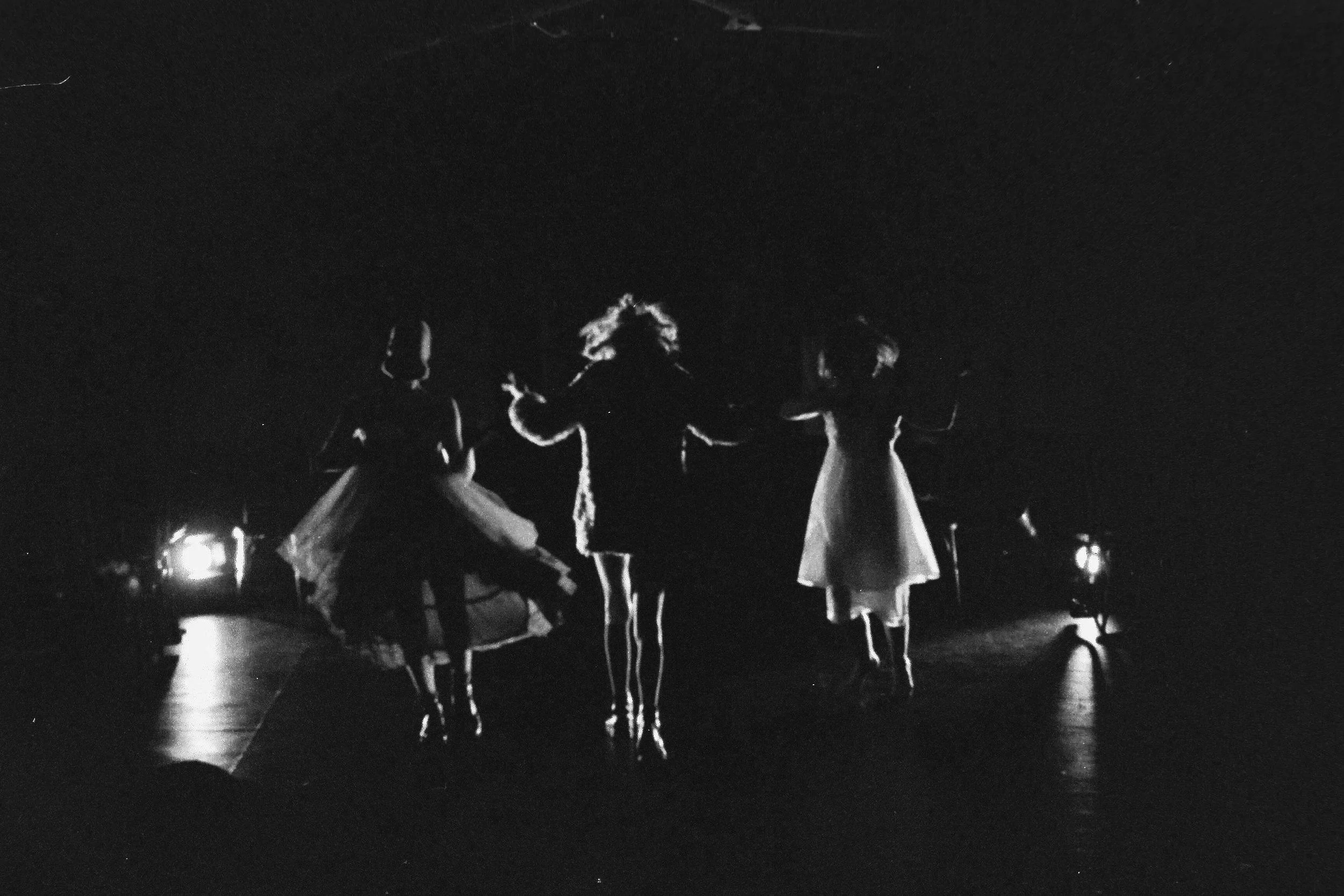
GEEK
(1994)
Group performance • Installation • Activism • Costume
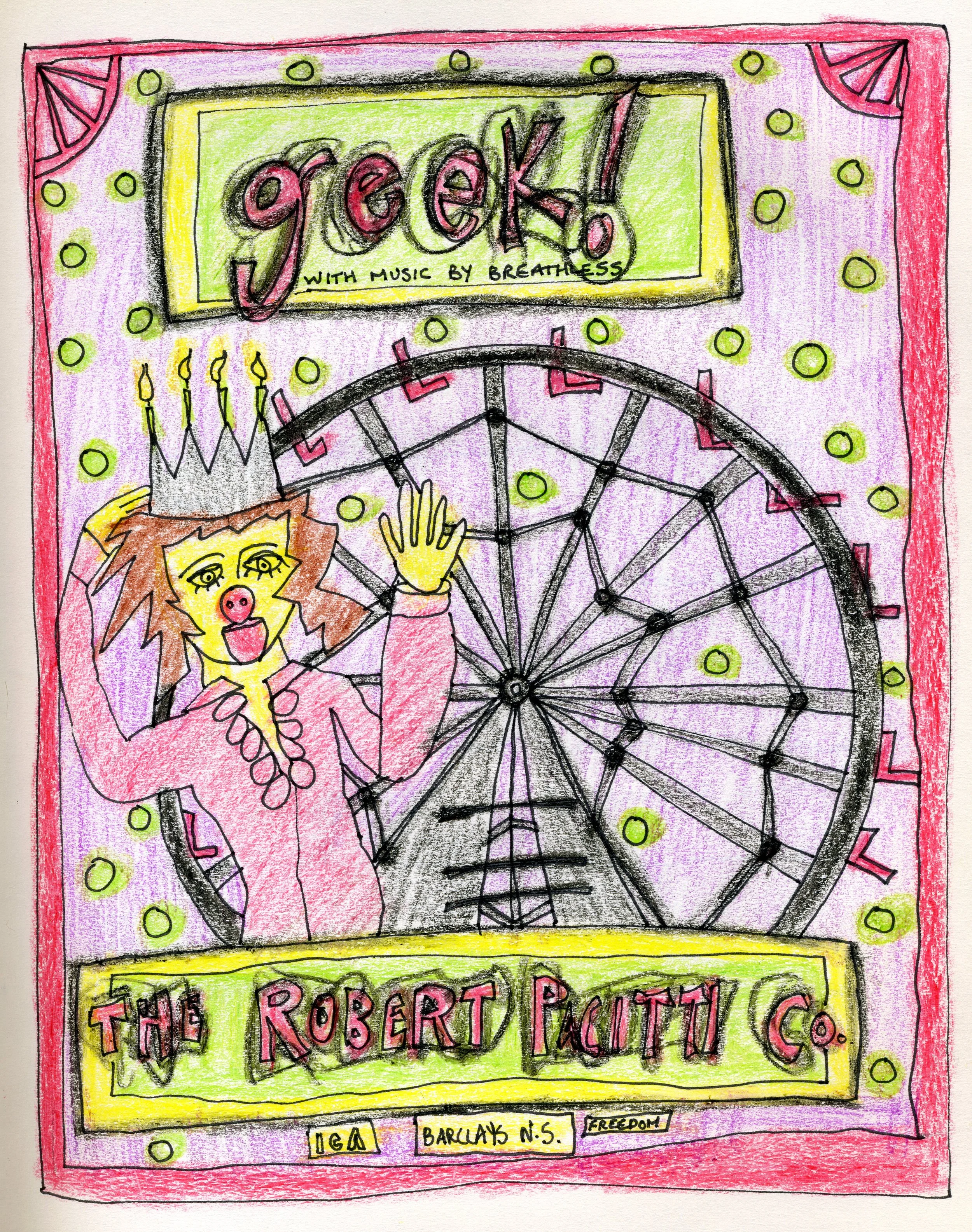
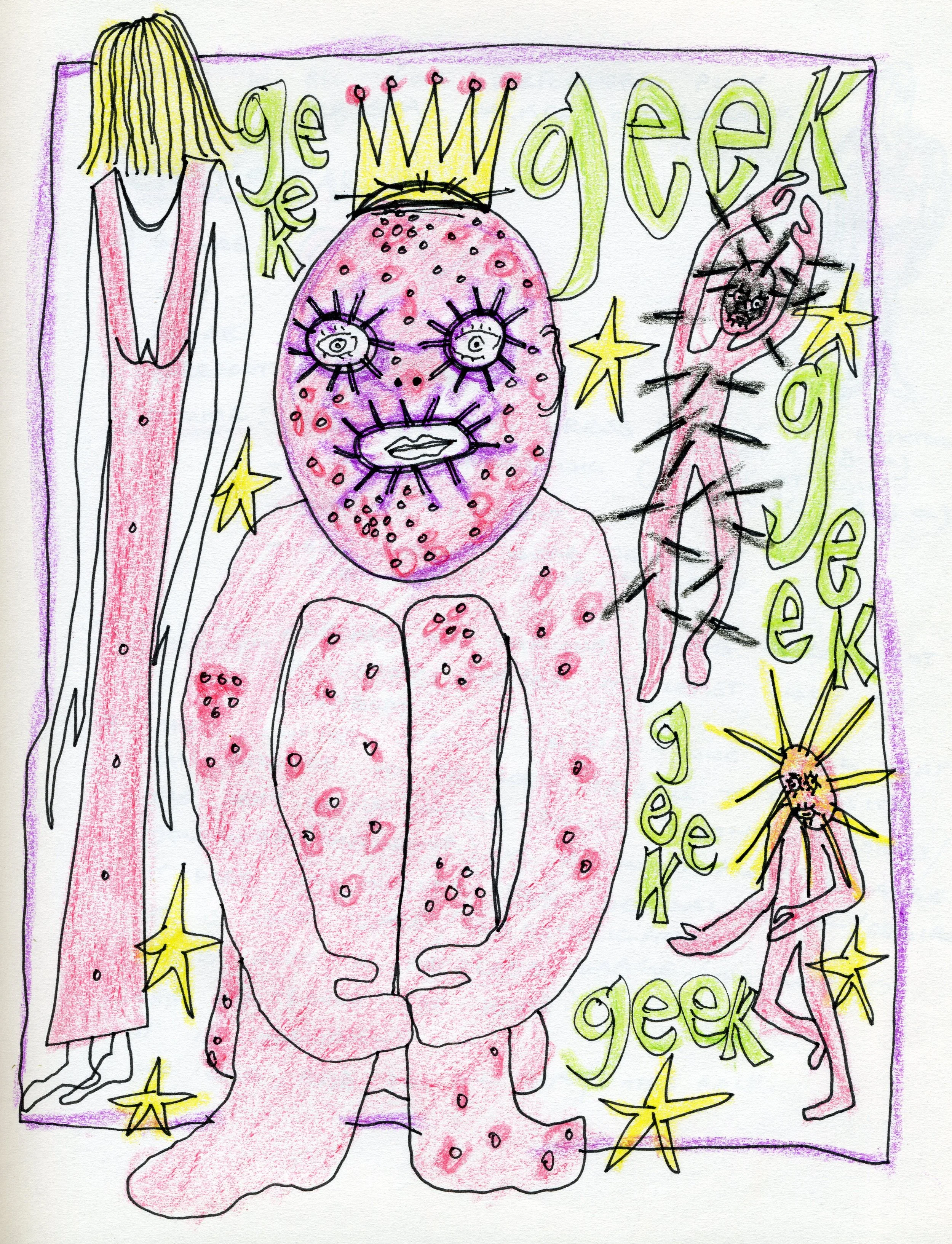
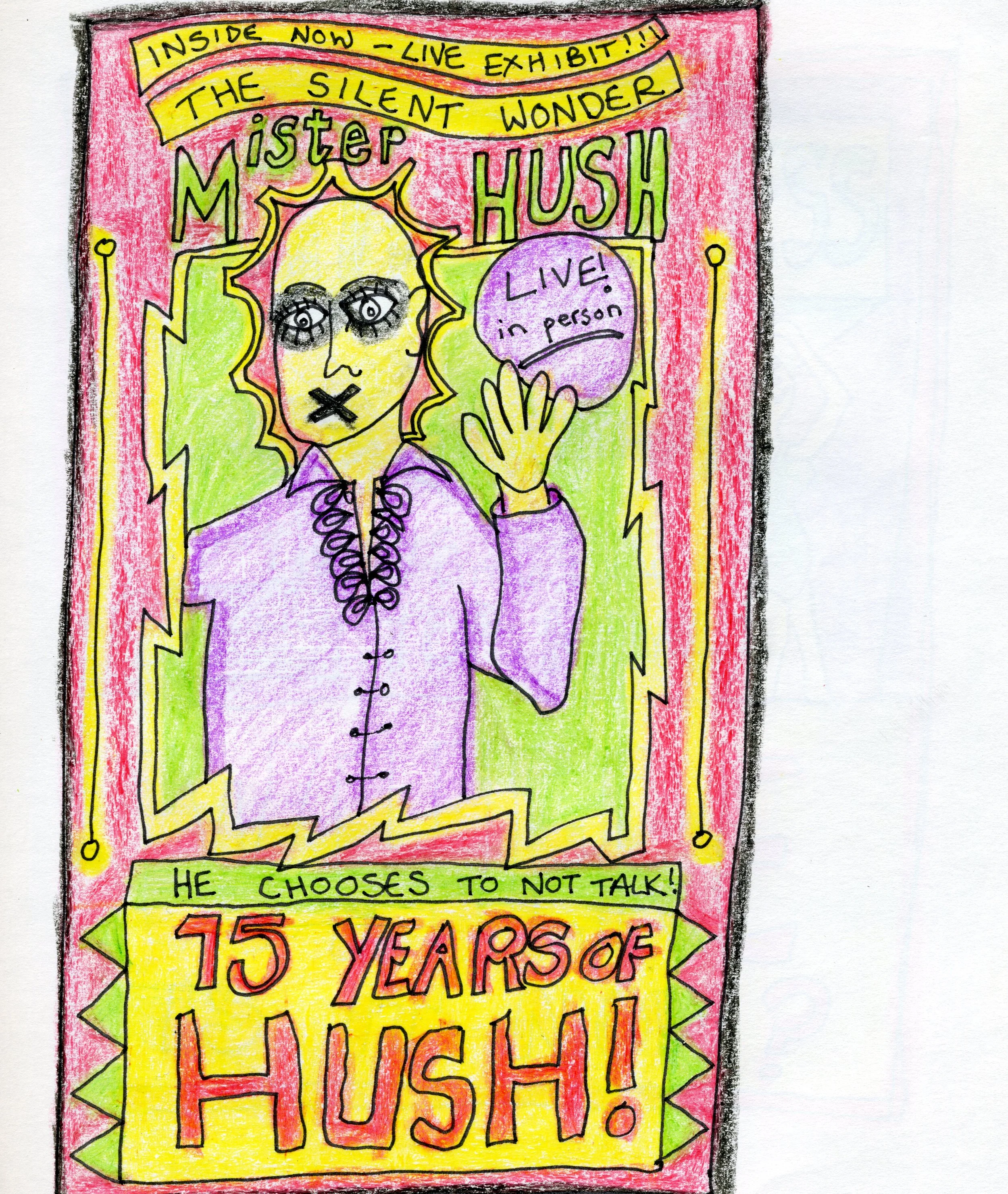
Geek explored cultural and sexual anxieties, critiquing whiteness and nationalism through a range of queer perspectives. In early circuses and fairs, ‘geeks’ were outcasts known for acts considered deviant, including biting the heads off live chickens. Unlike ‘freaks’, whose difference was often defined by physical characteristics and exploited as spectacle, geeks were defined by what they did. This distinction offered a potent metaphor for the queer experience.
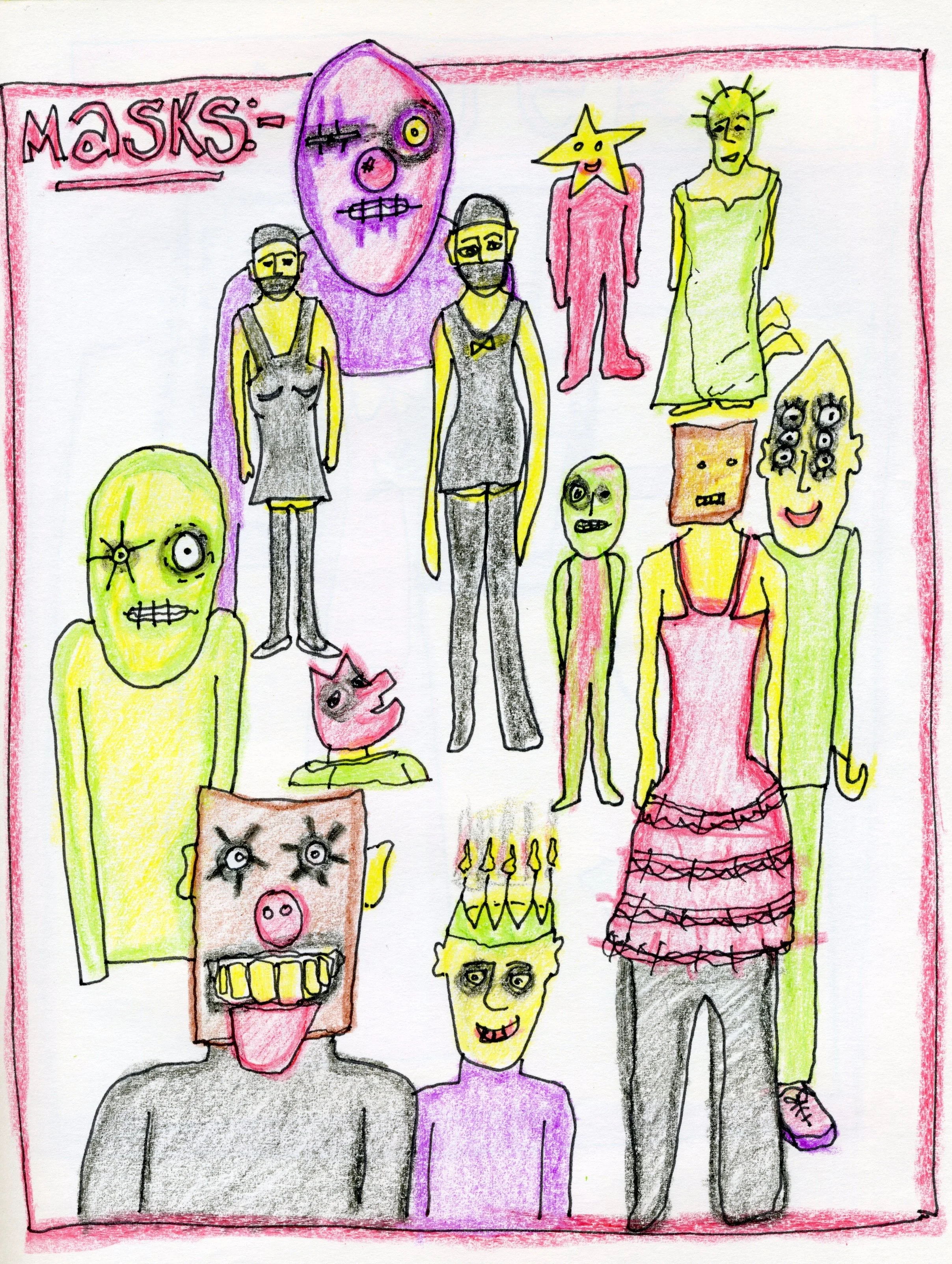
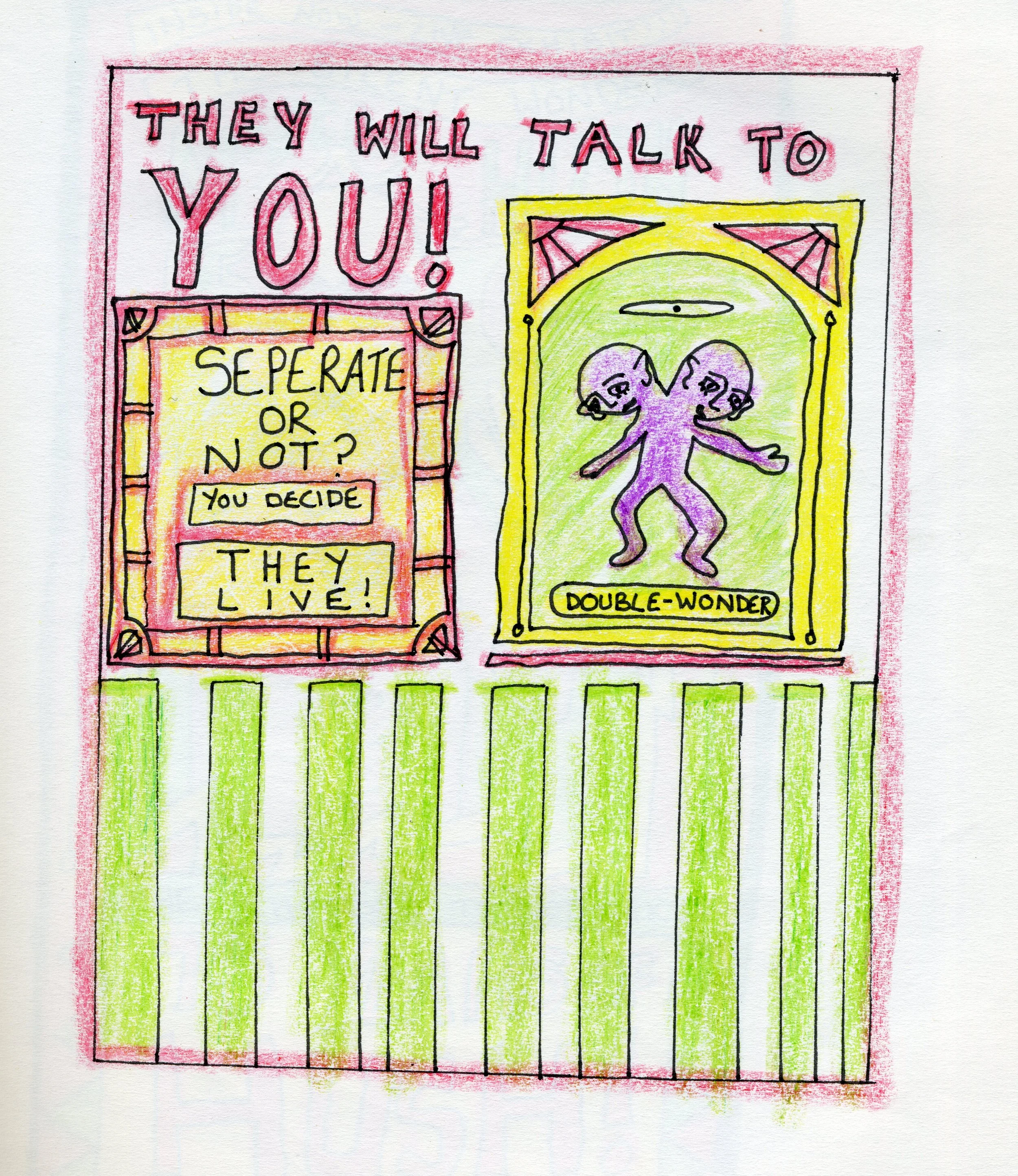
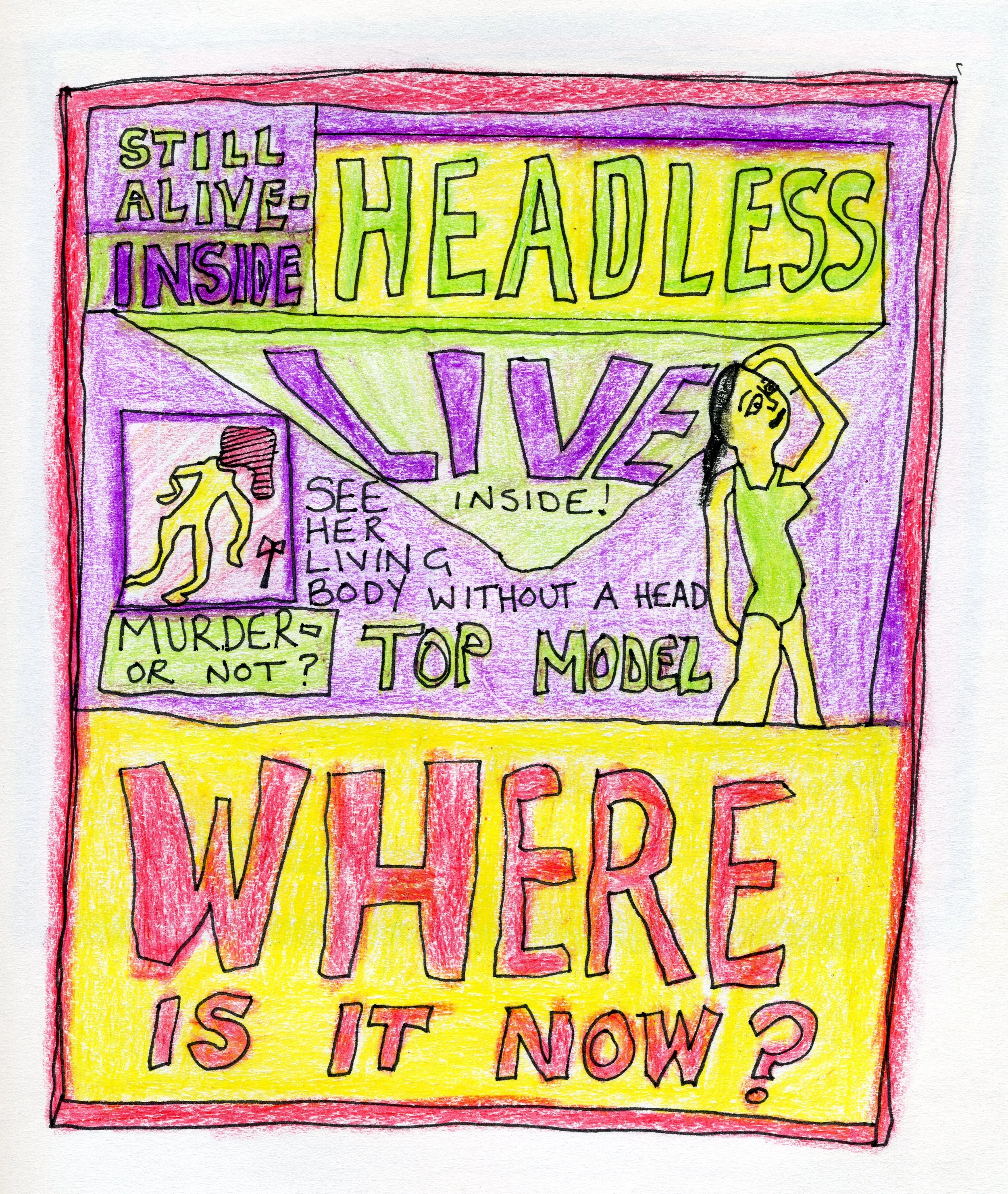
Made for middle-scale theatre spaces, audiences entered Geek through a sideshow. A small maze of funhouse mirrors distorted and altered their reflections on the way in, while displays of glass jars containing sex worker advertising and photographs taken by Pacitti at Coney Island offered further provocations. An audio recording promised the chance to see a two-headed baby. These tantalising glimpses created a world of spectacle and curiosity designed to lure audiences inside. At the end of the sideshow, everyone was given a free bag of popcorn before being shown to their seats.
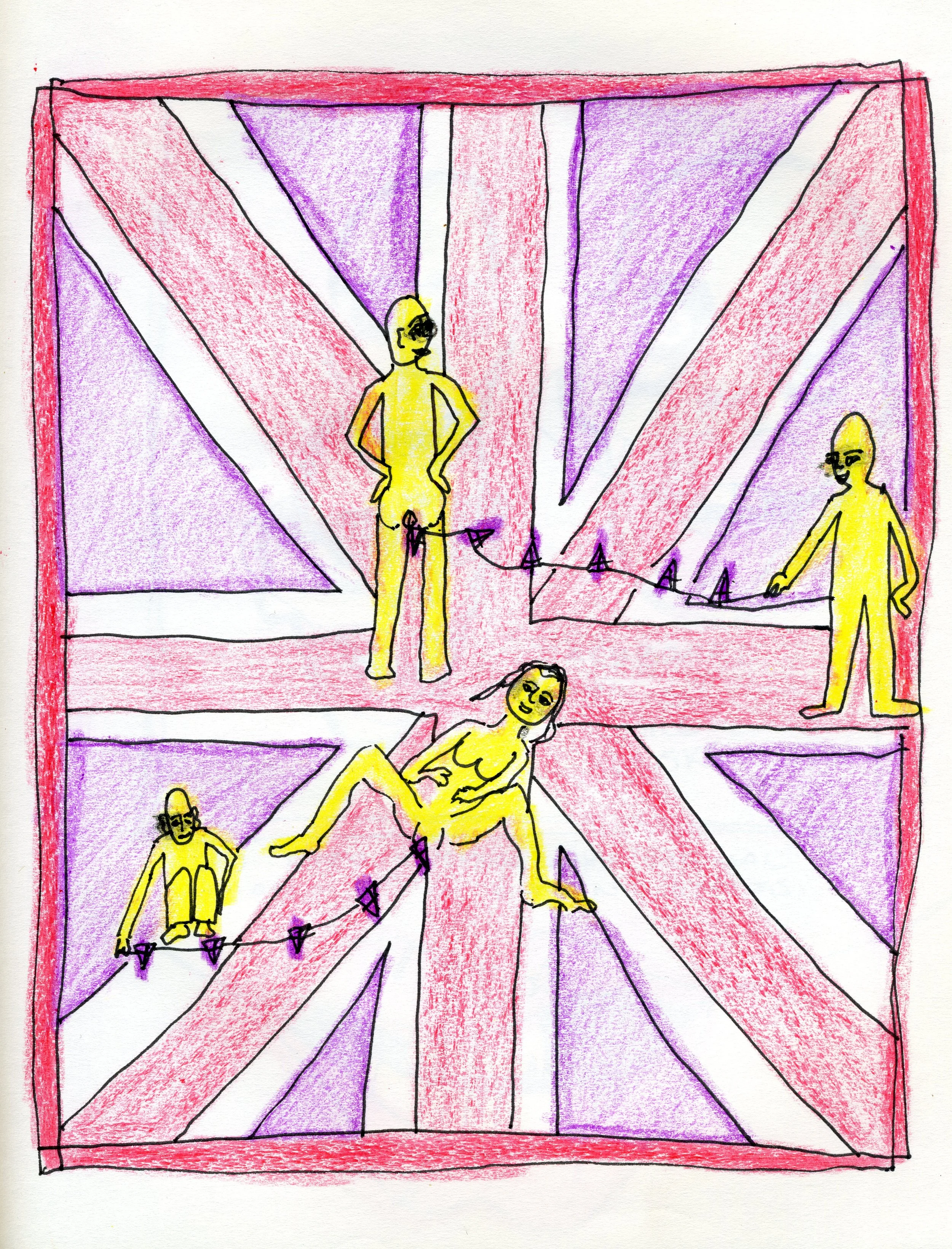
Onstage, Geek was contained within a large ex-army tent, its front lifted by pulleys at the start of the work. Inside, performer Marisa Carnesky stood to attention to the strains of God Save the Queen, saluted, then pulled a length of Union Jack bunting from her vagina. Something internal and complex was brought out into the open, where it could then be examined.
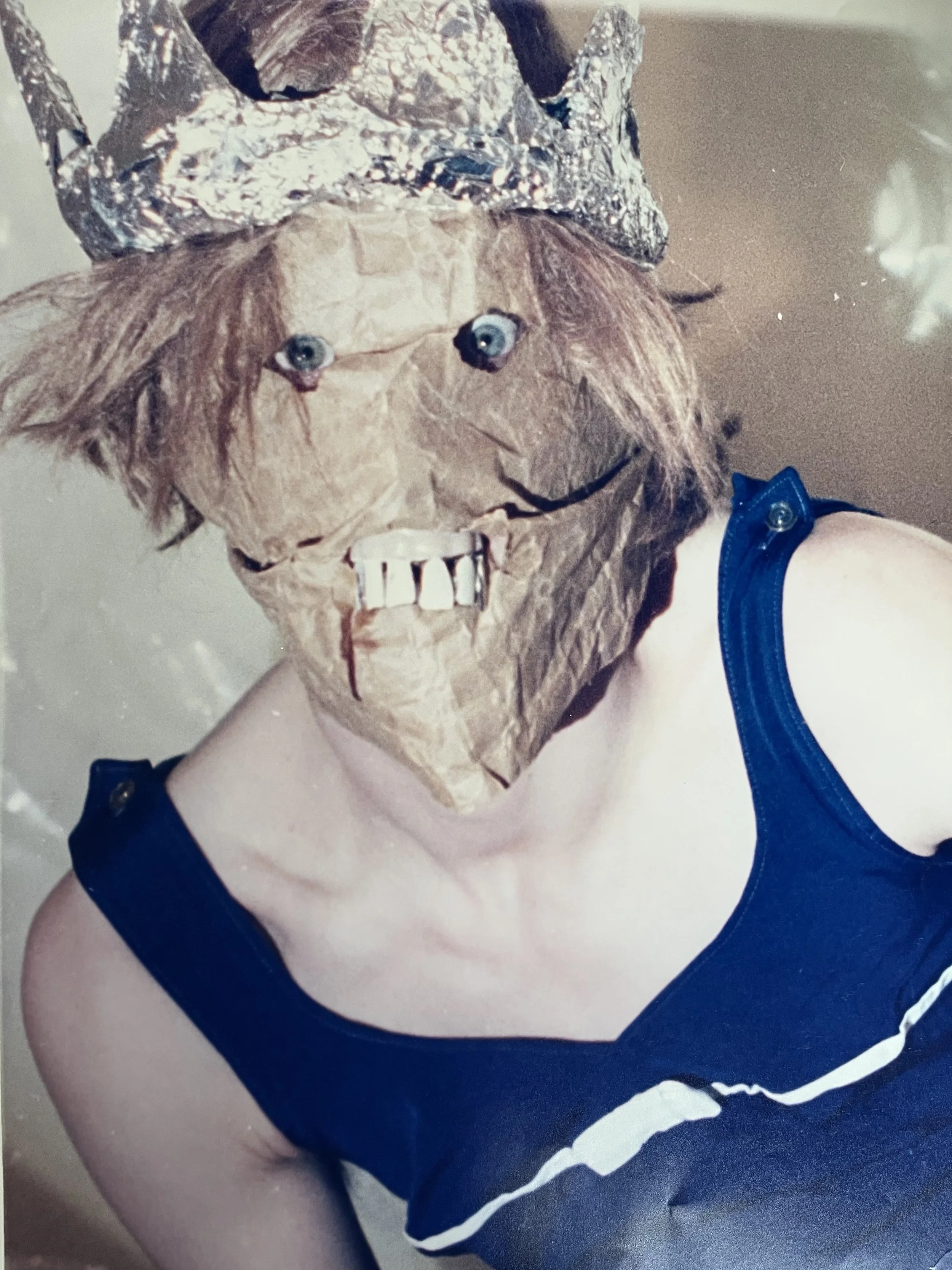
Geek revelled in plentiful costume changes, frightening masks, stories of adult babies and snake charming. The four performers took turns channelling a fifth presence onstage: Crystal Palace, identified by a red sequined dress and blonde wig. Raw eggs and sliced white bread were eaten and vomited; a glass bowl of maggots placed on an overhead projector illuminated their movement as they twitched across the tent, while the constant rumble of thunder underpinned Jerusalem, Land of Hope and Glory and the voice of Charles Manson:
‘These children who come at you with knives,
they’re your children.
You made them.’
CONTROVERSY
One afternoon, early in the life of Geek, Robert received an unexpected phone call at home.
“Hi, I’m Shirley. I’m ringing about Robert Pacitti’s show Geek, which sounds very interesting. I’m looking to find out more as I’d like to present it. May I speak to Robert’s agent, please?”
What happened next happened quickly. It was the day before Geek was due to tour to Nottingham, following a successful run in Glasgow and a strong premiere at the ICA. From Nottingham, the show was heading straight back to London for a run at the Royal Court Theatre.
Robert describes what happened next in this extract from his memoir, Abracadabra:
‘So here we the next day, driving to Nottingham in our large white hire van, the set, props and cast of Geek - me, Helen Paris, Kit Green, and Marisa Carnesky, accompanied by our ace techie Emma Wilson, plus Phil Collins who is a pal that’s come along for the ride because he likes Geek (and who goes on to become the brilliantly successful visual artist also called Phil Collins). I can’t remember if it is before we set out or whilst we are on our way - did we have mobile phones in 1995? I don’t think so you know - anyway somehow we hear that Geek has hit the front page of the local newspaper in Nottingham, and that ‘it’s causing a bit of a hoo-ha, but come anyway as we are sure it’ll all be fine’. It isn’t fine. As we drive into Nottingham we start to notice newspaper advertising boards around the city carrying today’s local headline: FURY OVER UNION FLAG SEX SHOW!
Oh, that’s us. At first we laugh, it feels quite exciting, although also plainly ridiculous. But it quickly becomes apparent that there is nothing to chuckle about here, that actually this situation is about to become very serious indeed. It turns out that Geek - our beautiful, carefully crafted meditation on nationalism and sexual otherness - has been banned for ‘licentious behaviour and public disorder’, the first time that rule has been invoked since Howard Brenton got it in the neck 15 years before for Romans in Britain. Geek includes scenes of Union Jack flags being pulled from inside performers bodies, to foreground issues around internalised nationalism. The Nottingham Evening Post (owned by the Daily Mail) runs a three day front page headline calling for Geek to be banned. It turns out ‘Shirley’ was a journalist from the newspaper and had somehow got my home phone number. When she called under the guise of being a potential future presenter, I had no reason to doubt her for telling me that, and so we had quite a chat. As a result I am quoted directly in the paper speaking about the show - and my family - in enough detail that the Post spins three days worth of articles out of it. A demonstration by war veterans is organised outside the venue to prevent us having access, there is talk of skinheads from Leicester coming over to get involved and, most alarmingly, I receive death threats. It would be farcical if it wasn’t so unnerving.’
Later on in Abracadabra Robert writes:
‘As I pace my hotel room, where I have been told to stay for the time being as it isn’t safe for me outside the theatre - because we never actually make it inside the theatre - the doors are physically barred to us - I take a range of phone calls. Stella Hall and Bill Gee are both part of the team presenting Barclays New Stages in London and Nottingham, although nothing to do with the bank. They are both very supportive and I think can tell I’m feeling increasingly alarmed. It really isn’t a great time. Then Ruth MacKenzie gives her very public support to Geek, which is significant as she’s Artistic Director of the Nottingham Playhouse, so is a powerful voice locally and nationally. But then I get a call from the person I have been dealing with for a few months who is the intermediary with Barclays - who I always think seems like she might be a Sloane Ranger. “Keep the money,” she says, “but from now on do not mention Barclays Bank in relation to this project again in any way. If you do, there will be consequences.” And she hangs up. This from a woman who has very comfortable offices in a smart part of West London, who has harangued me from all angles in recent weeks about how many millimetres larger she wants the Barclays logo on all our homemade show publicity, and who is now essentially threatening me as I am holed up and panicked alone in a hotel room. Some people working in the arts, I tell you.‘
OUTRIGHT
In June 1995, the regional newspaper Outright, a publication for ‘gays, lesbians and bisexuals in central England’, made the banning of Geek its headline story. The paper also published extracts from a letter written by Mick Wallis, Lecturer in Drama at Loughborough University, to the Vice Chancellor of Nottingham Trent University, raising a number of important questions about the decision.
Robert never met Mick, but has always been grateful for his support:
‘Dear Vice Chancellor,
It was with shock and dismay that I learned this morning of the University's decision to cancel tonight's performance of Geek at The Powerhouse, which was part of the Barclay’s New Stages Season.
Perhaps you could confirm my understanding that the performance was cancelled on the instruction of your Deputy Vice Chancellor, whose attention had been drawn to recent press coverage of the show in the Nottingham Evening Post.
My further understanding is that the given rationale for the cancellation was fear of transgressing the Licensing Act.
While it is clearly the proper duty of any venue and of public bodies such as yours to uphold the law, the particular circumstances of this case raise very important questions.
The show in question ran without problem at the ICA, and is scheduled for performances at the Royal Court. It was programmed by Barclay’s New Stages, in collaboration with academic staff within our own institution, East Midlands Arts (of which you are the Chair, I believe), and Nottinghamshire County Council. The decision to deny performance facilities for the show was made by a senior academic manager in your institution, without - to my knowledge - any attempt at consultation with any of these agencies, internal or external.
This itself would be cause for concern. But the circumstances in which the decision was made are cause for much deeper concern. As you will be aware, the Nottingham Evening Post ran a campaign which linked one moment in the show (a woman producing Union Jack bunting from her vagina) with the failure of Nottingham City Council to fly the Union Jack on VE Day. A phone-in engineered by the newspaper solicited 1,000 calls, 84 percent of which were in favour of the show being banned. I understand that these were the direct circumstances that caused your University to ban the show.
You must surely be aware that by choosing my medium carefully, I could run a campaign and then a phone-in, by which I could engineer an 80 percent response calling for the closure of the Nottingham Evening Post. I would not expect you to support its closure. Equally, a serious right-wing organisation could very conceivably engineer a poll which called for a number of books in your University’s library to be burned. I trust you would expect me to oppose such an action being carried out.
If my understanding of events is correct, then this has been a very bad day for academic freedom, for democracy, and for art. It is appalling to consider that a British University might have responded to populist tub-thumping by a newspaper renowned for its political campaigning in such a knee-jerk fashion.
I am writing not only as a member of a disappointed theatre-going public, and not only as someone who holds the traditions of free speech in this country dear - traditions that my parents’ generation fought so bravely to maintain. I am also writing as a theatre academic in a neighbouring institution who shares the non-heterosexual orientation of the company who made Geek. (I take it that the real hostility to the show had as much to do with this as with anything.)
But if my understanding of the circumstances of its banning is correct, I ask you to do two things: First, consider carefully whether the national community can afford to have its hard-won liberties thrown so carelessly away. Second, ensure that such a situation never arises again.
I look forward to your reply.
Yours sincerely,
Mick Wallis, Lecturer in Drama, Loughborough University.’
Video, photographic, press, marketing and sketchbook documentation exists for this project and will be accessible, in due course, as part of the Robert Pacitti Archive held by the Theatre Collection at the University of Bristol.
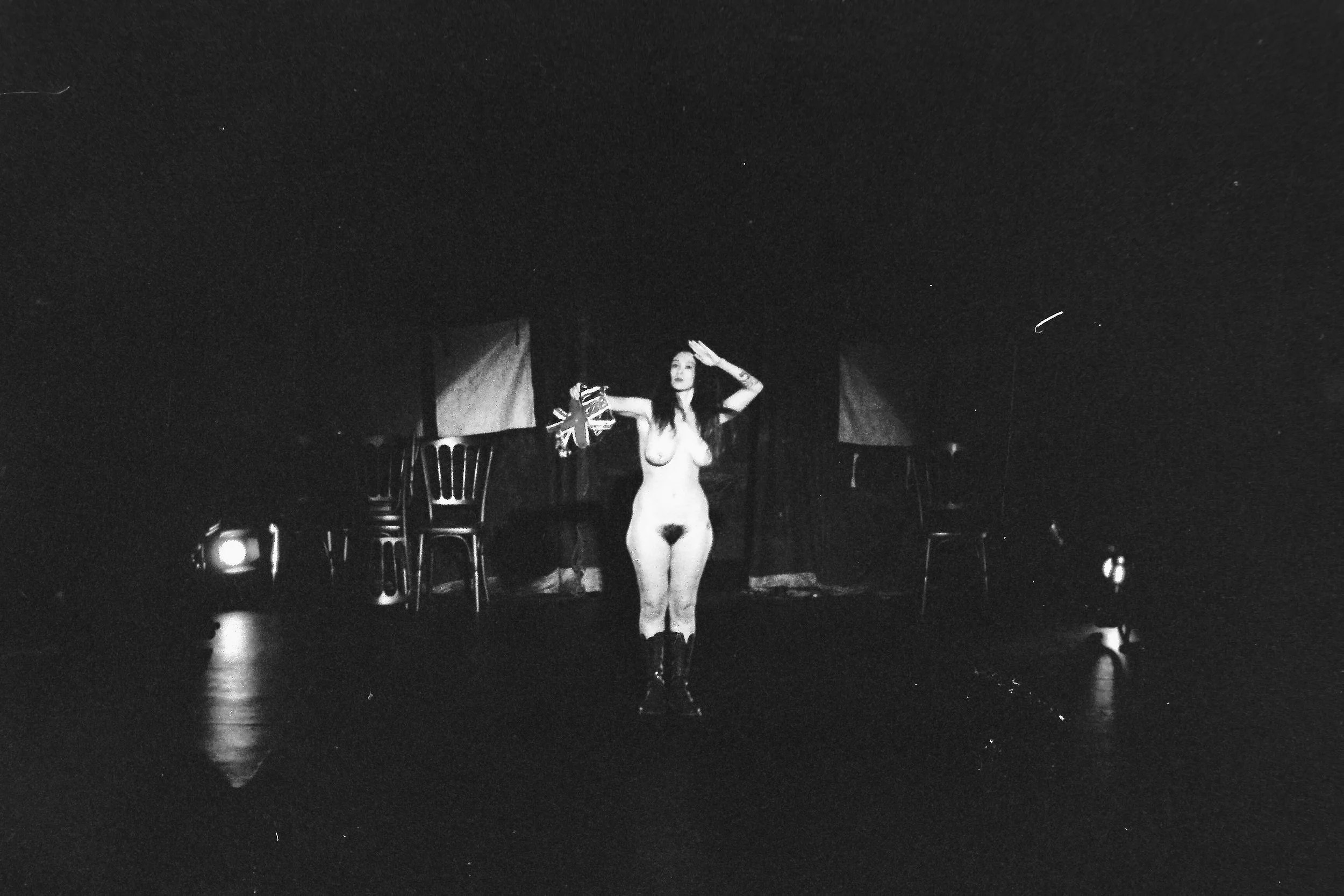
Marisa Carnesky in Geek (1994). Photo by Deborah Sibbald.
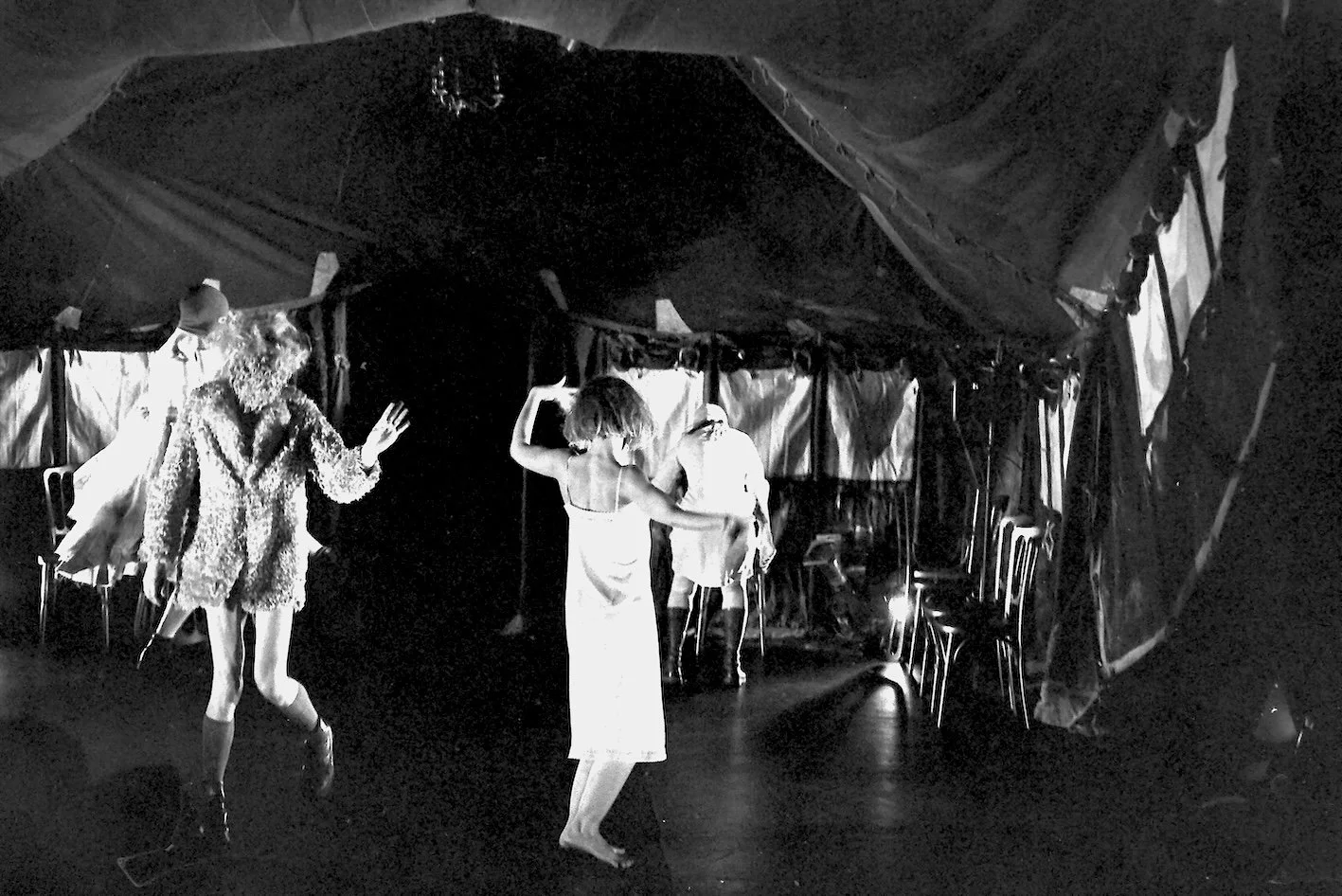
Opening dance, Geek (1994). Photo by Deborah Sibbald.
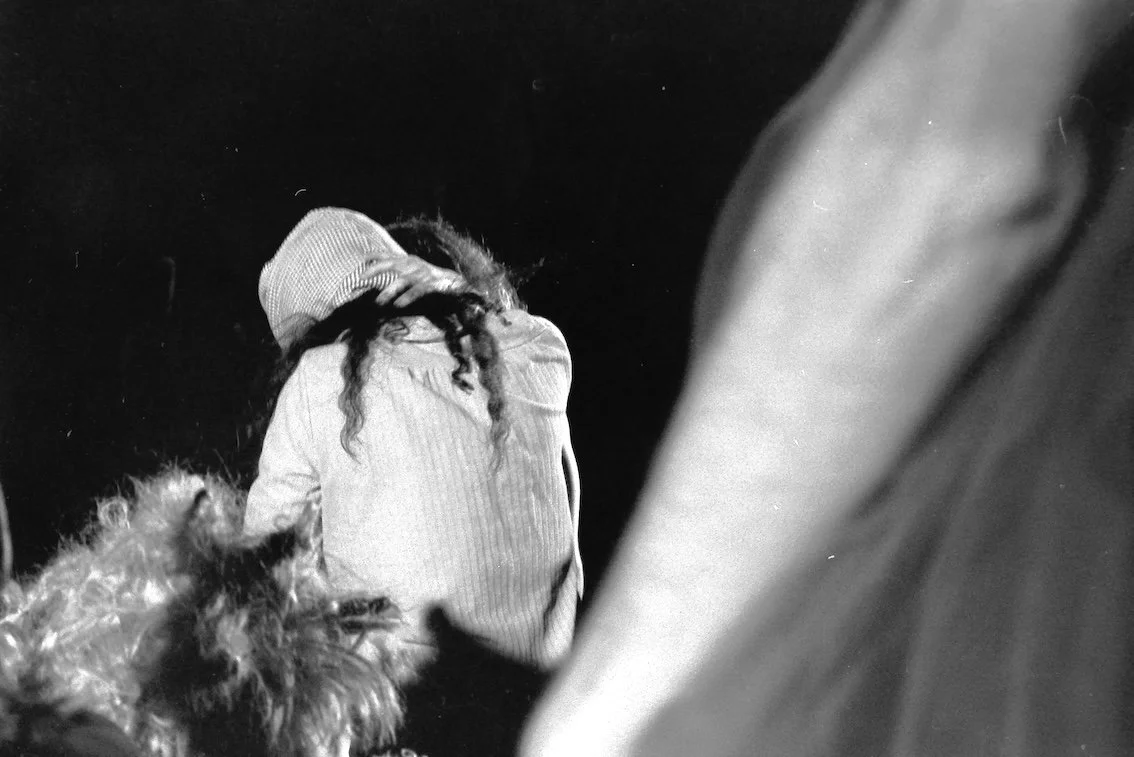
Marisa Carnesky in Geek (1994). Photo by Deborah Sibbald.
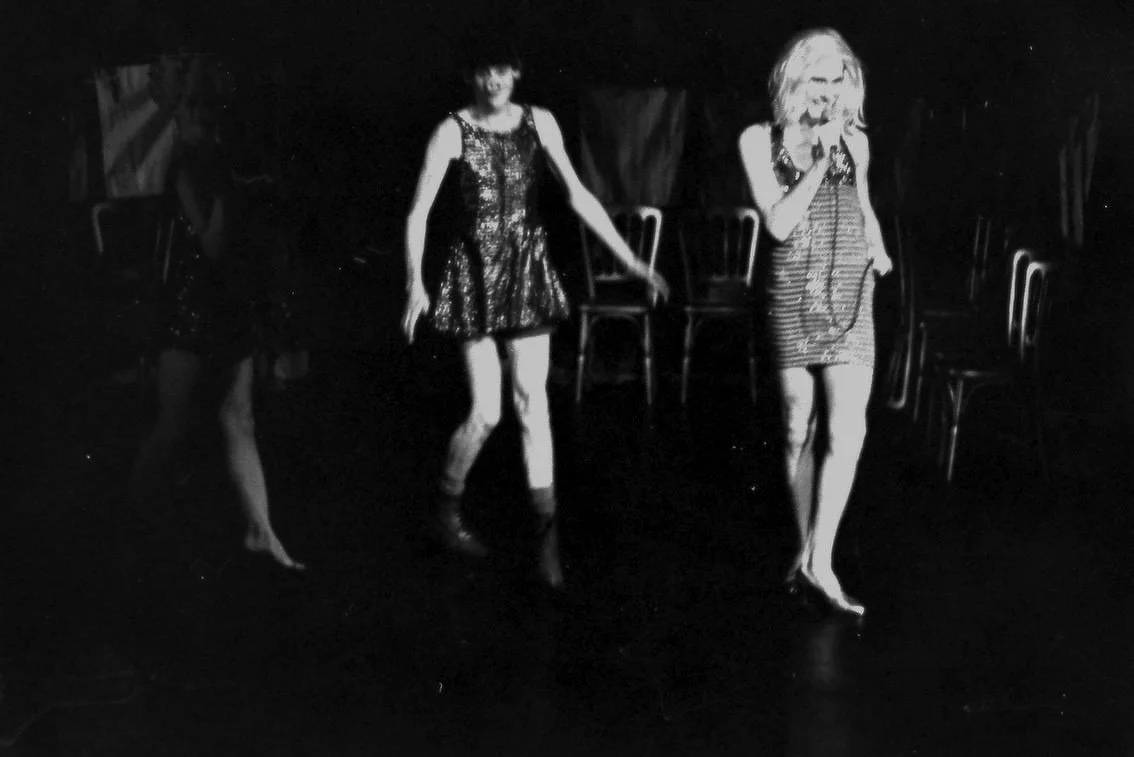
Robert Pacitti and Kit Green in Geek (1994). Photo by Deborah Sibbald.
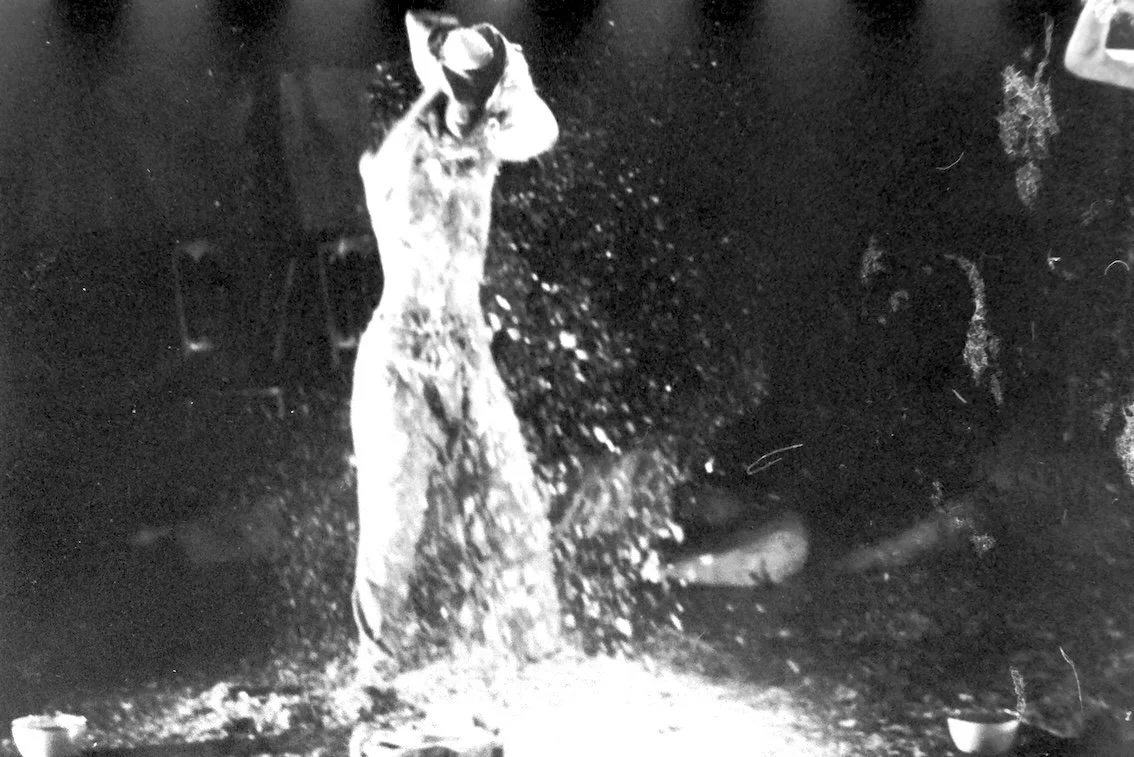
Helen Paris in Geek (1994). Photo by Deborah Sibbald.
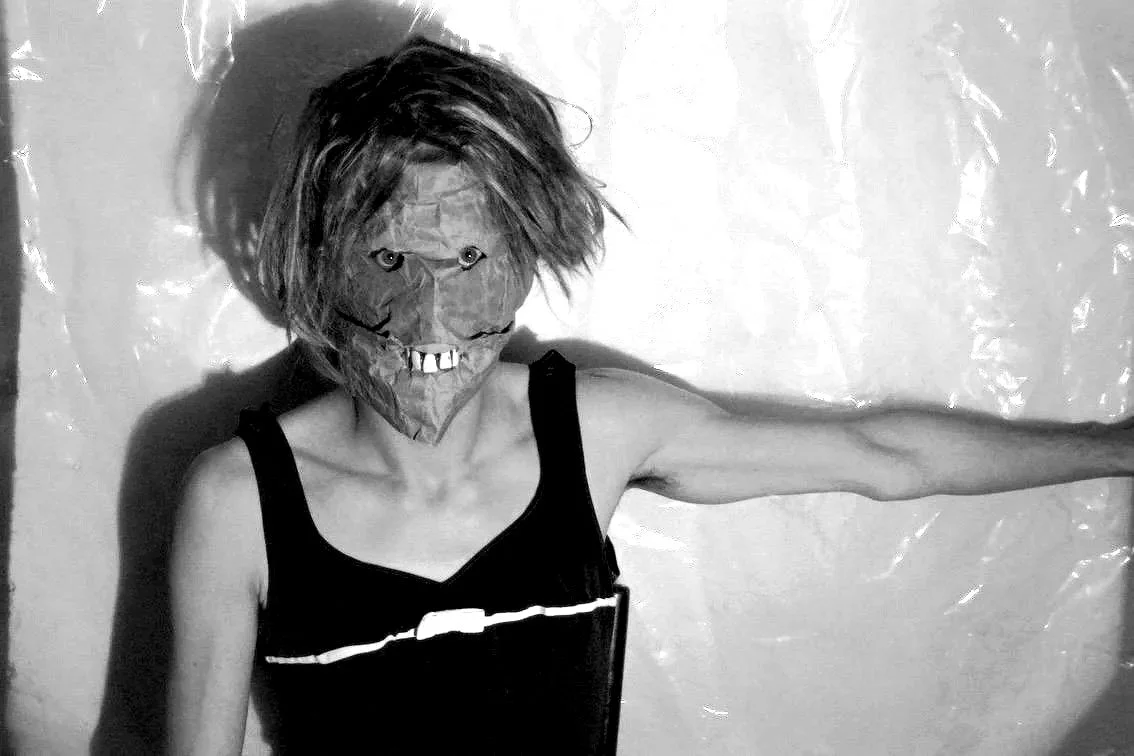
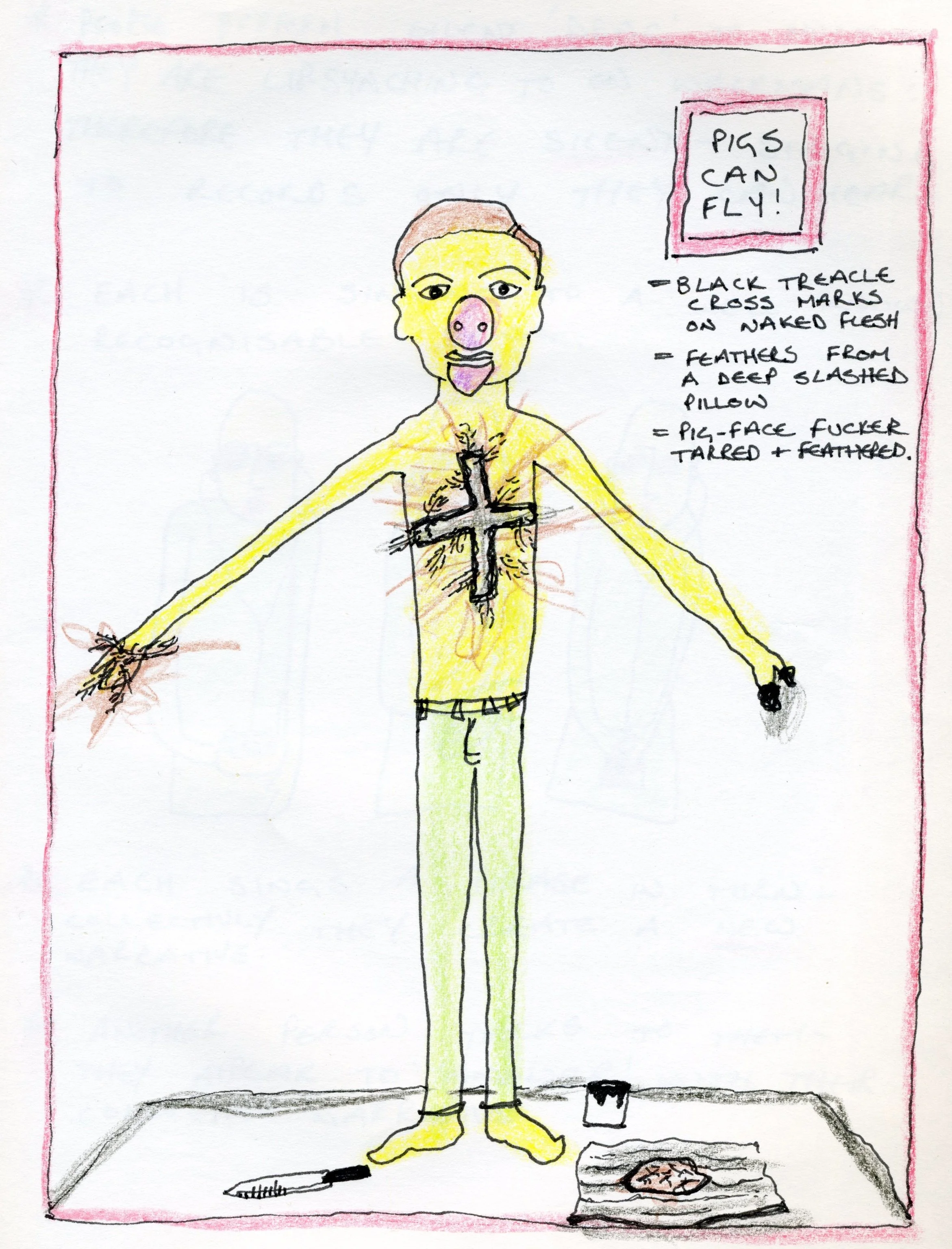
Creating Geek (1994). Pre-production photo by Deborah Sibbald.
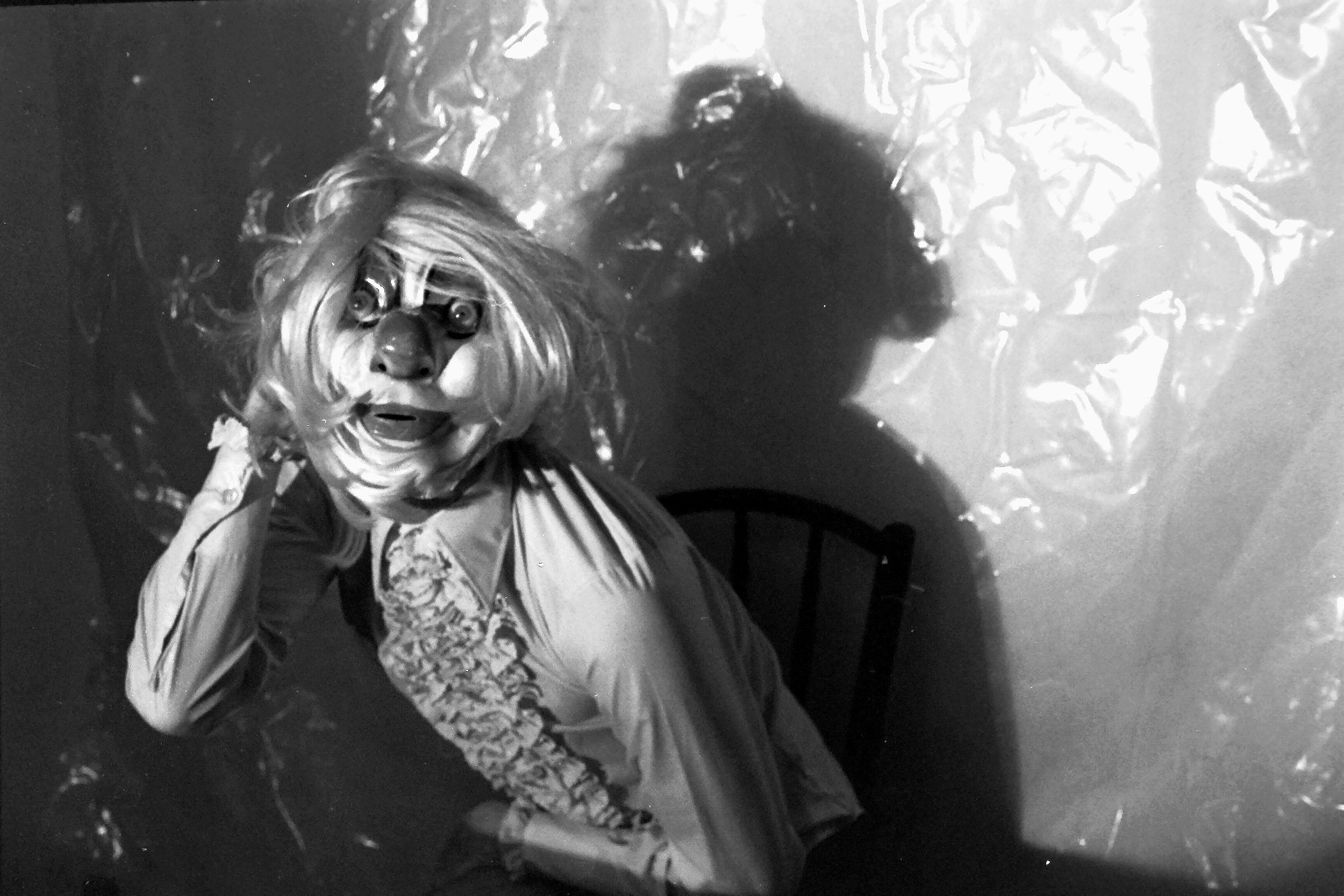
Creating Geek (1994). Pre-production photo by Deborah Sibbald.
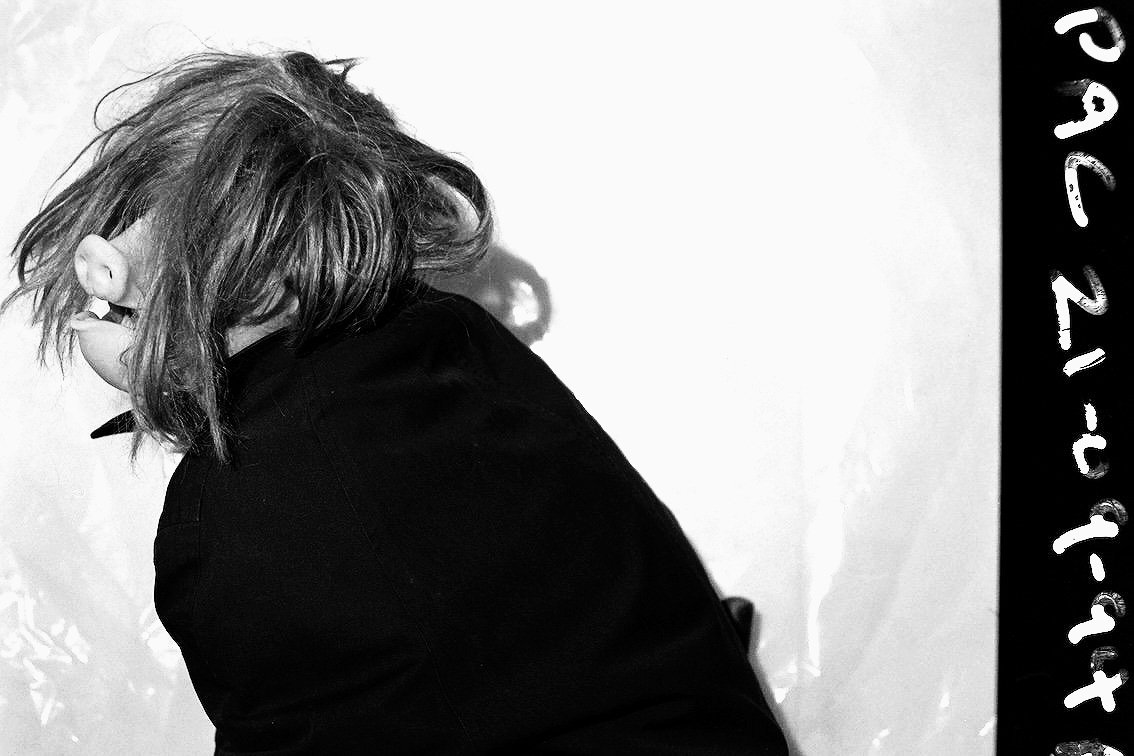
Creating Geek (1994). Pre-production photo by Deborah Sibbald.
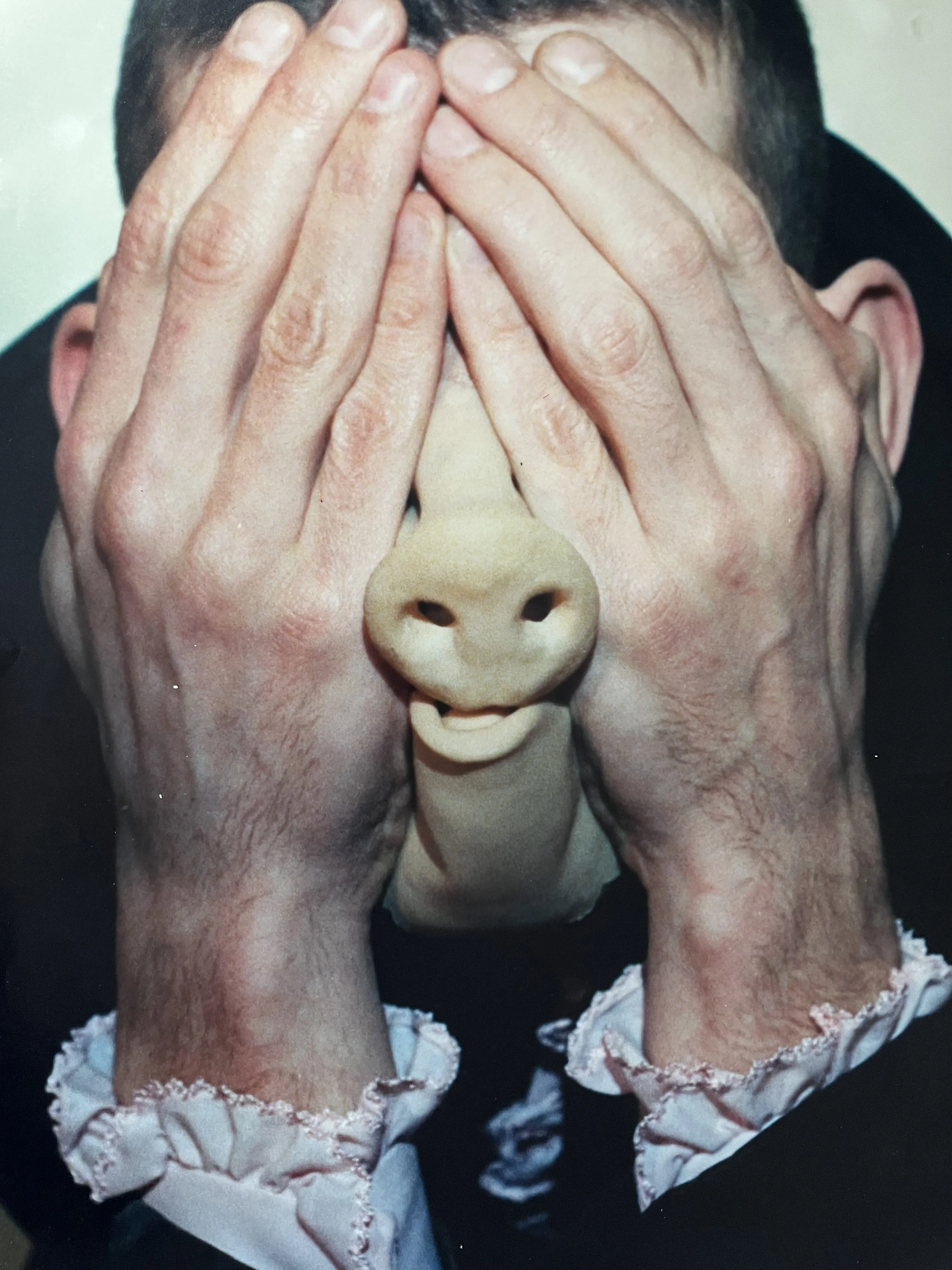
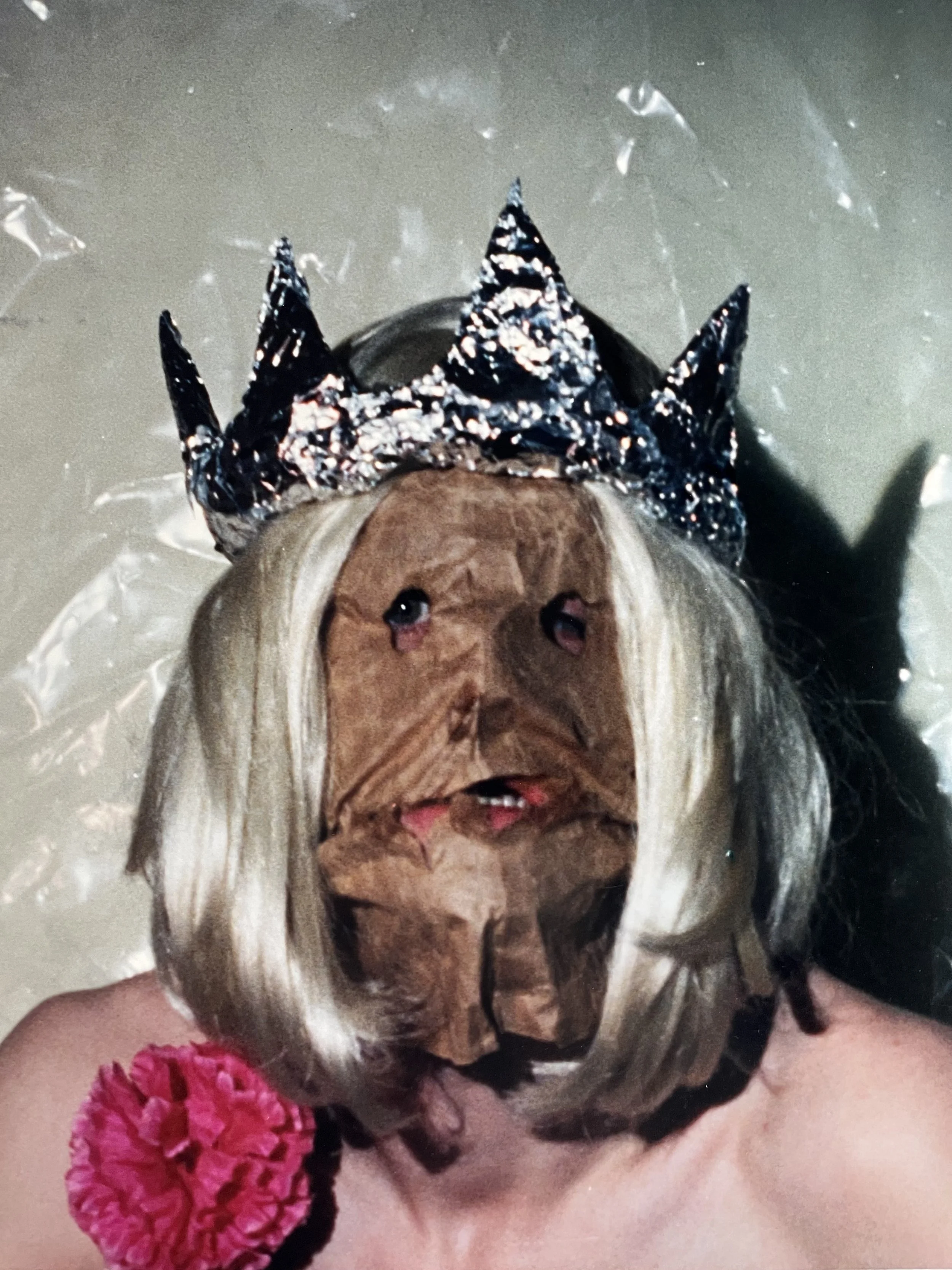
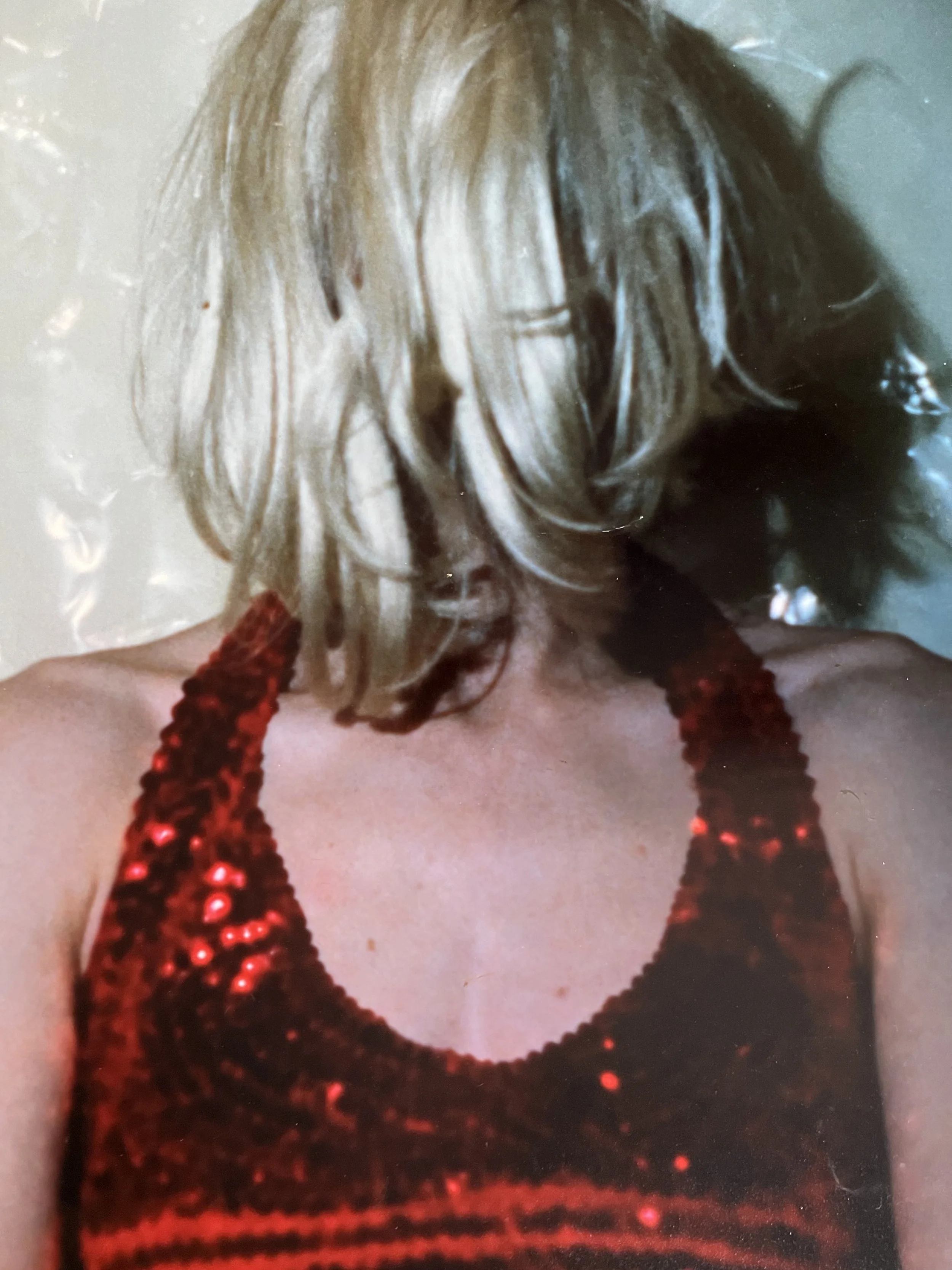
CREDITS
Premiere: 1994
Place: ICA, London
Duration: 70 minutes
Conceived, researched, directed: Robert Pacitti
Co-devised, co- written, performed: Helen Paris, Kit Green, Marisa Carnesky, Robert Pacitti
Featuring: Crystal Palace
Music: Breathless
Lighting and sound: Emma Wilson, Tom Castle
Stage and Sideshow design: Robert Pacitti
Funding: ICA Ron Vawter Commission; Barclays New Stages Award
Touring: Institute of Contemporary Arts, London; Centre for Contemporary Arts, Glasgow; Royal Court Theatre, London.